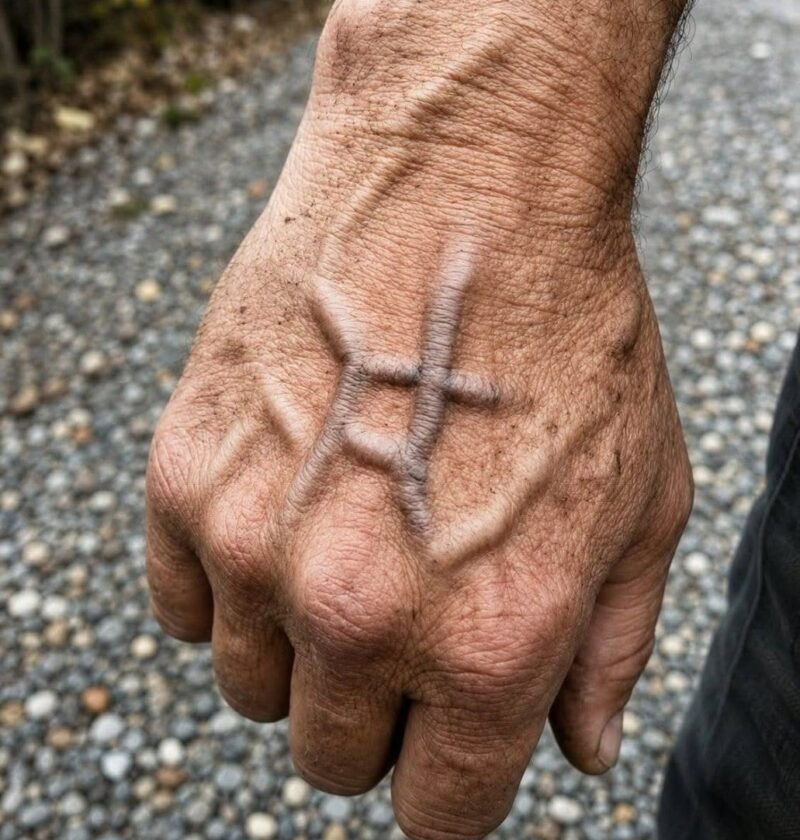
If you’re asking what visible veins actually mean, they’re usually not a sign of one specific condition. How prominent your veins look depends on several factors.
Why your veins may be visible
-
Lower body fat — Less tissue between the skin and veins can make them more noticeable, particularly on the hands, arms, shoulders, and legs.
-
Muscle development — More muscle can push superficial veins closer to the skin.
-
Exercise — During and shortly after exercise, increased blood flow and temporary muscle swelling can make veins “pop.”
-
Genetics — Some people naturally have more prominent superficial veins or thinner skin.
-
Heat — Warm temperatures cause blood vessels near the skin to widen, making veins more visible.
-
Dehydration — Temporary changes in fluid balance can make veins appear more prominent, although deliberately dehydrating yourself to make veins visible is unsafe.
-
Aging — Skin generally becomes thinner and loses some of its underlying tissue with age, making veins easier to see.
When visible veins deserve attention
Visible veins by themselves usually aren’t a sign of heart disease or another serious illness. However, seek medical advice if a vein becomes newly swollen, painful, red, warm, hard, or noticeably different from the other side.
Also seek urgent care for sudden swelling of an arm or leg accompanied by chest pain or shortness of breath, because those symptoms can occur with a blood clot.
So, if the phrase is “If you have visible veins, it means you are…”, the most accurate completion would be: “you may have lower body fat, more muscle, or naturally prominent veins.” It isn’t a reliable way to diagnose your health or fitness.