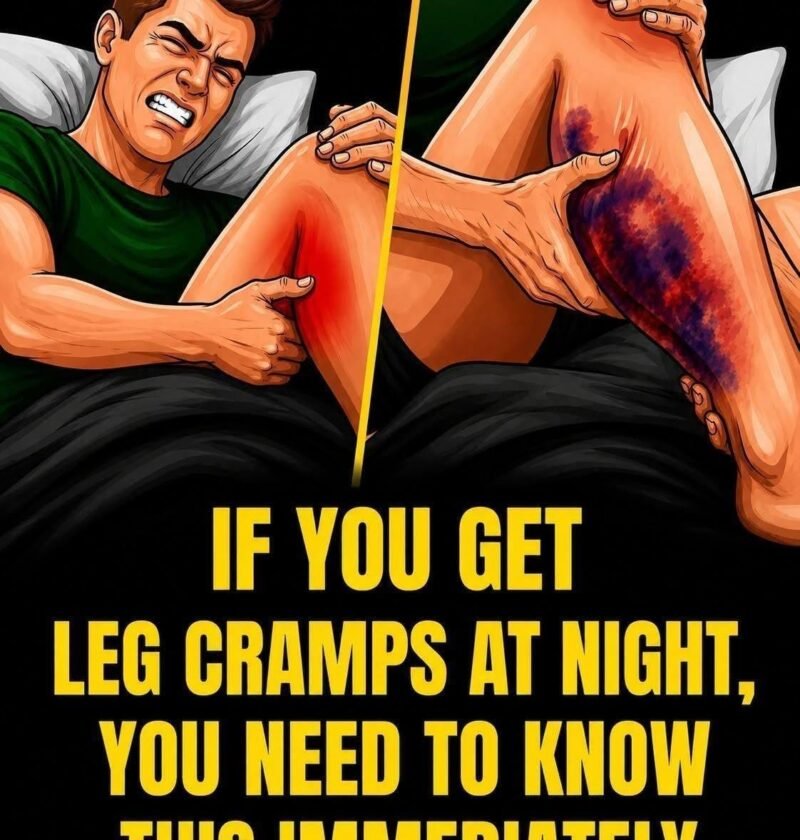
If you’re using this as a health headline, the word “immediately” is a bit alarmist. Nighttime leg cramps are common and are usually painful but harmless, although recurrent cramps can sometimes be related to medications or an underlying condition.
If you get leg cramps at night, know this
A sudden cramp often affects the calf or foot and can last from a few seconds to several minutes.
When a cramp happens:
- Gently stretch the muscle. For a calf cramp, straighten the leg and gently pull your toes toward you.
- Massage the cramped muscle while it relaxes.
- Stand up and walk carefully if you’re able to do so safely.
- Applying warmth can help relax a tight muscle; some people find cold helpful afterward if the muscle remains sore.
How to reduce recurring cramps
Regular calf and hamstring stretching, staying adequately hydrated, and gradually increasing exercise may help. Review your medications with a healthcare professional if cramps began after starting a new medicine—don’t stop prescribed medication on your own.
Despite popular advice, don’t automatically start taking magnesium or potassium supplements for nighttime cramps. Deficiency isn’t the cause of most ordinary leg cramps, and unnecessary supplementation can be harmful in some people.
When to get medical advice
Talk to a clinician if cramps are frequent, severe, disrupting your sleep, or accompanied by muscle weakness, numbness, swelling, or other new symptoms.
Urgent care is warranted for a new, painful, swollen, warm, or red leg, particularly if the swelling is on one side. If leg symptoms occur together with sudden chest pain or difficulty breathing, seek emergency care.
A good evidence-based headline would be:
Nighttime Leg Cramps: What to Do When They Strike—and When They Need Medical Attention