Absolutely—here’s a polished, engaging version you can use as an article or social-media post:
5 Appliances You Should Unplug When Not in Use
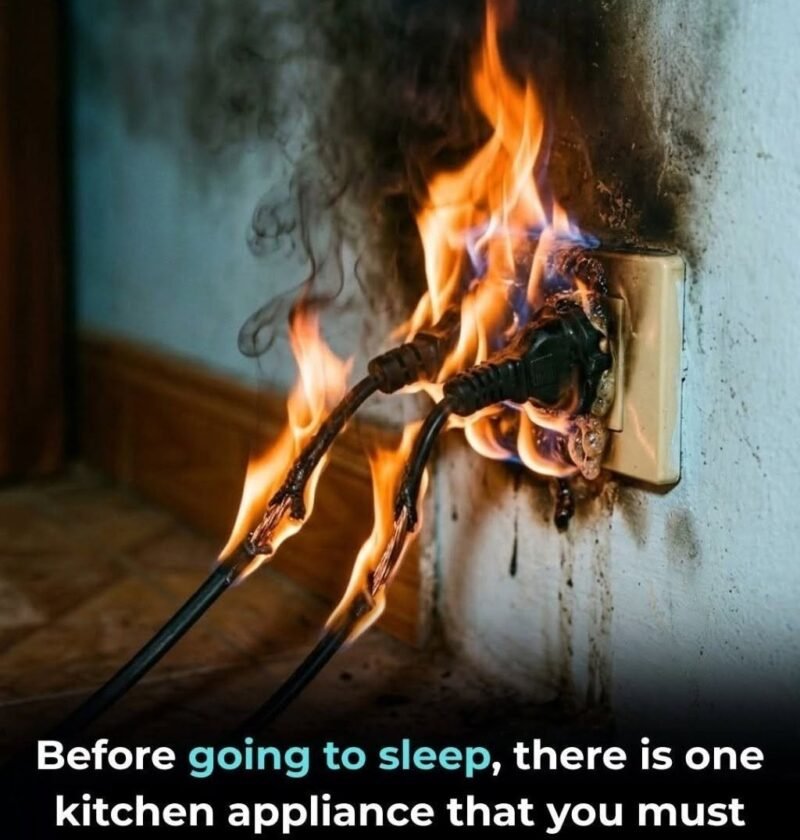
When you unplug an appliance after using it, you’re doing more than potentially saving a little electricity. You may also reduce unnecessary standby energy use, limit exposure to power surges, and reduce certain electrical risks.
Many modern devices continue to consume a small amount of electricity even when switched off. This is commonly called standby power or phantom power. While the amount used by an individual device is usually small, it can add up across an entire household.
Unplugging isn’t necessary for every appliance, though. Some devices are designed to remain connected continuously, and repeatedly unplugging them may be inconvenient or inappropriate.
Here are five household items worth considering.
1. Chargers and Power Adapters 🔌
Phone, tablet, laptop, and other chargers can consume a small amount of electricity when left plugged in without a device connected.
Unplug chargers you’re not using, especially if they’re old, damaged, unusually hot, or poorly made.
2. Small Kitchen Appliances ☕
Coffee makers, toasters, blenders, air fryers, and similar countertop appliances don’t usually need to remain plugged in when they’re not being used.
Unplugging them after use can also eliminate the possibility of an appliance malfunctioning while unattended.
3. Televisions and Entertainment Equipment 📺
Many TVs, game consoles, speakers, and streaming devices remain in standby mode when switched off. Some continue communicating with networks or waiting for remote commands.
If you don’t need instant-on features, consider switching these devices off at a power strip when you’re finished using them.
4. Computers and Accessories 💻
Desktop computers, monitors, printers, speakers, and other peripherals can continue drawing standby power after they’re turned off.
When you’re leaving home for an extended period, shutting down and disconnecting equipment that doesn’t need to remain powered can be a sensible precaution.
5. Devices You Rarely Use 🏠
Think about appliances that sit unused for days or weeks—such as spare chargers, seasonal decorations, guest-room electronics, or rarely used kitchen gadgets.
If a device doesn’t need continuous power, unplugging it when it’s not needed can eliminate its standby consumption.
⚡ What About Storms and Power Surges?
During a severe thunderstorm or when significant power disturbances are expected, unplugging sensitive electronics can provide an additional layer of protection. A surge protector can also help protect equipment, although no ordinary surge protector can guarantee protection from every electrical event, including a direct lightning strike.
🏡 Simple Ways to Make Your Home Safer
- Replace frayed or damaged power cords.
- Never use a cord or plug that becomes unusually hot.
- Avoid overloading electrical outlets and power strips.
- Keep electrical equipment away from water.
- Don’t run extension cords under rugs or where they can be damaged.
- Use properly rated power strips and extension cords.
- Keep flammable materials away from heaters and other heat-producing appliances.
- Have persistent electrical problems inspected by a qualified electrician.
The Bottom Line
You don’t need to unplug every appliance in your home every time you leave the room. Focus on unused devices, damaged equipment, heat-producing appliances, and electronics that don’t need continuous power.
A few simple habits can reduce standby electricity use and, more importantly, help you notice electrical problems before they become serious.