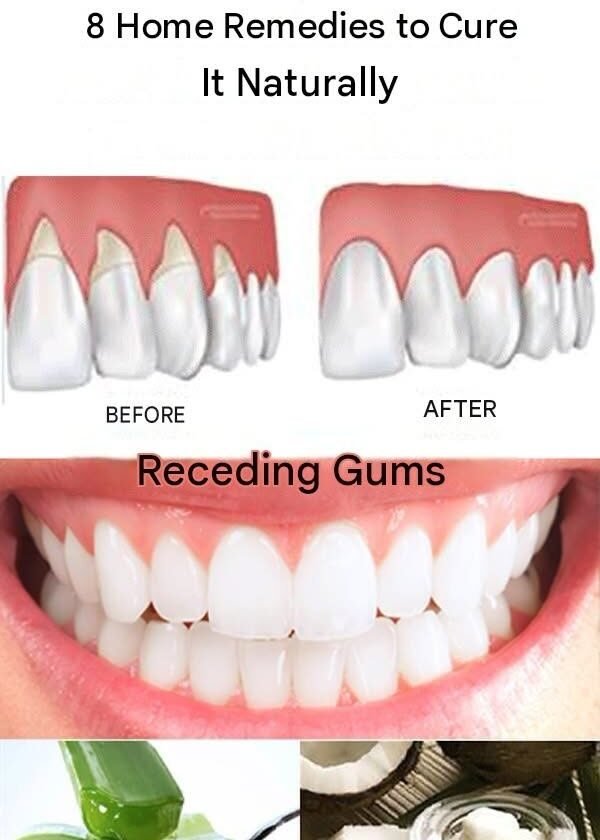
The phrase “gum disease: the silent killer” is sensationalized, and home remedies cannot reliably cure gum disease. However, gum disease is common and can become serious if untreated. Early gum inflammation (gingivitis) can often be reversed with good oral hygiene; established periodontitis involves damage to the tissues and bone supporting the teeth and generally requires professional dental treatment.
8 things you can do at home
- Brush twice daily with fluoride toothpaste, using a soft-bristled toothbrush and gentle pressure.
- Clean between your teeth every day with floss or interdental brushes.
- Rinse with plain water after meals if brushing isn’t practical.
- Stop smoking or tobacco use—tobacco substantially increases the risk of gum disease and makes treatment less effective.
- Limit frequent sugary snacks and drinks, which promote plaque-related dental problems.
- Eat a balanced diet, including adequate protein, fruits, vegetables, and other nutrient-rich foods.
- Replace your toothbrush regularly, particularly when the bristles become worn.
- Don’t rely on DIY treatments such as undiluted hydrogen peroxide, bleach, aspirin placed on the gums, or concentrated essential oils. They can irritate or burn oral tissues.
When to see a dentist
Don’t wait for home remedies if you have persistent bleeding gums, swollen or painful gums, bad breath that doesn’t improve, receding gums, loose teeth, pus, or changes in how your teeth fit together. These can indicate periodontal disease requiring professional assessment and treatment.
And while gum disease has been associated with conditions such as cardiovascular disease and diabetes, calling it a “silent killer” can be misleading. The association does not mean that gum disease directly causes heart attacks or other systemic diseases.
If you tell me what your gums are doing (bleeding, swelling, pain, recession, bad breath, loose teeth, etc.), I can help you distinguish likely gingivitis from signs that need a dentist.