🌙 Don’t Ignore Leg Cramps at Night: Here’s What You Should Know
Waking up with a sudden, painful leg cramp can be frightening. Nighttime leg cramps are common, particularly in the calves, feet, and thighs, and they often last from a few seconds to several minutes.
Most aren’t dangerous, but frequent or severe cramps deserve attention.
🦵 What can cause nighttime cramps?
Several factors can contribute:
- Muscle fatigue or overuse
- Prolonged sitting or standing
- Tight or poorly conditioned muscles
- Dehydration
- Pregnancy
- Certain medications, including some diuretics and cholesterol-lowering medicines
- Nerve or circulation problems
- Age-related changes
Sometimes, no specific cause can be identified.
What to do when a cramp strikes
Try to gently stretch the affected muscle and massage it.
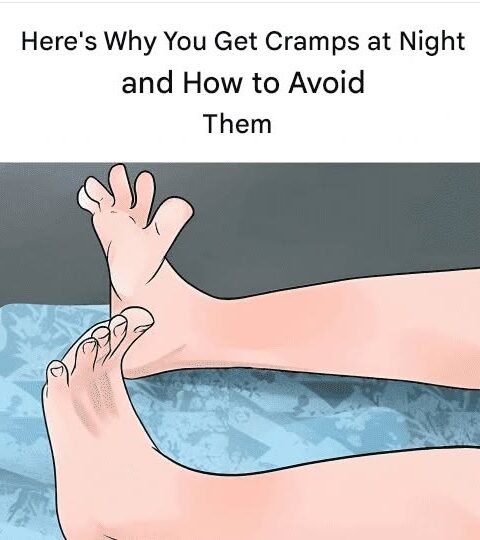
For a calf cramp, straighten your leg and gently pull your toes toward your face. If you’re able to stand safely, putting gentle weight on the affected leg may also help.
Don’t forcefully stretch or massage a severely painful muscle.
🌙 How to reduce cramps
- Stay adequately hydrated throughout the day.
- Gently stretch your calves before bedtime.
- Avoid suddenly increasing strenuous exercise.
- Keep your legs comfortably positioned while sleeping.
- Review your medications with a healthcare professional if cramps began after starting or changing a medicine.
⚠️ Don’t automatically take magnesium
Magnesium deficiency isn’t the explanation for every nighttime cramp, and supplements aren’t guaranteed to help people who aren’t deficient. High doses can cause diarrhea and can be dangerous in people with impaired kidney function.
🚨 When should you see a doctor?
Make an appointment if cramps are frequent, severe, getting worse, or regularly disturbing your sleep, particularly if you also have weakness, numbness, swelling, or persistent leg pain.
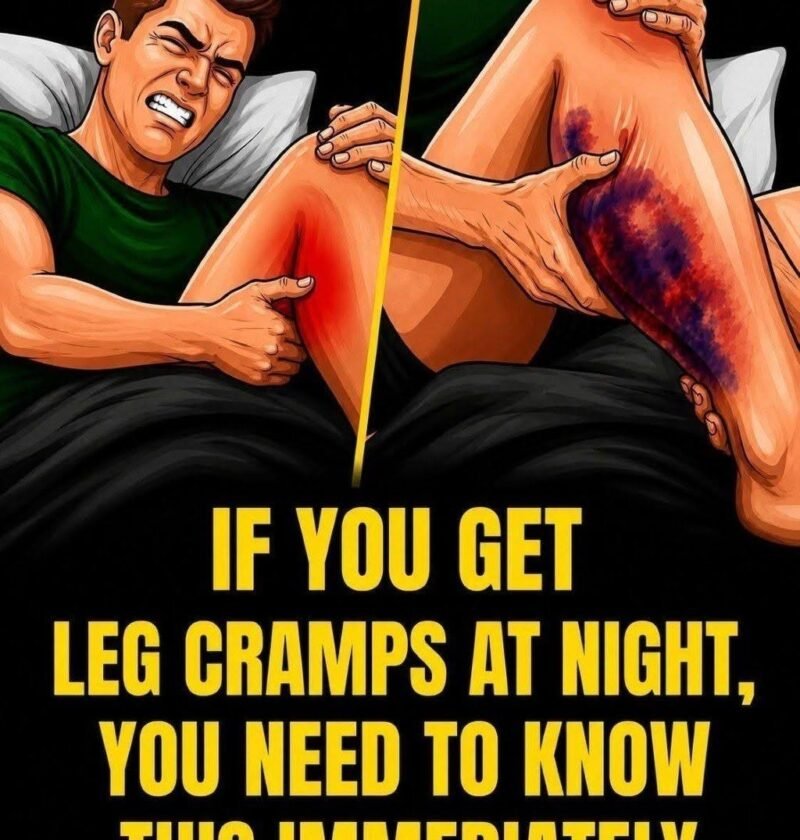
Seek urgent medical attention for sudden swelling and pain in one leg, especially if accompanied by chest pain or shortness of breath.
Nighttime cramps are often manageable, but recurring cramps are worth investigating rather than simply accepting them as a normal part of aging.