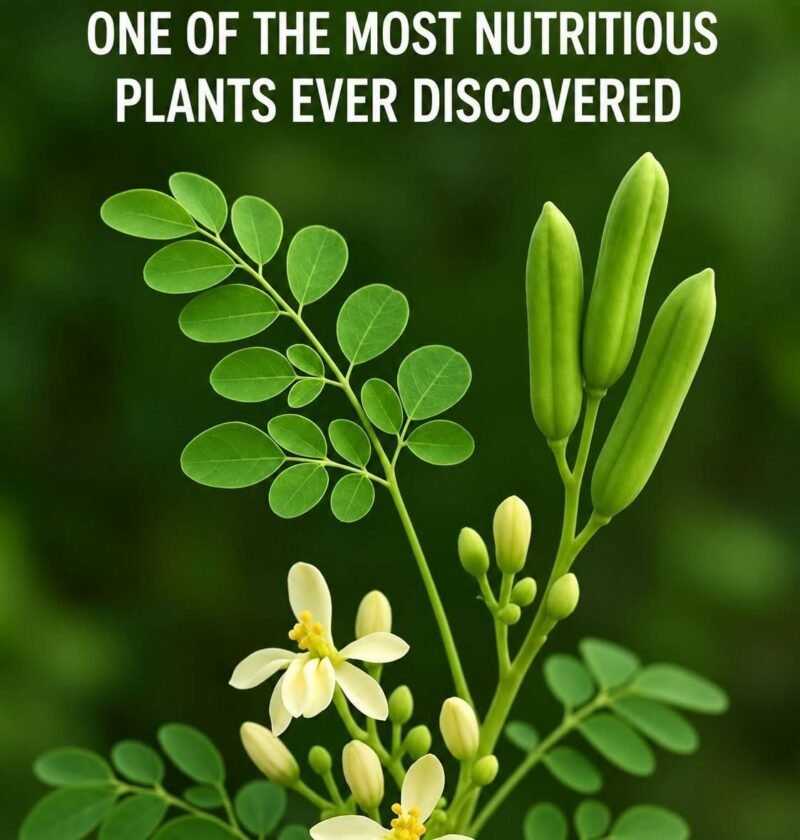
When a plant species becomes truly prolific, it typically shares a few key biological advantages:
-
Aggressive Propagation Strategies: Abundant plants often produce thousands of lightweight seeds dispersed by wind, animals, or water, or they spread rapidly underground via extensive root systems, rhizomes, or tubers. This ensures that even if individual specimens are removed, the population quickly regenerates.
-
Environmental Generalism: Unlike finicky or highly specialized species that require precise microclimates, abundant plants are generalists. They tolerate a wide range of soil pH, variable moisture levels, and fluctuations in sunlight, allowing them to thrive in disturbed soils, urban environments, and neglected corners.
-
Low Herbivore Pressure: Many prolific plants develop natural defenses—such as bitter compounds, tough fibrous leaves, chemical deterrents, or sharp thorns—that discourage local wildlife, insects, and herbivores from consuming them, giving them an unchecked competitive edge.
From a practical gardening and lifestyle perspective, dealing with an abundant plant can range from a wonderful opportunity to a relentless maintenance chore. For edible or medicinal plants (like stinging nettles, dandelions, mint, or purslane), abundance means an endless, free supply for culinary creations, teas, or natural remedies. For invasive or overly aggressive ornamental species, it requires careful containment, regular pruning, or targeted removal to prevent them from choking out surrounding flora.
If you have a particular plant in mind that is currently taking over a space or growing in remarkable abundance, share a few details about its appearance, leaves, or where it is popping up, and we can take a closer look at what makes it so prolific!