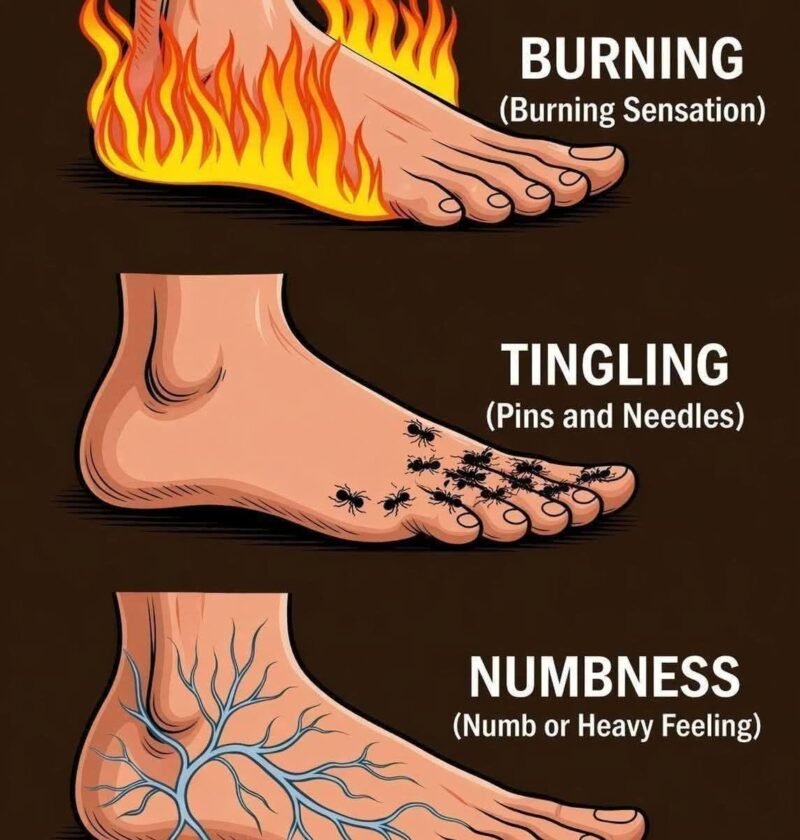
Experiencing burning, numbness, and tingling in the feet can be uncomfortable and concerning. These sensations typically indicate that the nerves supplying your feet are irritated, compressed, or damaged—a general category often referred to as peripheral neuropathy.
Potential Causes
There are several common reasons why these symptoms occur:
-
Diabetic Neuropathy: Consistently elevated blood sugar levels over time can damage peripheral nerves, making diabetes one of the most frequent causes of burning and tingling feet.
-
Nutritional Deficiencies: A lack of essential vitamins—particularly Vitamin B12 or other B-complex vitamins—can impact nerve health. This is sometimes seen in restrictive diets or conditions affecting nutrient absorption.
-
Nerve Compression (Entrapment): Conditions like tarsal tunnel syndrome occur when the tibial nerve is compressed as it passes through a narrow space near the ankle, leading to localized burning, numbness, or tingling in the sole. Spinal issues, such as a pinched nerve in the lower back (lumbar radiculopathy), can also refer these sensations down the legs.
-
Circulatory Issues: Peripheral Artery Disease (PAD) reduces the flow of oxygen-rich blood to the extremities. Reduced circulation can starve nerve tissues, often causing deep aches or burning sensations that may worsen at rest or at night.
-
Medications and Toxins: Certain prescription drugs (such as specific medications for cholesterol, heart rhythms, or chemotherapy) or exposure to toxins can trigger nerve irritation. Alcohol use disorder is another well-documented contributor.
-
Systemic Conditions: Hypothyroidism (an underactive thyroid) or chronic kidney disease can also interfere with nerve function.
-
Local Skin/Fungal Infections: Fungal infections like athlete’s foot or contact dermatitis can sometimes cause localized burning or stinging, though they typically present with skin changes like scaling, redness, or itching.
Next Steps and Recommendations
Because nerve symptoms can stem from a wide variety of underlying medical issues, it is important to seek a professional evaluation to pinpoint the exact cause.
-
Schedule a Doctor’s Appointment: Consult your primary care physician or a podiatrist. They can perform a physical and neurological examination and may recommend blood tests (to check for diabetes, vitamin deficiencies, or thyroid function) or nerve conduction studies.
-
Manage Risk Factors: If you have conditions like diabetes, keeping your blood sugar within your target range is vital to halting further nerve damage.
-
Foot Care and Safety: If you have numbness or a loss of sensation, your feet are more vulnerable to injuries, cuts, or burns without you realizing it. Inspect your feet daily, wear supportive and properly fitting shoes, and avoid walking barefoot.
When to Seek Immediate Care: Seek prompt medical evaluation if the burning, numbness, or weakness comes on very suddenly, if it rapidly spreads up your legs, or if you notice any open sores, signs of infection, or changes in skin color (such as pale, cold, or bluish feet).
To help narrow this down, how long have you been experiencing these symptoms, and do you have any other conditions like diabetes or back pain?