If you’re looking for a homemade weed killer, there’s an important caveat: “natural” doesn’t automatically mean non-toxic or harmless to plants, soil, or pets. Homemade mixtures can also damage desirable plants.
A simple option for weeds in cracks and paths
For isolated weeds growing through paving cracks, driveways, or other areas where you don’t want vegetation, a practical approach is:
- Pull or dig out the weed, removing as much of the root as possible.
- For young weeds, pouring boiling water directly onto the foliage and root zone can kill the plant. Keep it away from desirable plants and yourself.
- Repeat as necessary because perennial weeds may regrow from their roots.
- Mulch garden beds with an appropriate layer of organic mulch to suppress new weeds.
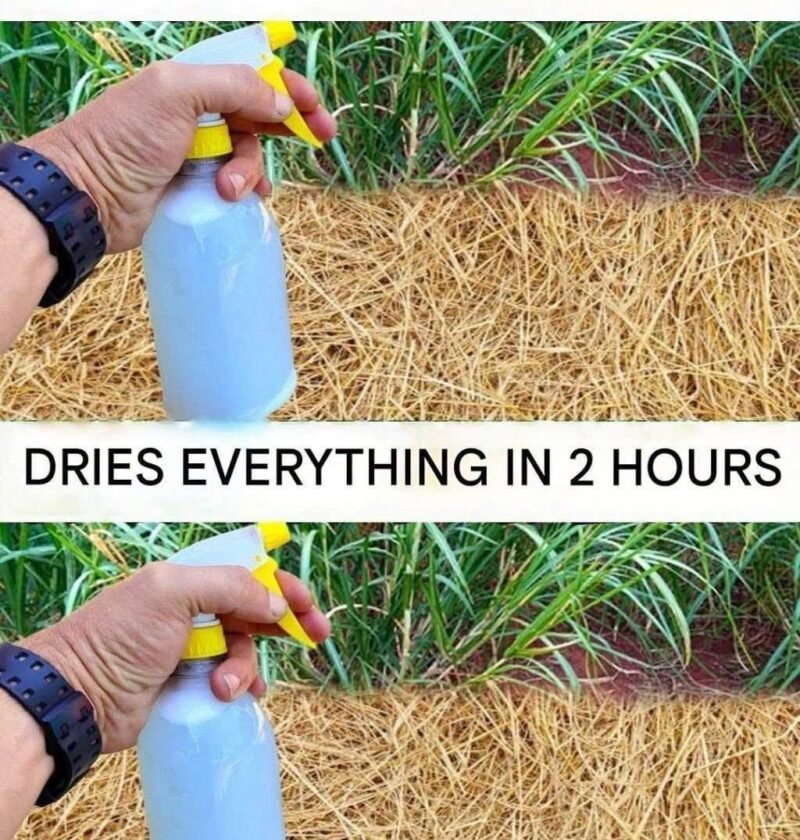
I wouldn’t recommend the popular vinegar + salt + dish-soap recipe as a blanket “non-toxic herbicide.” Salt can accumulate in soil and harm future plants, vinegar can burn desirable vegetation, and concentrated vinegar can irritate skin and eyes.
For lawns and garden beds, hand removal, mulching, and dense healthy plant growth are generally safer ways to manage weeds without unnecessarily damaging the soil.
If you tell me whether the weeds are in a lawn, flower bed, vegetable garden, driveway, or patio, I can suggest the safest method for that specific area.