Important Medical Disclaimer: You cannot safely or effectively remove hardened tartar (calculus) at home. Attempting to scrape it off yourself with metal tools, pins, or sharp objects can permanently damage your tooth enamel, lacerate your gums, introduce dangerous bacteria, and lead to severe infections or receding gums.
While practicing excellent oral hygiene at home is essential for preventing plaque, once plaque hardens into tartar, only a dental professional using specialized ultrasonic and manual instruments can remove it safely.
What is the Difference Between Plaque and Tartar?
-
Plaque: A sticky, colorless film of bacteria that constantly forms on your teeth. It is soft and can be easily removed daily by thorough brushing and flossing.
-
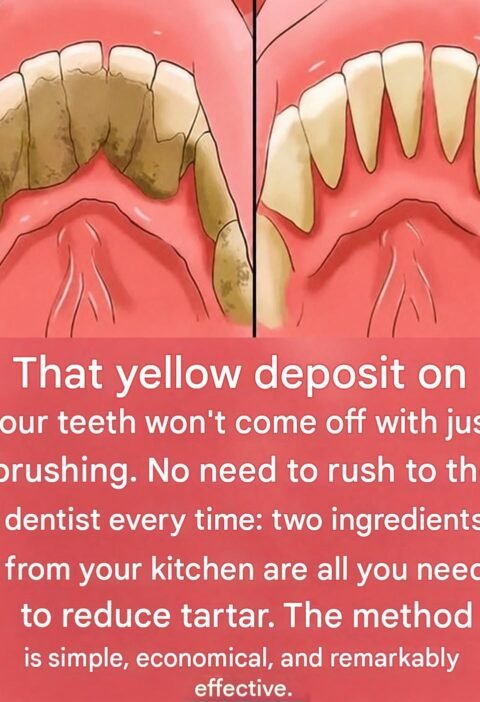
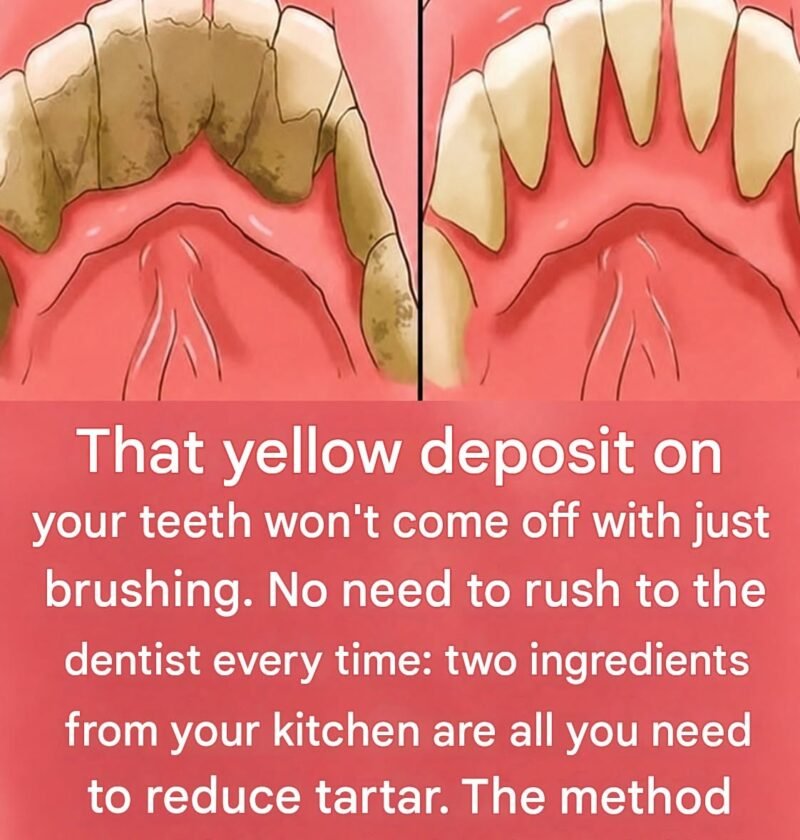
Tartar (Calculus): If plaque is not removed within 24 to 72 hours, minerals in your saliva mix with it and harden into a rough, yellowish or brownish deposit. Once it calcifies, standard brushing cannot touch it.
Safe Ways to Protect Your Teeth at Home (Prevention)
While you cannot remove existing tartar at home, you can stop new tartar from forming and keep your gums healthy between dental visits:
-
Use an Electric Toothbrush: Studies show that sonic or oscillating electric toothbrushes are significantly more effective at removing plaque than manual brushes, preventing it from turning into tartar.
-
Switch to a Tartar-Control Toothpaste: Look for toothpastes containing pyrophosphates or zinc citrate, which help prevent mineral crystals from depositing on your teeth.
-
Floss Daily: Tartar loves to hide between teeth where your toothbrush bristles cannot reach. Flossing daily breaks up plaque in these tight spaces.
-
Use an Antiseptic Mouthwash: An antimicrobial mouthwash helps kill lingering bacteria that contribute to plaque formation.
-
Stay Hydrated and Limit Sugar: Saliva naturally washes away food particles and neutralizes acids. Drinking plenty of water and cutting back on sugary or starchy snacks starves the bacteria that form plaque.
When to See a Professional
If you can see hardened, yellowish-brown deposits near your gumline or between your teeth, it is time to schedule a professional cleaning with a dentist or dental hygienist. They use specialized tools to gently scale away the buildup without harming your enamel or soft gum tissue.
Are you experiencing any gum sensitivity or bleeding when you brush, or are you just looking for ways to keep your smile brighter at home?