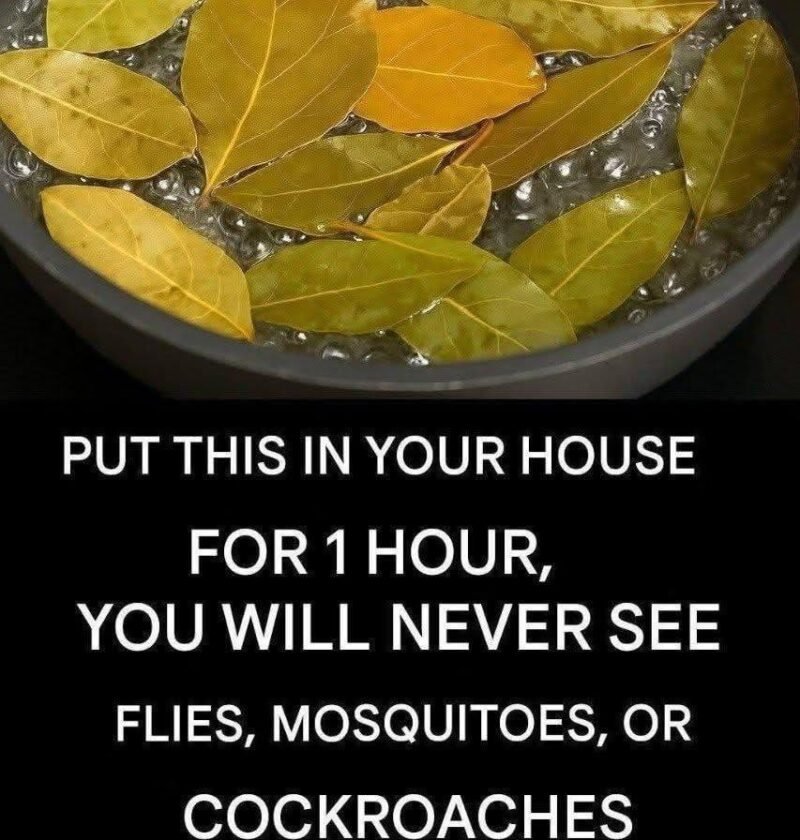
Viral DIY and “life hack” channels love to promise that you can magically “banish” flies, mosquitoes, and cockroaches forever using simple pantry ingredients like a bowl of vinegar, a few slices of lemon stuck with cloves, or scattering bay leaves around your kitchen.
When pest control experts, entomologists, and public health officials look at these viral natural remedies, the reality is a bit more nuanced. While certain natural scents can temporarily repel flying insects, they do not eliminate infestations, and they are virtually useless against resilient crawling pests like cockroaches.
Here is what science actually says about natural insect remedies versus what it takes to genuinely manage pests in your home:
1. The Truth About Natural Repellents (Flies & Mosquitoes)
Many viral videos suggest that placing bowls of essential oils, vinegar, or herbs around your house will clear out flying insects.
-
The Science: Essential oils (like eucalyptus, citronella, peppermint, or lemongrass) and strong-smelling herbs do contain volatile organic compounds that mask the human scents and carbon dioxide trails that mosquitoes use to find us, or that annoy flies.
-
The Catch: These effects are short-lived and strictly localized. A few drops of peppermint oil on a cotton ball might deter a few ants or mosquitoes from a specific windowsill for an hour, but it creates no long-term barrier. Once the volatile oils evaporate, the insects return.
2. The Myth of Natural Cockroach Remedies
One of the most dangerous myths on social media is that you can “banish” cockroaches with natural tricks like scattering bay leaves, spraying diluted dish soap, or leaving out baking soda mixtures.
-
The Reality: Cockroaches are among the most evolutionarily resilient insects on Earth. They do not care about bay leaves (in fact, some species will happily eat them).
-
Why It Fails: Cockroaches hide deep inside wall voids, under floorboards, and inside warm appliance motors where surface sprays or DIY scents never reach. Furthermore, a single female German cockroach and her offspring can multiply into tens of thousands in a matter of months. Relying on a bowl of vinegar or essential oils while an infestation grows unchecked can lead to severe allergen buildup (cockroach feces and shed skins are potent asthma triggers) and property damage.
What Actually Works: Integrated Pest Management (IPM)
Professional pest control relies on Integrated Pest Management, a systematic approach that focuses on prevention and science rather than magic tricks:
-
Eliminate Access to Water and Food: Cockroaches cannot survive without water. Fixing leaking pipes under the sink, wiping down counters, storing food in airtight glass or plastic containers, and taking out the trash daily starves them out faster than any spray.
-
Seal Entry Points: Use caulk and weatherstripping to seal cracks around baseboards, windows, doors, and plumbing penetrations where pests sneak in from the outside.
-
Targeted Interventions: If an infestation takes hold, evidence-based solutions like insecticide baits (which roaches eat and carry back to poison the nest) are vastly superior to ineffective home remedies or broad-scale aerosol sprays that only kill a few surface bugs.
The Bottom Line
While pleasant-smelling natural oils and herbs are great for making your home smell fresh and offering mild, temporary deterrence against a stray mosquito or fly, treat viral promises of “banishing” pests with a heavy dose of skepticism. When it comes to real pest problems, physical exclusion, rigorous cleanliness, and targeted treatments are the only things that actually work.