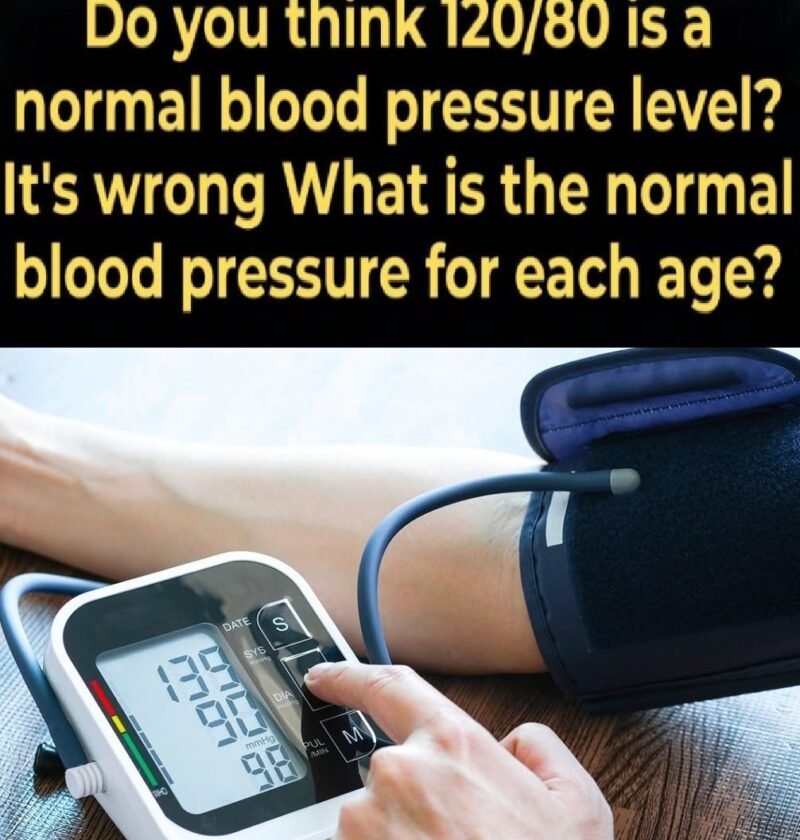
For adults, normal blood pressure is defined as less than 120/80 mm Hg at every age.
While medical guidelines (such as those from the American Heart Association) do not raise the acceptable blood pressure threshold as you get older, average readings across the population naturally tend to creep up over time because blood vessels stiffen with age. However, “average for your age” does not equal “healthy.”
Adult Blood Pressure Categories (AHA Guidelines)
-
Normal: Less than 120 / less than 80 mm Hg
-
Elevated: 120–129 / less than 80 mm Hg
-
Stage 1 Hypertension: 130–139 / 80–89 mm Hg
-
Stage 2 Hypertension: 140 or higher / 90 or higher mm Hg
How Blood Pressure Varies Across Adult Decades (Typical vs. Ideal)
Even though the target remains under 120/80 mm Hg, how readings typically behave changes as you move through life:
-
Ages 18–39: Typical averages sit around 110–120 / 68–78 mm Hg. In young adults, watching the bottom number (diastolic pressure) is especially important, as early elevations can predict future cardiovascular risks.
-
Ages 40–59: Typical averages drift to 120–130 / 74–82 mm Hg. This is the decade where the top number (systolic pressure) begins its gradual climb due to normal vascular aging.
-
Ages 60 and Beyond: Typical population averages can reach 130–140 / 68–80 mm Hg. In older adults, it is very common to see “isolated systolic hypertension” (a high top number with a normal or low bottom number). While doctors sometimes individualize treatment targets for older or frail patients to prevent dizziness or falls, a reading consistently over 130/80 is still clinically categorized as high blood pressure.
What About Children and Infants?
For children and adolescents (ages 1 to 17), normal blood pressure isn’t a single flat number. Instead, it is evaluated using percentiles based on the child’s age, sex, and height. Pediatricians use specialized growth charts to determine if a child’s reading falls below the 90th percentile, which is considered normal.