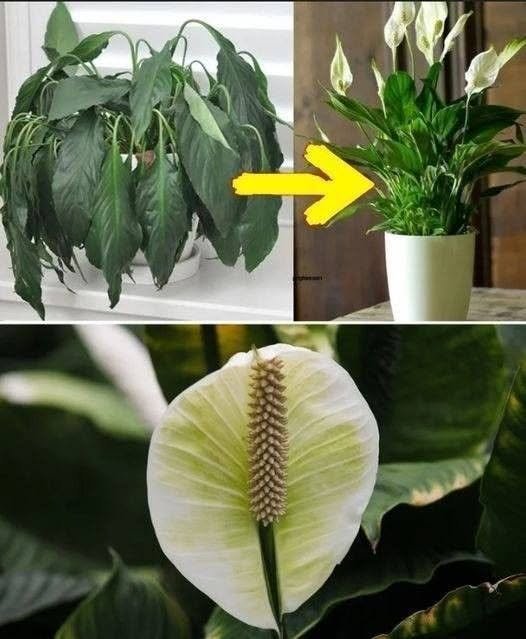
The headline “Place a Tablespoon on Any Plant at Home: What to Expect” is another classic piece of viral gardening clickbait. Usually accompanied by a thumbnail showing someone sticking a metal spoon into a potted houseplant, these articles promise bizarre secret hacks—such as claiming that burying silverware magically cures yellowing leaves, repels pests, or infuses the soil with miraculous trace minerals.
In actual botanical reality, a metal spoon sitting in potting mix won’t do a single thing for your plant—unless you happen to be using it as a tiny, makeshift trowel.
Let’s look at why these bizarre kitchen-utensil hacks pop up online and what your houseplants actually need to thrive.
Where Do These Quirky Gardening Myths Come From?
Viral plant hacks generally fall into two categories: misunderstood science or pure engagement bait designed to make you click out of curiosity.
-
The “Metal Trace Mineral” Misconception: Some internet folklore suggests that burying old metal utensils, coins, or tin foil in soil will leach iron or other metals into the dirt to nourish plants. In reality, standard stainless steel or silver spoons do not break down or release bioavailable nutrients that plant roots can absorb. (Even if a metal did oxidize, household cutlery is entirely the wrong chemical form for plant nutrition).
-
The Clickbait Curiosity Gap: By keeping the trick a mystery (“What to Expect”), the headline forces you to watch a video or click through a slideshow full of ads just to see a completely ordinary kitchen spoon resting in a pot of dirt.
What Your Houseplants Actually Need
If you want your indoor plants to grow lush, green, and healthy, skip the silverware and focus on the core environmental factors that govern plant biology:
-
The Right Soil Structure: Houseplants need porous, well-aerated potting mixes (often containing peat, perlite, and bark) that allow oxygen to reach their roots. Heavy garden soil or blocked drainage will suffocate roots.
-
Appropriate Watering Habits: The #1 killer of indoor plants is overwatering. Always let the top couple of inches of soil dry out before watering again, and ensure your pots have proper drainage holes.
-
Balanced Light Exposure: Different plants evolved under jungle canopies or arid deserts. Matching your plant to the right window (bright indirect light vs. low light) determines whether it thrives.
-
Gentle Feeding: When plants are actively growing in spring and summer, a diluted, balanced houseplant fertilizer provides the actual nitrogen, phosphorus, and potassium they need—no tablespoons required.