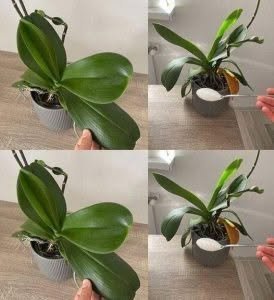
The headline “Orchids: Just 1 tablespoon and they will bloom non-stop – a powerful fertilizer” is classic clickbait gardening folklore. It usually promises that pouring a random kitchen concoction—like leftover coffee grounds, milk, rice water, or a spoonful of sugar—into your orchid pot will act as a secret botanical elixir that forces continuous, non-stop blooms.
While it is fun to look for simple kitchen hacks, real plant biology doesn’t work through magic elixirs. Orchids are epiphytes—plants that naturally grow on the surfaces of other trees in tropical rainforests, absorbing moisture and nutrients through their exposed roots and bark rather than rich soil.
Let’s look at how orchid biology actually works and what it takes to encourage healthy, long-lasting blooms.
Why Kitchen Tonics Fail Orchid Biology
-
The Substrate Mismatch: Orchids do not grow in standard potting soil; they grow in chunky bark, perlite, or sphagnum moss designed for maximum airflow around their roots. Pouring sticky kitchen liquids (like milk, sugar water, or heavy organic mixtures) into the pot coats the roots, blocks oxygen, attracts gnats and pests, and breeds harmful bacteria or fungus.
-
The “Non-Stop Bloom” Myth: No plant blooms 365 days a year. Orchids have a natural lifecycle that includes active leaf and root growth, a rest period, and then a dedicated flowering cycle driven by environmental cues—not a spoonful of kitchen waste.
What Actually Makes Orchids Bloom
If you want your orchids to thrive and push out gorgeous, long-lasting flowers, you need to mimic their natural jungle environment through proper care foundations:
-
Bright, Indirect Light: Orchids need plenty of bright light to trigger blooming, but direct, scorching sunlight will burn their leaves. A bright east- or filtered south-facing window is ideal.
-
The Right Watering Technique: Instead of a daily splash or a random tonic, water your orchid thoroughly only when its bark medium has dried out completely. Many growers submerge the plastic pot in water for 10–15 minutes, then let it drain completely so water never pools at the bottom of the outer decorative container (which causes root rot).
-
Balanced, Dilute Fertilization: Instead of kitchen tonics, use a specialized, water-soluble orchid fertilizer diluted to “quarter strength.” Apply it sparingly during their active growing season (spring and summer) to provide essential nitrogen, phosphorus, and potassium.
-
Temperature Cues: Many common household orchids (like Phalaenopsis) are naturally triggered to spike and bloom by a slight, natural drop in nighttime temperatures (around 10°F cooler than daytime) during the autumn months.
The Takeaway
Skip the viral kitchen tonics. Healthy, beautiful orchid blooms come from mimicking their natural tropical habitat with the right balance of light, proper watering, chunky bark drainage, and patience.