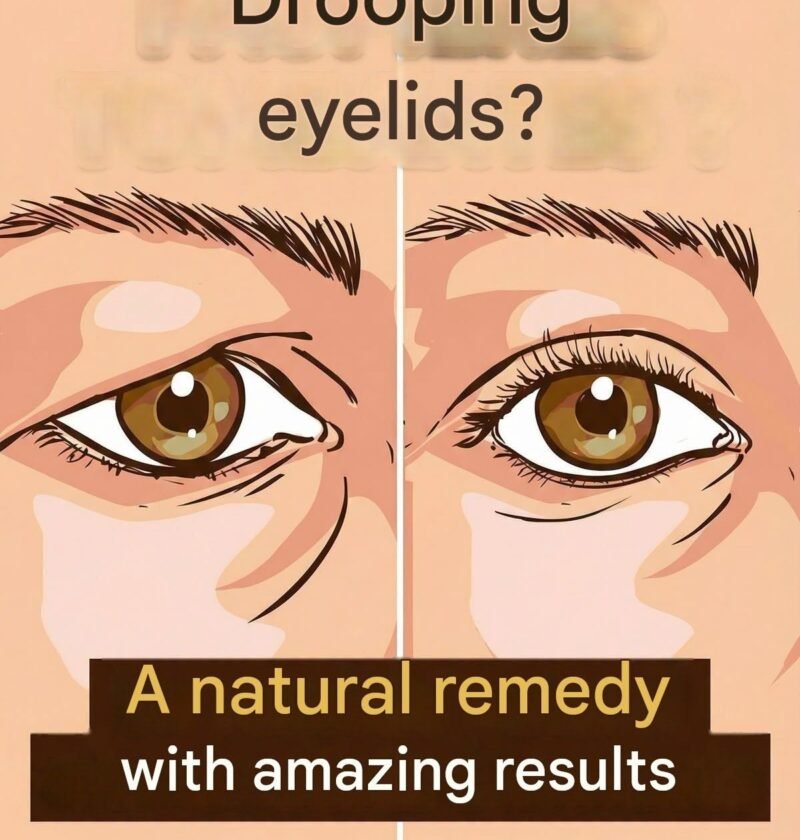
Droopy eyelids—medically known as ptosis—are extremely common, particularly as we age. While social media beauty tutorials are full of DIY eye exercises, cucumber slices, and tightening creams promising to lift hooded lids overnight, the reality of what causes ptosis is rooted in anatomy and structural changes.
Understanding why eyelids droop can help you separate harmless cosmetic changes from medical issues that require a doctor’s care.
Why Do Eyelids Droop? (The Anatomy)
An eyelid doesn’t drop because the skin loses firmness; rather, it happens when the muscle responsible for lifting the lid—the levator palpebrae superioris—stretches, weakens, or detaches from its tendon.
The most common drivers of drooping eyelids include:
-
Natural Aging (Aponeurotic Ptosis): Over decades, the tendon connecting the levator muscle to the eyelid stretches out from years of blinking, rubbing, or wearing contact lenses, causing the eyelid margin to slip downward.
-
Skin Laxity (Dermatochalasis): This is often confused with true ptosis. As skin loses elasticity and collagen with age, excess skin folds over the lash line, creating a “hooded” look, even though the underlying eyelid muscle is still strong.
-
Medical Conditions or Trauma: Nerve damage, neurological disorders, previous eye surgery, or chronic inflammation can sometimes impact the eyelid muscles or nerves.
Do Natural “Remedies” Work?
If drooping is caused by stretching of an internal muscle or tendon, topical eye creams, facial yoga, or DIY compresses cannot reverse it. Skincare can help hydrate and improve the surface texture of thin eyelid skin, but it cannot repair a weakened internal lifting mechanism or eliminate excess hooding caused by loose skin.
For mild cosmetic hooding, temporary non-surgical options include specialty eyelid tape or contouring makeup designed to create the illusion of a lifted crease.
When to See a Doctor (Red Flags)
While age-related drooping is usually harmless and purely cosmetic, certain patterns require prompt medical evaluation by an optometrist, ophthalmologist, or primary care doctor:
-
Sudden Onset: If an eyelid droops suddenly (over the course of hours or days), it can be a sign of a serious medical emergency, such as a stroke, aneurysm, or nerve compression. Seek immediate medical care.
-
Accompanied by Double Vision or Weakness: If drooping is paired with double vision, trouble swallowing, or weakness in your arms and legs, it can indicate conditions like myasthenia gravis.
-
Vision Impairment: If the droop is so severe that the eyelid margin blocks your upper field of vision—making it hard to drive, read, or watch television—it crosses into a functional medical issue.
-
Neurological Signs: Accompanied by a severe headache, a fixed pupil size, or sudden pain.
Medical and Surgical Solutions
If droopy eyelids are significantly impairing your vision or bothering you cosmetically, medical treatments are highly effective:
-
Blepharoplasty: A common, minor outpatient surgical procedure where a surgeon removes excess skin and fat from the upper eyelid.
-
Ptosis Repair: A procedure where the surgeon tightens or reattaches the stretched levator muscle to restore a normal eyelid height.
Have you noticed a gradual change in your eyelids over time, or was there a sudden shift that prompted you to look into this?