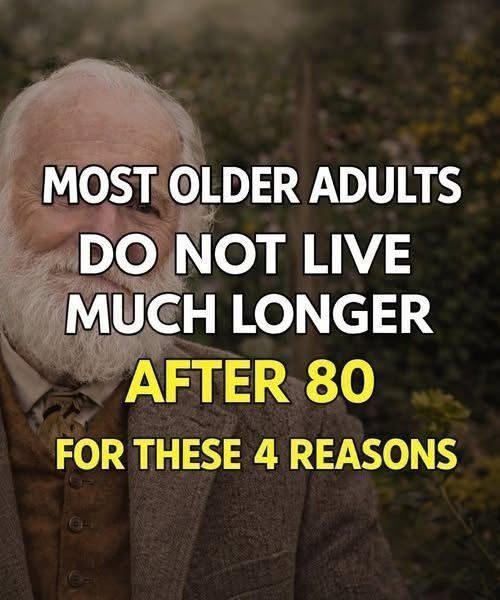
Headlines that make sweeping, grim declarations about lifespan are classic examples of clickbait designed to tap into aging anxieties.
While it’s true that biological aging naturally increases the body’s vulnerability to certain health events, the premise that “most older adults don’t live much past 80” heavily misrepresents modern demographics. Global life expectancy has risen dramatically, and in many parts of the world, millions of people live vibrant, active lives well into their 80s, 90s, and beyond.
When geriatricians and public health experts look at the primary health challenges that statistically constrain longevity or impact quality of life in later decades, they focus on four major, modifiable categories rather than an arbitrary age cutoff:
1. Cardiovascular Disease (Heart Health & Strokes)
-
The Reality: Diseases affecting the heart and blood vessels—such as coronary artery disease, heart failure, and stroke—remain the leading cause of mortality in older adults globally.
-
The Nuance: While aging stiffens arteries over time, cardiovascular risk is heavily tied to modifiable factors like blood pressure, cholesterol management, smoking, and regular physical activity. Managing these early significantly shifts the longevity curve.
2. Loss of Mobility and Fall Risks
-
The Reality: As people age, natural losses in muscle mass (sarcopenia) and bone density (osteopenia or osteoporosis) can compromise balance and strength. A severe fall resulting in a hip fracture can trigger a cascade of immobility, medical complications, and loss of independence.
-
The Nuance: Strength training, balance exercises, adequate protein intake, and home safety modifications (like removing tripping hazards) play a massive role in preventing falls before they happen.
3. Neurodegenerative Conditions (Cognitive Decline)
-
The Reality: Conditions like Alzheimer’s disease and other forms of dementia become increasingly prevalent in advanced age, profoundly altering brain function, independence, and overall health.
-
The Nuance: Researchers emphasize that cognitive decline is not an absolute guarantee of aging. Maintaining cardiovascular health, staying socially engaged, challenging the brain with new learning, and managing sleep apnea and hearing loss are all linked to preserving cognitive resilience.
4. Chronic Inflammation and Metabolic Decline
-
The Reality: Over decades, cumulative low-grade systemic inflammation (sometimes called “inflammaging”) combined with metabolic shifts like insulin resistance can wear down organ systems, making the body less resilient when fighting off acute illnesses like pneumonia, severe infections, or the flu.
-
The Nuance: An anti-inflammatory diet rich in whole foods, staying properly hydrated, keeping up with routine vaccinations, and managing chronic conditions like type 2 diabetes help keep the immune system robust.
The Takeaway
Getting older does not mean sliding down an inevitable, rapid cliff once you hit 80. Instead, longevity is shaped heavily by how we care for our cardiovascular, skeletal, and neurological health across our entire lives.
Are you exploring ways to support long-term vitality and healthy aging for yourself or someone you care about?


