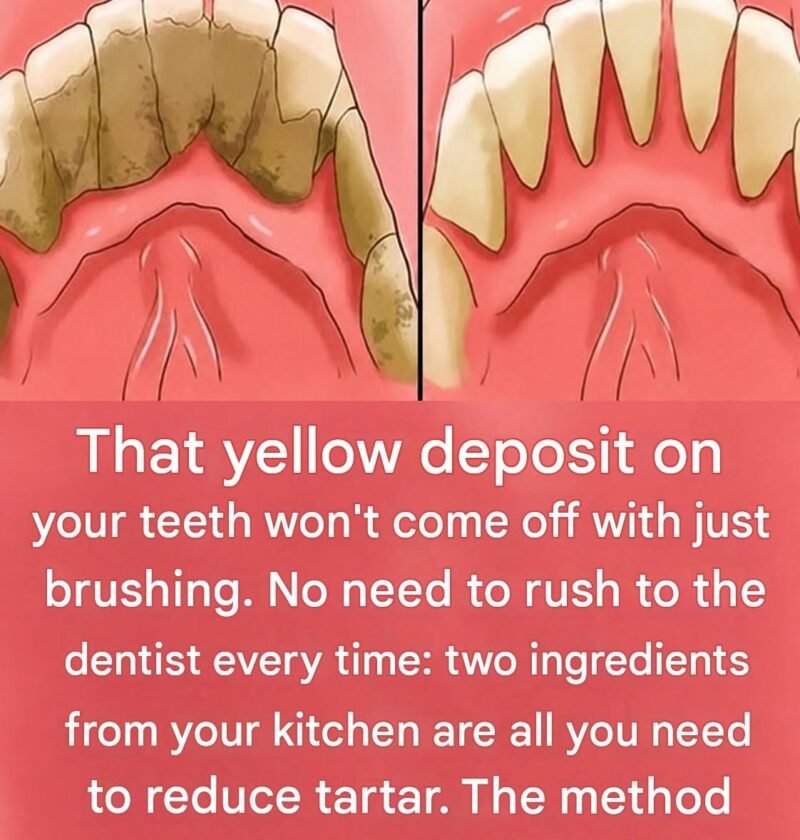
While it is tempting to look for home remedies, tartar (calculus) cannot be safely or effectively removed at home.
Once dental plaque (the soft, sticky film of bacteria on your teeth) hardens into tartar, it mineralizes and bonds tightly to the enamel. Removing it requires specialized professional tools—such as ultrasonic scalers and curettes—and the training of a dental professional.
Why At-Home Tartar Removal is Dangerous
Attempting to scrape away tartar yourself using metal tools, pins, or harsh abrasive DIY mixtures (like baking soda and lemon juice) often causes more harm than good:
-
Gum Damage: Sharp DIY instruments easily slip, slicing the delicate gum tissue and leading to bleeding, infection, and receding gums.
-
Enamel Destruction: Scraping tools can permanently scratch or gouge your tooth enamel, making teeth more susceptible to decay and staining.
-
Root Exposure: Damaging the gums or enamel can expose the tooth roots, leading to extreme sensitivity to hot and cold.
How to Stop Plaque from Turning into Tartar
While tartar removal must be left to a dentist or dental hygienist, you have complete control over preventing new tartar from forming. Plaque hardens into tartar within 24 to 72 hours, so daily habits are your best defense:
-
Brush Twice a Day for Two Minutes: Use a soft-bristled toothbrush (preferably electric) and fluoride toothpaste. Pay special attention to the inner surfaces of your lower front teeth, as this is where salivary glands empty and tartar accumulates fastest.
-
Floss Daily: Flossing is the only way to remove plaque from between your teeth where your toothbrush bristles cannot reach.
-
Use an Antiseptic Mouthwash: Swishing with an antimicrobial mouthwash helps kill remaining bacteria that contribute to plaque formation.
-
Consider Tartar-Control Toothpaste: Look for toothpastes containing pyrophosphates or zinc citrate, which help prevent plaque from mineralizing into hard tartar.
When to See a Professional
If you already have visible hardened deposits (usually appearing as yellow or brown crusts near the gumline), the only safe solution is to schedule a professional cleaning with your dentist or dental hygienist. They can remove the buildup safely and check for early signs of gum disease (gingivitis or periodontitis).