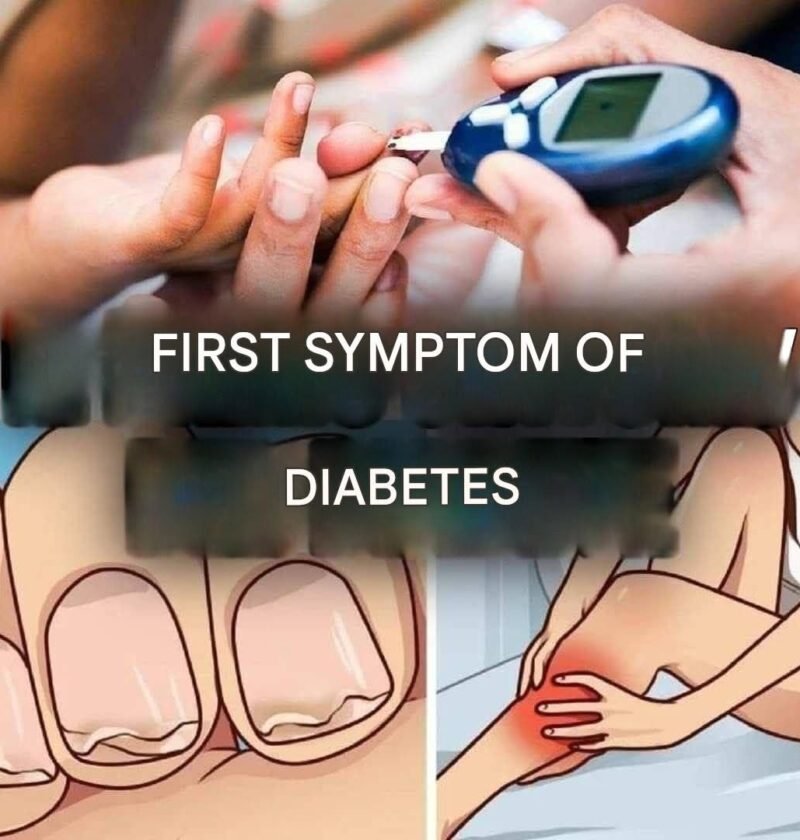
Viral health articles love to tease shocking lists of “surprising symptoms of diabetes” to grab your attention. While classic symptoms like extreme thirst, frequent urination, and unexplained weight loss are well-known, high blood sugar can sometimes manifest in subtle, unexpected ways throughout the body that people rarely connect to metabolism.
Here is a look at the first set of lesser-known signs that doctors and endocrinologists look out for:
1. Persistent Skin Changes (Acanthosis Nigricans and Skin Tags)
-
What happens: You might notice dark, velvety, thickened patches of skin forming in body creases—most commonly around the back of the neck, armpits, or groin. An sudden increase in small skin tags can also sometimes appear.
-
Why it happens: Persistently high levels of circulating insulin in the bloodstream (often tied to insulin resistance, the precursor to Type 2 diabetes) can stimulate skin cells and melanin production to multiply abnormally, creating those characteristic dark, velvety textures.
2. Slow-Helling Cuts, Scrapes, and Frequent Infections
-
What happens: Minor kitchen nicks, bug bites, or bruises seem to linger for weeks instead of healing quickly, or you find yourself dealing with recurring skin, gum, or urinary tract infections.
-
Why it happens: Excess glucose in the blood impairs the efficiency of white blood cells (your immune system’s primary defenders) and damages tiny blood vessels, reducing the circulation of oxygen and nutrients needed to repair damaged tissue. Bacteria and fungi also thrive in high-sugar environments.
3. Fluctuating or Blurry Vision
-
What happens: Your eyesight seems to change day by day, making it difficult to focus or read clearly, even if your eyeglass prescription hasn’t changed.
-
Why it happens: When blood sugar levels spike, excess glucose can cause fluid to shift into and out of the lens of the eye. This temporary swelling alters the shape of the lens, changing how it focuses light until blood sugar levels stabilize.
Staying Proactive
While these subtle signs can point toward metabolic stress, they are not a definitive diagnosis on their own. If you ever notice persistent, unusual changes in your skin, healing times, or vision, a simple fasting blood glucose or A1c test from your doctor can provide clear, definitive answers.
(Curious about what else can show up unexpectedly? Let’s look at the next set when you’re ready for part two!)