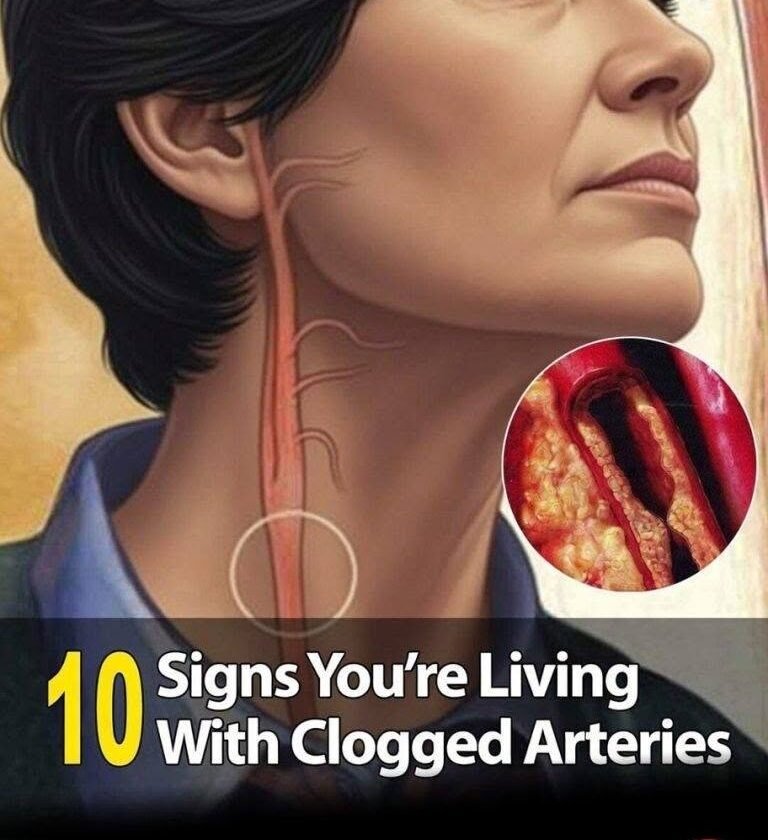
Arterial blockages—medically known as atherosclerosis—occur when plaque (a buildup of cholesterol, fat, calcium, and other substances) accumulates inside the arteries. Over time, this buildup narrows the blood vessels, restricting the flow of oxygen-rich blood to vital organs.
Because arterial plaque accumulates silently over years, the body often sends subtle warning signs before a major cardiovascular event (like a heart attack or stroke) occurs. Here are 10 indicators of blocked or narrowing arteries that you should never ignore:
1. Intermittent Claudication (Leg Pain While Walking)
-
What it feels like: Cramping, aching, numbness, or tiredness in your leg muscles (calves, thighs, or buttocks) that triggers when you walk or climb stairs, but remarkably goes away shortly after you rest.
-
Why it happens: This is a classic sign of Peripheral Artery Disease (PAD). Plaque buildup in the arteries supplying your legs restricts blood flow when your muscles demand more oxygen during exertion.
2. Chest Discomfort or Angina
-
What it feels like: A squeezing pressure, tightness, fullness, or aching in the center or left side of your chest, often triggered by physical exertion or emotional stress and relieved by rest.
-
Why it happens: Narrowed coronary arteries struggle to supply the heart muscle itself with enough blood when it beats harder, resulting in temporary oxygen starvation (angina).
3. Unexplained Shortness of Breath
-
What it feels like: Becoming unusually winded during light activities—like making the bed, walking up a short flight of stairs, or grocery shopping—that used to feel effortless.
-
Why it happens: If coronary artery disease weakens the heart muscle or impairs its pumping efficiency, blood can back up into the lungs, making breathing noticeably more difficult.
4. Persistent Fatigue and Weakness
-
What it feels like: A deep, systemic exhaustion that sleep doesn’t fix, making daily tasks feel monumental.
-
Why it happens: When major arteries are clogged, your heart has to work significantly harder to push blood through narrowed pathways, diverting energy away from the rest of your body and leaving you feeling constantly drained.
5. Dizziness, Lightheadedness, or Fainting Spells
-
What it feels like: Sudden dizzy spells, a feeling that the room is spinning, or nearly fainting when standing up quickly or exerting yourself.
-
Why it happens: Blockages in the carotid arteries (which supply blood to the brain) or cardiovascular strain can temporarily reduce blood flow to the brain, triggering lightheadedness.
6. Erectile Dysfunction (ED)
-
What it feels like: Persistent difficulty achieving or maintaining an erection.
-
Why it happens: The arteries supplying the pelvic region are significantly smaller than the coronary arteries. Consequently, erectile dysfunction is often one of the earliest warning signs of systemic atherosclerosis, appearing years before a heart attack.
7. Cold Hands and Feet (or Slow-Healing Sores)
-
What it feels like: Chronically ice-cold fingers or toes, pale or bluish skin in the extremities, or minor cuts and sores on the feet that take weeks or months to heal.
-
Why it happens: Advanced peripheral artery disease chokes off the tiny capillary beds in your extremities, depriving tissues of the warmth and oxygen-rich blood needed for circulation and cellular repair.
8. Jaw, Neck, Back, or Shoulder Pain
-
What it feels like: A dull ache, pressure, or tightness radiating into the lower jaw, neck, upper back, or down one or both arms (especially the left arm).
-
Why it happens: Cardiac pain does not always announce itself neatly in the chest. Because heart nerves share pathways with nerves in the upper body, blocked coronary arteries can project pain signals into the jaw, neck, or back.
9. Sudden Vision Changes or Transient Weakness (TIA Warning Signs)
-
What it feels like: Brief episodes of blurred vision, a temporary dark shadow passing over one eye, or sudden, fleeting weakness on one side of the body.
-
Why it happens: When plaque buildup sheds micro-emboli (tiny clots) or severely narrows the carotid arteries leading to the brain, it can trigger a Transient Ischemic Attack (mini-stroke), signaling critical vascular disease.
10. High Blood Pressure (Hypertension)
-
What it feels like: Often called the “silent killer,” high blood pressure frequently has no symptoms at all, but is detected via a cuff reading.
-
Why it happens: As arteries become stiffened and narrowed by plaque, the heart must generate much higher pressure to force blood through the vascular system, creating a dangerous cycle of strain.
Why Early Detection Matters
Arterial blockages do not reverse themselves on their own, but they can be managed, halted, and sometimes improved through lifestyle changes, medications (like statins or blood pressure drugs), or surgical interventions. If you are experiencing persistent symptoms like leg cramping during walks or unexplained chest discomfort, schedule a evaluation with your physician. Simple non-invasive tests—such as an ankle-brachial index (ABI) test, carotid ultrasound, or a cardiac stress test—can catch vascular disease long before it turns into a medical emergency.