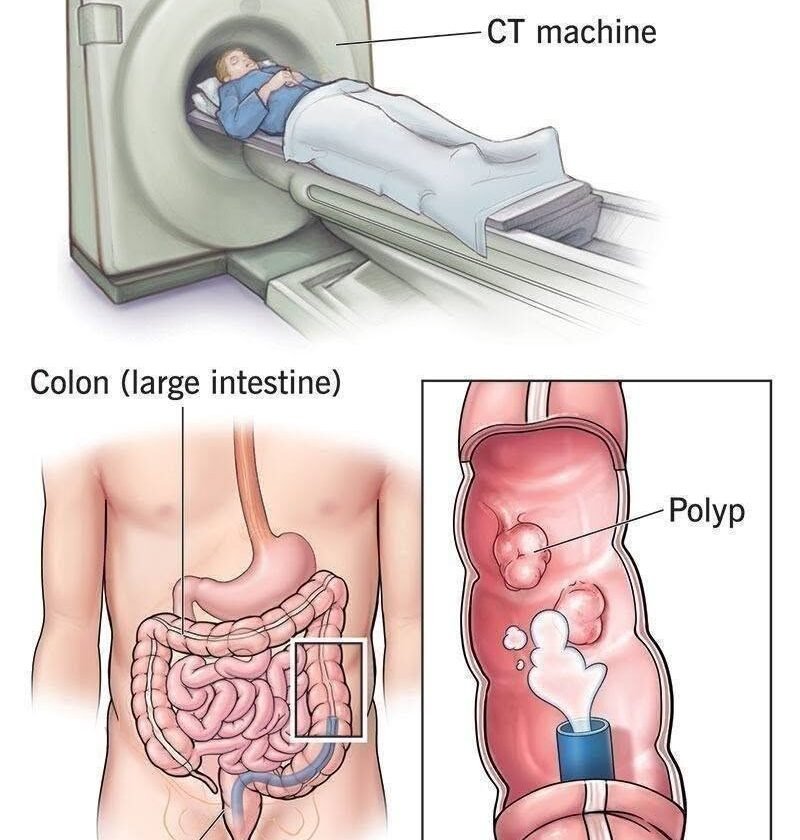
While a traditional optical colonoscopy remains the gold standard because doctors can remove polyps or take tissue biopsies during the procedure, significant advancements are reshaping colorectal cancer screening, making less-invasive alternatives more accurate and accessible.
Here are the primary non-invasive and minimally invasive methods shifting the landscape of colon health screening:
1. Advanced Blood-Based Biomarker Tests
-
How it works: A simple routine blood draw analyzes circulating cell-free DNA and specific genomic or methylation markers associated with colorectal cancer cells.
-
The impact: Blood tests (such as cell-free DNA blood screenings) offer an attractive option for patients who continuously delay or refuse traditional or stool-based screenings. While they are generally recommended as a periodic screening tool, a positive result still requires a follow-up standard colonoscopy to investigate.
2. Next-Generation Stool-Based DNA and Microbiome Tests
-
How it works: Advanced multi-target stool DNA tests (like Cologuard Plus) and emerging microbiome-mapping methods use machine learning to decode gut bacteria patterns or genetic mutations shed into stool.
-
The impact: These tests have drastically improved sensitivity (detecting up to 90–95% of colorectal cancers) without requiring sedation, dietary restrictions, or invasive scopes. However, like blood tests, they act as screening filters: if an abnormality is detected, a standard colonoscopy is still necessary to remove any polyps.
3. Virtual Colonoscopy (CT Colonography)
-
How it works: Uses a specialized, low-dose computed tomography (CT) scanner combined with computer software to generate high-resolution 3D images of the entire colon and rectum.
-
The impact: It does not require sedation, anesthesia, or the insertion of a long flexible camera scope. While bowel preparation (clearing the colon) is still required, it is quicker and avoids the physical insertion of a scope. Catch: If the radiologist finds a suspicious polyp or growth, you must still undergo a traditional colonoscopy to have it biopsied or removed.
The Crucial Catch with “Non-Invasive” Options
The primary limitation shared by all non-invasive or virtual screening methods is diagnostic vs. therapeutic capability. While they are exceptional at detecting problems or ruling out cancer for average-risk individuals, they cannot treat them on the spot. If a non-invasive test returns a positive result, a standard optical colonoscopy is still required to complete the process.