When your kidneys experience a decline in function, waste products like creatinine (a normal byproduct of muscle breakdown) can begin to build up in the bloodstream. Because the body is remarkably resilient, early-stage kidney issues are often entirely “silent,” earning chronic kidney disease the moniker of a hidden condition.
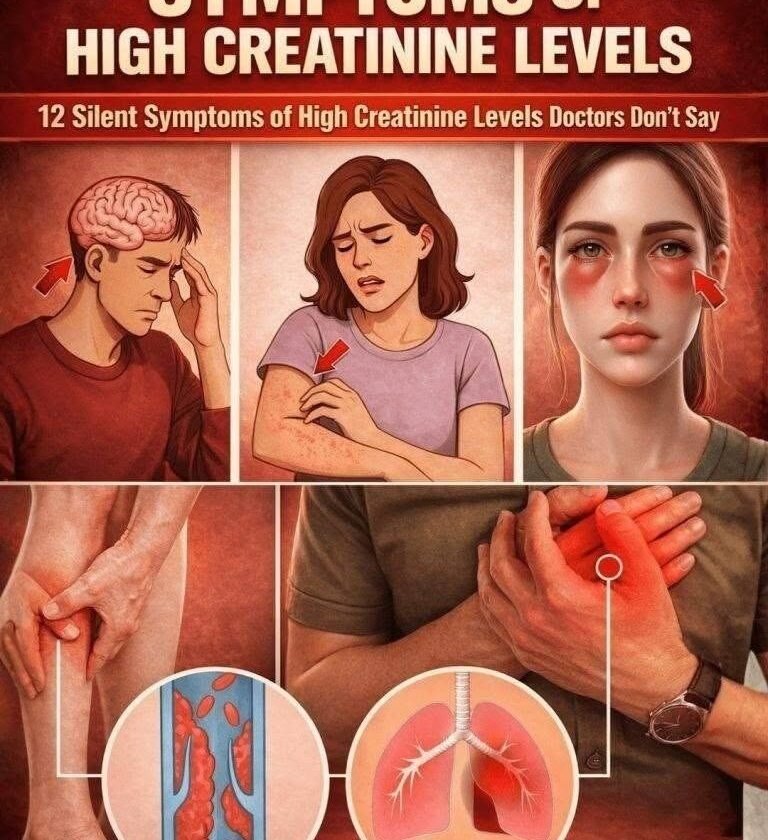
However, your body often drops subtle hints that filtration efficiency is slipping. Here are 12 subtle (and sometimes overlooked) signs that may be linked to high creatinine and underlying kidney strain:
1. Persistent Fatigue and “Brain Fog”
-
What it feels like: Feeling unusually drained, heavy, or exhausted even after a full night’s sleep, often accompanied by trouble concentrating.
-
Why it happens: Healthy kidneys make a hormone called EPO, which tells your body to make oxygen-carrying red blood cells. When kidneys struggle, anemia sets in. Combined with a buildup of circulating metabolic toxins, your brain and muscles are starved of peak energy.
2. Changes in Urination Frequency (Especially at Night)
-
What it feels like: Finding yourself waking up multiple times through the night to use the bathroom (nocturia), or noticing shifts in how much urine you produce.
-
Why it happens: When the kidneys’ filtering units (nephrons) are damaged, they lose their ability to properly concentrate urine, leading to more watery, frequent output.
3. Foamy or Bubbly Urine
-
What it feels like: Urine that looks aggressively frothy—resembling the foam on scrambled eggs—requiring multiple flushes to clear.
-
Why it happens: This is a classic indicator that protein (specifically albumin) is leaking through the damaged kidney filters into your urine.
4. Subtle Puffiness Around the Eyes
-
What it feels like: Waking up with persistent swelling or bags around your eyes that doesn’t easily go away after you’ve been awake for a bit.
-
Why it happens: Leaking large amounts of protein into the urine depletes protein in the blood, which helps maintain fluid balance, causing fluid to pool in looser tissues like the skin around the eyes.
5. Swollen Ankles, Feet, or Hands
-
What it feels like: Rings feeling tighter, shoes pinching, or leaving deep indentations (pitting) in your lower legs when you press on the skin.
-
Why it happens: When kidneys fail to efficiently remove extra sodium and fluid from the body, water retention builds up downstream in your extremities.
6. Dry, Persistently Itchy Skin
-
What it feels like: An unrelenting, deep itchiness that standard lotions and moisturizers just cannot seem to fix.
-
Why it happens: As kidney function drops, mineral imbalances—particularly a poor balance of phosphorus and calcium in the blood—alongside trapped waste products irritate nerve endings in the skin.
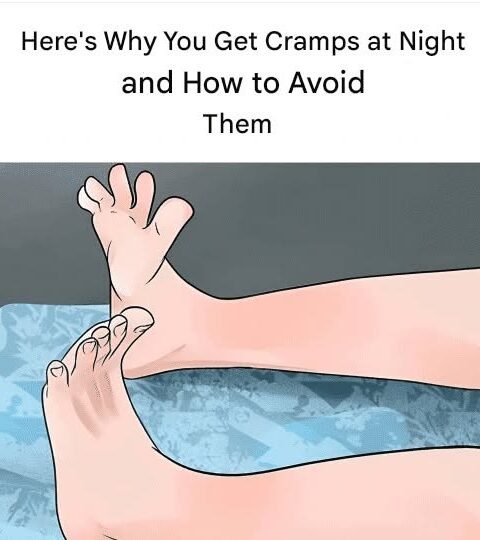
7. Unexplained Muscle Cramps
-
What it feels like: Sudden, painful spasms or tightening in the calves or feet, particularly at night.
-
Why it happens: Electrolyte imbalances (such as shifts in calcium, potassium, or magnesium) directly affect how nerve impulses stimulate and relax muscle fibers.
8. A Metallic Taste or Ammonia Breath
-
What it feels like: Food suddenly tasting “off” or metallic (especially meat), or noticing a persistent bad breath that smells faintly like ammonia.
-
Why it happens: A severe buildup of waste products in the blood (uremia) changes how foods taste and alters the chemical composition of your saliva.
9. Poor Appetite and Mild Nausea
-
What it feels like: A general lack of interest in eating, or feeling vaguely queasy, particularly in the mornings.
-
Why it happens: Uremic toxins can irritate the digestive tract lining, suppressing hunger cues and triggering mild stomach upset.
10. High Blood Pressure That Is Hard to Control
-
What it feels like: Blood pressure readings creeping up or staying stubbornly high despite medication adjustments.
-
Why it happens: The kidneys and your vascular system are deeply intertwined. Kidneys help regulate blood pressure; when they are stressed or damaged, they can trigger feedback loops that push blood pressure higher (and high blood pressure, in turn, damages kidneys further).
11. Mild Shortness of Breath
-
What it feels like: Getting winded more easily from minor exertion, like climbing a flight of stairs you used to manage effortlessly.
-
Why it happens: This can stem from two separate kidney complications: the oxygen-depleting effects of kidney-related anemia, or minor fluid accumulation backing up into the lung tissues.
12. Sleep Disturbances
-
What it feels like: Tossing and turning, restless legs, or waking up frequently because you are uncomfortable or need to use the restroom.
-
Why it happens: Toxin circulation, frequent nocturnal bathroom trips, and physical discomfort like itching or cramping conspire to severely fragment normal, restorative sleep cycles.
What to Do Next
If you are noticing a cluster of these subtle signs—especially if you have underlying risk factors like hypertension, diabetes, a family history of kidney disease, or are over age 65—it is worth scheduling a routine check-up.
A simple blood test (to check serum creatinine and calculate your eGFR) and a urine test (to check for protein) can quickly tell you how well your kidneys are filtering.
Are you or someone you know currently tracking lab work or experiencing any of these specific shifts?