Dramatic online titles love to frame common prescription medications as secretive or dangerous. Atorvastatin (widely known by its brand name, Lipitor) is one of the most thoroughly studied and prescribed statins in the world, playing a critical role in lowering LDL cholesterol and preventing cardiovascular events.
However, because millions of people take it daily, doctors and pharmacists often focus heavily on its primary benefit—protecting your heart—while sometimes glossing over the subtle, systemic side effects that patients experience in daily life.
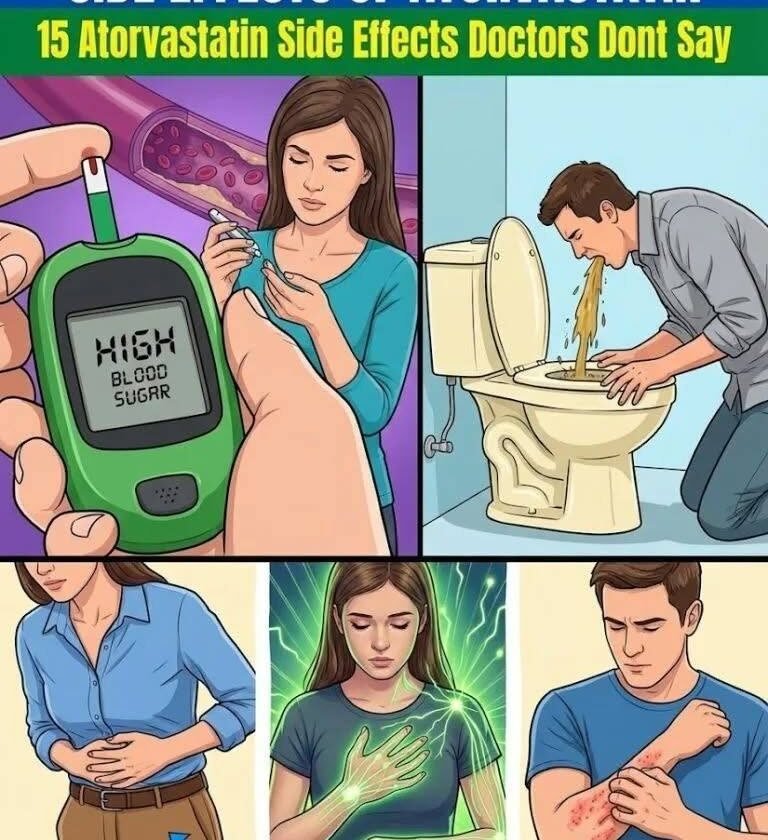
Here are 15 important side effects and physiological impacts associated with atorvastatin that you deserve to understand:
Muscle and Joint Impacts
-
Unexplained Muscle Aches and Soreness (Myalgia): The most common complaint among statin users. It feels like a dull, flu-like ache in large muscle groups (thighs, calves, or shoulders) without an obvious cause like heavy exercise.
-
Reduced Exercise Recovery: Muscles may feel heavier, tire out much faster during walks or workouts, and take significantly longer to bounce back afterward.
-
Joint Stiffness and Discomfort: While not a direct destruction of joint cartilage, some patients report increased stiffness or aching in smaller joints alongside muscle fatigue.
-
Tendon Sensitivity: Rare cases involve mild inflammation or tenderness around tendons (such as the Achilles tendon), requiring monitoring to prevent strain.
Metabolic and Endocrine Shifts
-
Mild Increases in Blood Sugar (Glycemic Elevation): Statins can slightly decrease insulin sensitivity, which may cause a minor upward drift in fasting blood glucose or HbA1c levels over time, particularly in individuals already predisposed to prediabetes.
-
Coenzyme Q10 (CoQ10) Depletion: By blocking the liver pathway that produces cholesterol, atorvastatin also blocks the production of CoQ10—an essential compound your cells (especially heart and muscle cells) use to generate cellular energy. This depletion is thought to drive statin-related muscle fatigue.
-
Subtle Liver Enzyme Elevation: In a small percentage of patients, routine blood work reveals a temporary, harmless bump in liver transaminases, indicating the liver is working hard to process the medication.
Neurological and Cognitive Sensations
-
“Brain Fog” or Mild Memory Lapses: Some patients report feeling slightly more forgetful, unfocused, or mentally sluggish, though large-scale clinical trials show mixed results on whether this is a direct pharmacological effect or secondary to poor sleep or aging.
-
Sleep Disturbances and Vivid Dreams: Changes in nighttime restlessness, difficulty staying asleep, or unusually vivid, cinematic dreams are frequently reported anecdotally by statin users.
-
Peripheral Neuropathy (Rare): In very rare cases, long-term use has been linked to tingling, numbness, or a “pins and needles” sensation in the hands or feet.
Gastrointestinal and General Systemic Effects
-
Mild Digestive Upset: Occasional bouts of nausea, mild gas, indigestion, or loose stools as the gut adjusts to the daily medication.
-
Unexplained Fatigue or Lethargy: A general feeling of systemic tiredness that doesn’t necessarily trace back to muscle pain or poor sleep.
-
Headaches: Mild, tension-type headaches that can occasionally occur during the first few weeks of starting the medication or following a dosage increase.
-
Allergic Skin Reactions: Rare instances of mild skin rashes, itching, or hives triggered by sensitivity to the medication or inactive tablet binders.
The Rare Red Flag
-
Severe Muscle Breakdown (Rhabdomyolysis): While extremely rare (affecting a tiny fraction of a percent of users), this is the most critical serious risk. It involves the rapid breakdown of skeletal muscle tissue, releasing muscle proteins into the blood that can overwhelm the kidneys. Symptoms include dark, tea-colored urine, profound muscle weakness, and intense, debilitating pain.
The Golden Rule: Never Stop Meds Without Consulting Your Doctor
If you experience any unusual muscle aches, fatigue, or side effects while taking atorvastatin, never stop taking your prescription abruptly on your own, as this can trigger a dangerous rebound spike in cardiovascular risk. Instead, talk openly with your physician or cardiologist. Often, adjusting the dosage, switching to a different statin, or introducing targeted supplements (like CoQ10, under medical guidance) can resolve side effects while keeping your heart protected.
Are you or a loved one currently taking a statin like atorvastatin, and have you noticed any unusual muscle or energy changes?