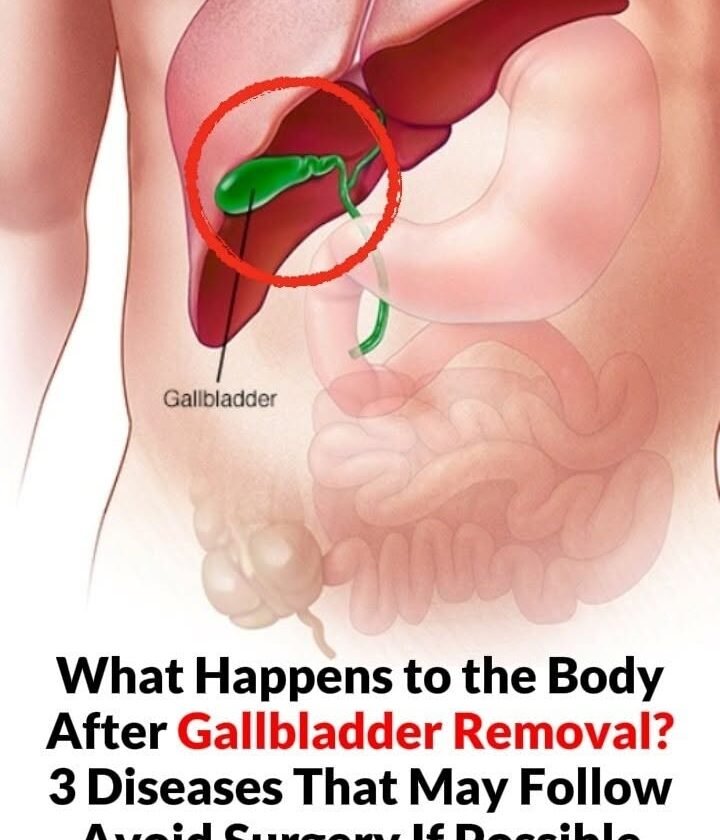
When a gallbladder is removed (a procedure known medically as a cholecystectomy), the body undergoes a fundamental shift in how it handles digestion.
Normally, the gallbladder acts as a reservoir—it stores bile produced by the liver and concentrates it, releasing it in controlled bursts when you eat fats. Without a gallbladder, bile drips continuously and unregulated directly from your liver into your small intestine.
While millions of people live comfortably after gallbladder removal, avoiding surgery when possible is always the primary goal of gastroenterologists, because removing the organ does not fix the root metabolic cause of why stones or sludge formed in the first place. When the body adapts to a missing gallbladder, several chronic gastrointestinal and metabolic shifts can sometimes follow:
## 3 Long-Term Conditions That Can Follow Gallbladder Removal
-
Bile Acid Malabsorption (Chronic Diarrhea)
-
What happens: Because bile is no longer released in measured amounts matched to your meals, excess bile continuously flows into the intestines. This unabsorbed bile irritates the lining of the colon, speeding up transit time and pulling water into the stool.
-
The result: This leads to chronic, watery diarrhea, urgent bowel movements, and cramping (often referred to as a component of post-cholecystectomy syndrome).
-
-
Non-Alcoholic Fatty Liver Disease (NAFLD) and Metabolic Stress
-
What happens: The gallbladder is closely linked to metabolic health and glucose regulation. Clinical studies suggest that removing the gallbladder can sometimes alter lipid (fat) metabolism and signaling pathways (like fibroblast growth factors tied to bile acids).
-
The result: Some research indicates an increased long-term risk of developing hepatic steatosis (fatty liver) or metabolic disturbances because the body’s native mechanism for regulating fat and cholesterol processing has been altered.
-
-
Duodenogastric Reflux and Gastritis
-
What happens: Continuous, unregulated bile flow doesn’t just travel downward; it can also reflux upward into the stomach and esophagus, especially when lying down.
-
The result: This can cause persistent upper abdominal burning, bitter-tasting reflux, nausea, and chronic irritation of the stomach lining (bile reflux gastritis).
-
## Why Doctors Prefer to Avoid Surgery (When Safe)
If gallstones are “silent” (causing no pain, inflammation, or blockage), doctors frequently recommend a wait-and-watch approach rather than immediate removal. Surgery is a definitive, life-saving necessity when acute inflammation (cholecystitis), severe pain (gallbladder attacks), or duct blockages occur, but removing the organ means:
-
You permanently lose your body’s specialized reservoir for fat digestion.
-
You may have to permanently modify your diet to smaller, lower-fat meals to prevent chronic digestive distress.
Protecting Gallbladder Health Naturally
To prevent stones from forming or worsening—potentially helping you avoid surgical intervention—lifestyle measures focus on the liver and bile composition:
-
Avoid Rapid Weight Loss: Crash dieting or very low-calorie diets cause the liver to dump extra cholesterol into bile, dramatically accelerating gallstone formation.
-
Prioritize Soluble Fiber: Foods like oats, beans, lentils, and apples bind to bile acids in the gut and help maintain healthy cholesterol balance.
-
Healthy Fats and Hydration: Regular intake of healthy fats (like olive oil or omega-3s) signals the gallbladder to empty fully on a regular schedule, preventing bile from sitting stagnant and crystallizing into sludge or stones.
Are you or a loved one currently managing gallstones, or trying to navigate lingering digestive changes after a recent surgery?