“80% of olive oil is FAKE!” — is that really true?
Not as a general statement. The “80%” figure is widely repeated online, but it is usually taken out of context.
The claim appears to trace back to reports about Italian extra-virgin olive oil, and even there, “80% fake” is an oversimplification. A review discussing the EU Food Fraud Network reported that about 80% of Italian extra-virgin olive oil on the market was described as fraudulent, but that does not mean 80% of all olive oil worldwide is counterfeit. PubMed Central (PMC)+1
There is also an important distinction between adulterated and misgraded oil. An oil can genuinely be olive oil but fail to meet the stricter requirements for “extra virgin.” UC Davis specifically notes that a frequently cited 2010 study was later misrepresented online as showing that most oils were “fake”; the study did not establish that the oils had been mixed with non-olive oils. UC Food Quality
What does “fake” olive oil actually mean?
There are several different problems:
- Adulteration: olive oil is mixed with cheaper vegetable oils.
- Mislabeling: ordinary/refined olive oil is sold as “extra virgin.”
- Quality deterioration: an originally genuine extra-virgin oil can deteriorate from age, heat, light or air and no longer meet extra-virgin standards.
- Origin/label issues: the oil may be genuine but its claimed origin or quality designation may be misleading.
The International Olive Council has specific chemical and sensory standards for determining whether an oil qualifies as extra virgin and maintains analytical methods for detecting adulteration. International Olive Council+1
Can you test your bottle at home?
Be skeptical of viral tricks such as:
“Put the olive oil in the refrigerator. If it solidifies, it’s real.”
That’s not a reliable authenticity test. Laboratory analysis is required to reliably detect adulteration. About Olive Oil
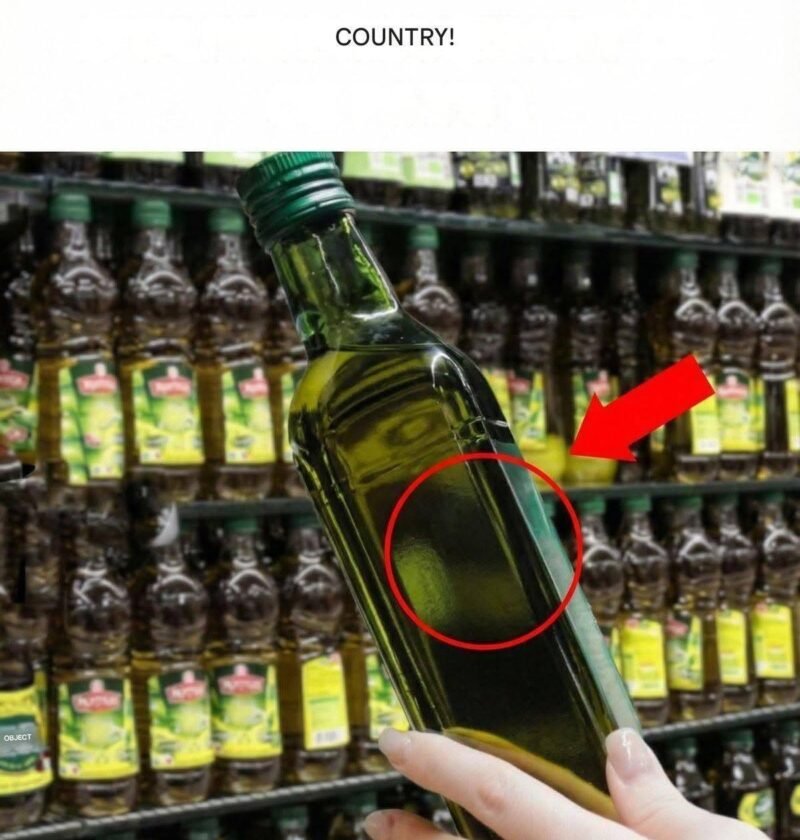
Color isn’t a reliable test either. Genuine quality olive oils can range from pale yellow to deep green depending on olive variety, maturity, region and processing. UC Food Quality
How to choose a better bottle
Look for:
- “Extra virgin olive oil” rather than simply “olive oil” if you specifically want EVOO.
- A harvest date, when available, rather than relying only on a best-before date.
- A reputable producer/importer with traceable origin.
- Proper packaging that protects the oil from light and heat.
- Recognized certification or quality seals where available.
- A bottle with a reasonably fresh harvest rather than one that has been sitting around for years.
And remember: price alone doesn’t prove authenticity.
So if you saw the headline “80% of olive oil is FAKE! Is yours one of them?”, treat it as a clickbait warning based on a real food-fraud problem, but not as evidence that 80% of the olive oil you can buy is counterfeit.
If you tell me the brand and exact bottle of olive oil you’re using in Pakistan, I can check its label, producer, origin and available certification/quality information and tell you what red flags to look for.
Sources