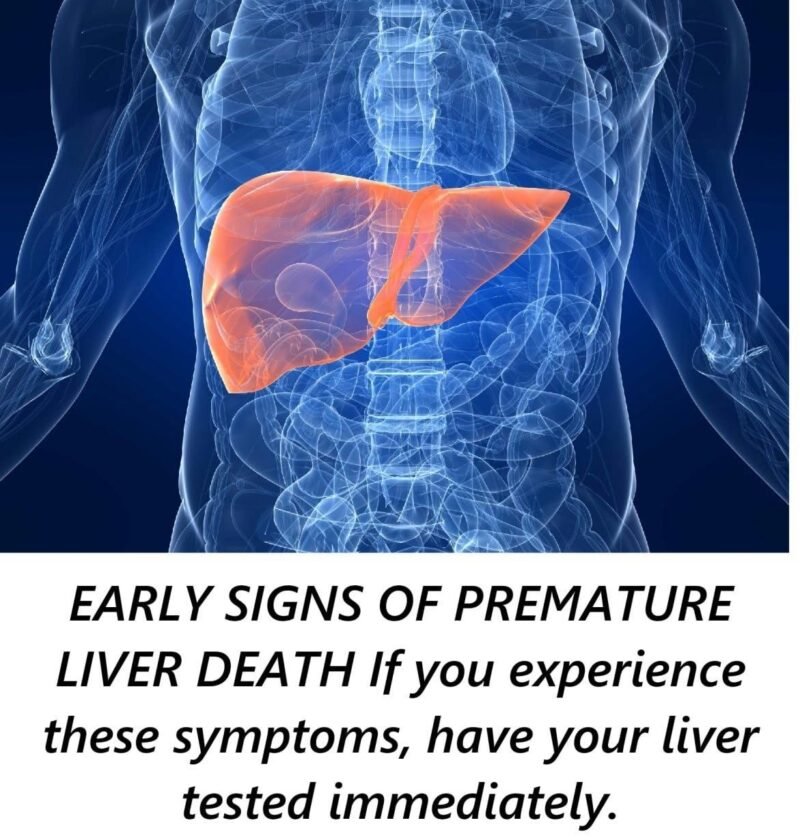
- Persistent Chronic Fatigue: A deep, unrelenting exhaustion that does not improve with sleep or rest, often caused by altered cellular metabolism and systemic inflammation.
-
Yellowing of the Skin and Eyes (Jaundice): The hallmark sign of a struggling liver, occurring when it fails to properly filter out bilirubin, a yellow pigment created by the breakdown of red blood cells.
-
Upper Right Abdominal Pain or Discomfort: A dull ache, pressure, or swelling under the right rib cage where the liver is situated, signaling inflammation or enlargement.
-
Swelling in the Abdomen (Ascites): A tight, heavy, or visibly distended belly caused by fluid accumulation resulting from high pressure in the liver’s blood vessels (portal hypertension).
-
Swollen Legs, Ankles, and Feet (Edema): Fluid retention in the lower extremities triggered by the liver’s reduced ability to produce vital proteins like albumin.
-
Dark Amber or Tea-Colored Urine: Urine that remains unusually dark even when you are well-hydrated, caused by excess bilirubin spilling over into the kidneys.
-
Pale, Clay-Colored, or Gray Stools: Stool that loses its normal brown hue because the liver or bile ducts are blocked, preventing bile from reaching the digestive tract.
-
Intense, Unexplained Itching (Pruritus): Pervasive skin itching all over the body—frequently worst on the palms and soles—caused by a buildup of bile salts circulating in the bloodstream.
-
Easy Bruising and Prolonged Bleeding: Frequent bruising from minor bumps or bleeding gums/nosebleeds that take longer to stop because the liver is no longer producing enough blood-clotting proteins.
-
Nausea, Vomiting, and Loss of Appetite: Ongoing digestive distress, a sudden distaste for food, or feeling nauseated as processed toxins begin to disrupt normal gastrointestinal function.
-
Mental Confusion and Brain Fog (Hepatic Encephalopathy): Difficulty concentrating, forgetfulness, or sudden confusion happening because a failing liver can no longer filter toxins, allowing them to affect brain function.
-
Visible Spider Angioma or Red Palms: Tiny, spider-like clusters of dilated blood vessels appearing near the surface of the skin, or persistent redness across the palms of the hands (palmar erythema) driven by shifting hormone levels.