Blog

## 15 Atorvastatin Side Effects You Should Know About The phrase **“hidden side effects your doctor might never mention”** is misleading. Atorvastatin has a well-established safety profile, and most people tolerate it well. It can, however, cause side effects ranging from mild digestive symptoms to rare but serious muscle or liver problems. nhs.uk+1 Possible side effects include: 1. **Muscle aches or soreness** 2. **Muscle cramps** 3. **Muscle weakness** 4. **Joint pain** 5. **Back or limb pain** 6. **Headache** 7. **Dizziness** 8. **Nausea** 9. **Indigestion or abdominal discomfort** 10. **Diarrhea or constipation** 11. **Fatigue or unusual weakness** 12. **Sleep problems or nightmares** 13. **Memory problems or difficulty concentrating** — reported by some patients, but these effects are uncommon and can have many other causes. nhs.uk+1 14. **Changes in liver blood tests** — usually detected through testing rather than symptoms. 15. **Increased blood glucose** — atorvastatin can raise blood sugar in some people. Medicines.org.uk ### 🚨 Symptoms you shouldn’t ignore **Severe or unexplained muscle pain, tenderness, or weakness**, particularly with **dark/red-brown urine, fever, or feeling very unwell**, can rarely indicate rhabdomyolysis, a serious muscle injury that can damage the kidneys. FDA Access Data+1 Also seek medical attention for **yellowing of the skin or eyes, unusually dark urine, severe abdominal pain, or a serious allergic reaction**. nhs.uk ### Don’t stop atorvastatin on your own Atorvastatin is prescribed to reduce cardiovascular risk, including the risk of heart attack and stroke. If you develop troublesome symptoms, a clinician can investigate other causes, check appropriate blood tests, adjust the dose, or consider another statin or cholesterol-lowering treatment. **Stopping treatment without medical advice can allow cholesterol levels to rise again.** nhs.uk+1 Certain medicines and grapefruit juice can also increase atorvastatin-related side-effect risk, so tell your doctor or pharmacist about **all medications, supplements, and herbal products** you’re taking. nhs.uk

15 Atorvastatin Side Effects You Should Know About

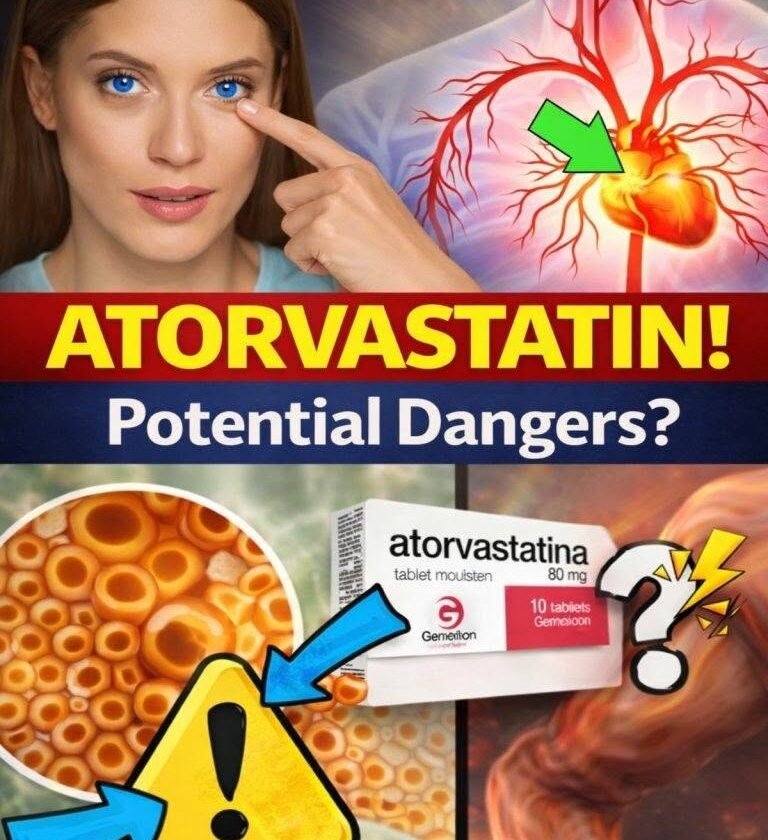
The phrase “hidden side effects your doctor might never mention” is misleading. Atorvastatin has a well-established safety profile, and most people tolerate it well. It can, however, cause side effects ranging from mild digestive symptoms to rare but serious muscle or liver problems. nhs.uk+1

Possible side effects include:

  1. Muscle aches or soreness

  2. Muscle cramps

  3. Muscle weakness

  4. Joint pain

  5. Back or limb pain

  6. Headache

  7. Dizziness

  8. Nausea

  9. Indigestion or abdominal discomfort

  10. Diarrhea or constipation

  11. Fatigue or unusual weakness

  12. Sleep problems or nightmares

  13. Memory problems or difficulty concentrating — reported by some patients, but these effects are uncommon and can have many other causes. nhs.uk+1

  14. Changes in liver blood tests — usually detected through testing rather than symptoms.

  15. Increased blood glucose — atorvastatin can raise blood sugar in some people. Medicines.org.uk

🚨 Symptoms you shouldn’t ignore

Severe or unexplained muscle pain, tenderness, or weakness, particularly with dark/red-brown urine, fever, or feeling very unwell, can rarely indicate rhabdomyolysis, a serious muscle injury that can damage the kidneys. FDA Access Data+1

Also seek medical attention for yellowing of the skin or eyes, unusually dark urine, severe abdominal pain, or a serious allergic reaction. nhs.uk

Don’t stop atorvastatin on your own

Atorvastatin is prescribed to reduce cardiovascular risk, including the risk of heart attack and stroke. If you develop troublesome symptoms, a clinician can investigate other causes, check appropriate blood tests, adjust the dose, or consider another statin or cholesterol-lowering treatment. Stopping treatment without medical advice can allow cholesterol levels to rise again. nhs.uk+1

Certain medicines and grapefruit juice can also increase atorvastatin-related side-effect risk, so tell your doctor or pharmacist about all medications, supplements, and herbal products you’re taking. nhs.uk


Leave a Reply

Your email address will not be published. Required fields are marked *