Kidney problems can sometimes
develop without obvious symptoms, especially early on. Many “strange signs” are nonspecific, so having
one doesn’t necessarily mean your kidneys are in trouble.
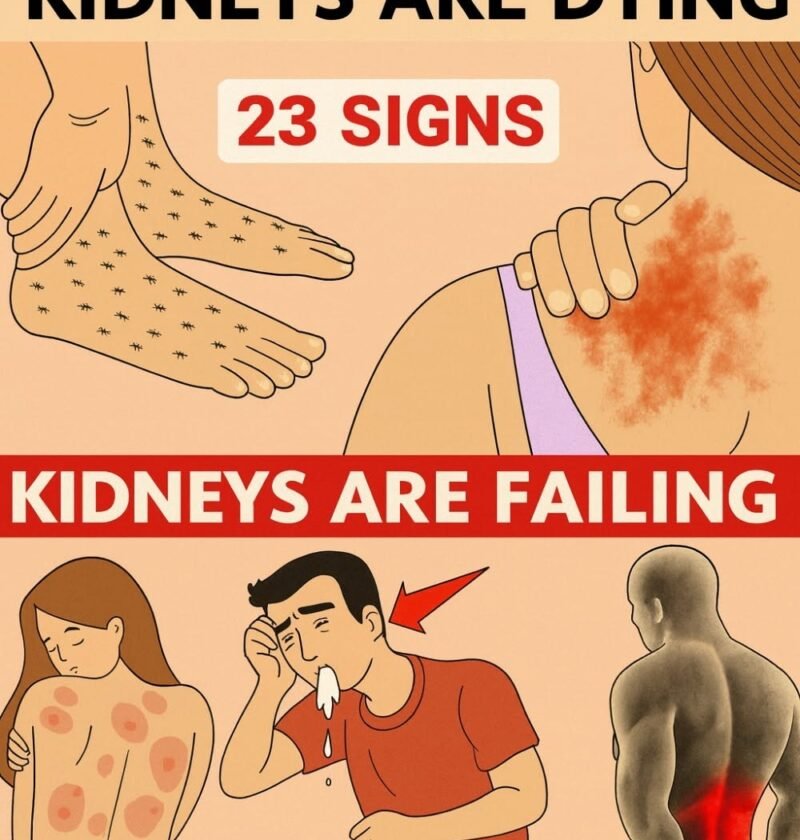
23 possible signs to know about
- Swelling around the ankles, feet, or legs — fluid retention can occur when the kidneys aren’t removing enough sodium and water.
- Puffy eyes, particularly in the morning — can sometimes be associated with protein leaking into the urine.
- Foamy or unusually bubbly urine — persistent foam can indicate excess protein in urine.
- Blood in the urine — urine may look pink, red, brown, or tea-colored.
- Urinating much more often — particularly at night.
- Urinating much less than usual — especially with swelling or dehydration.
- Changes in urine appearance — unusually dark, cloudy, or otherwise different urine can have many causes.
- Strong or unusual urine odor — this is more commonly related to diet, dehydration, or urinary infection than kidney disease.
- Fatigue or unusual weakness — kidney disease can contribute to anemia and toxin buildup.
- Trouble concentrating or feeling mentally foggy — more advanced kidney dysfunction can affect mental clarity.
- Persistent nausea or vomiting — particularly in more advanced kidney disease.
- Poor appetite or an unpleasant/metallic taste in the mouth.
- Itchy skin without an obvious cause — can occur with advanced kidney disease.
- Dry, irritated skin — sometimes associated with reduced kidney function.
- Muscle cramps or twitching — electrolyte disturbances can contribute.
- Shortness of breath — fluid buildup can affect the lungs; anemia can also contribute.
- High blood pressure — kidney disease can cause or worsen hypertension, while high blood pressure can damage the kidneys.
- Headaches or dizziness — may occur with uncontrolled blood pressure or anemia, although they’re very nonspecific.
- Feeling cold unusually often — anemia associated with kidney disease can contribute.
- Back or side pain — kidney stones or infections can cause pain, although chronic kidney disease itself often causes no pain.
- Painful urination — usually suggests a urinary infection or another urinary-tract problem rather than chronic kidney disease.
- Muscle weakness — can occur when kidney dysfunction causes significant electrolyte abnormalities.
- Unexplained weight changes — sudden weight gain may reflect fluid retention; weight loss can occur with significant illness and poor appetite.
The important part
Symptoms alone cannot tell you whether your kidneys are functioning normally. Simple testing is much more reliable:
- Blood test: creatinine and estimated glomerular filtration rate (eGFR)
- Urine test: albumin/protein and blood
- Blood pressure measurement
If you have persistent foamy/bloody urine, new swelling, markedly reduced urination, or unexplained fatigue, it’s worth discussing kidney testing with a healthcare professional. Severe shortness of breath, confusion, chest pain, or almost no urine warrants urgent medical attention.