5 Common Mistakes That Can Affect Balance in Older Adults
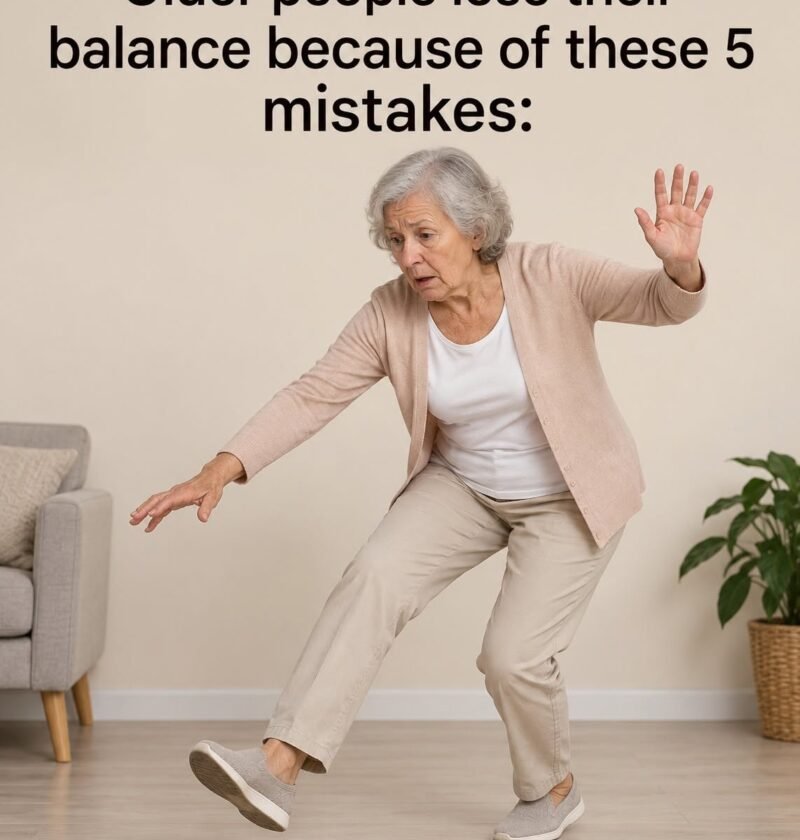
Balance naturally can become more challenging with age, but some everyday habits can make the problem worse. The good news is that many are modifiable.
1. Staying too inactive
Avoiding walking or exercise because of fear of falling can gradually reduce leg and core strength, coordination, and confidence. Regular movement and appropriately challenging strength and balance exercises can help maintain function.
2. Ignoring vision changes
Poor vision can make it harder to detect steps, obstacles, and changes in the floor. Regular eye examinations and keeping glasses prescriptions current can help.
3. Wearing unsafe footwear
Loose slippers, worn-out soles, high heels, or shoes without adequate support can increase the risk of slipping or losing balance. Well-fitting, supportive shoes with good traction are generally safer.
4. Getting up too quickly
Standing suddenly from a bed or chair can cause a temporary drop in blood pressure (orthostatic hypotension), resulting in dizziness or unsteadiness. Sit at the edge of the bed for a moment and stand gradually.
5. Overlooking medications and health conditions
Some medications—including certain blood-pressure medicines, sedatives, sleep medicines, and others—can cause dizziness or drowsiness. Inner-ear disorders, neuropathy, arthritis, Parkinson’s disease, and other conditions can also affect balance. Don’t stop medication yourself; ask a clinician or pharmacist to review it.
A simple prevention strategy
For older adults, combining leg-strengthening exercises, balance training, regular walking, good lighting, clear pathways at home, appropriate footwear, and medication/vision reviews can substantially improve safety.
If balance problems are new, rapidly worsening, or accompanied by sudden weakness, numbness, trouble speaking, severe headache, or vision loss, seek urgent medical attention because these can be signs of a stroke.