15 Atorvastatin Side Effects You Should Know About
Atorvastatin is widely used to lower LDL cholesterol and reduce the risk of heart attack and stroke. Most people tolerate it well, but side effects can occur. The phrase “hidden side effects your doctor might never mention” is misleading—the possible adverse effects are described in official prescribing information and patient leaflets. nhs.uk+1
15 possible side effects
- Muscle aches or soreness
- Muscle cramps or spasms
- Muscle weakness
- Joint pain
- Headache
- Dizziness
- Nausea
- Indigestion or stomach discomfort
- Constipation or diarrhea
- Fatigue or unusual weakness
- Sleep problems
- Numbness or tingling
- Changes in taste
- Blurred or other visual disturbances
- Changes in blood sugar levels
Several of these are relatively uncommon, and not everyone taking atorvastatin will experience them. nhs.uk+2
🚨 The symptoms you shouldn’t ignore
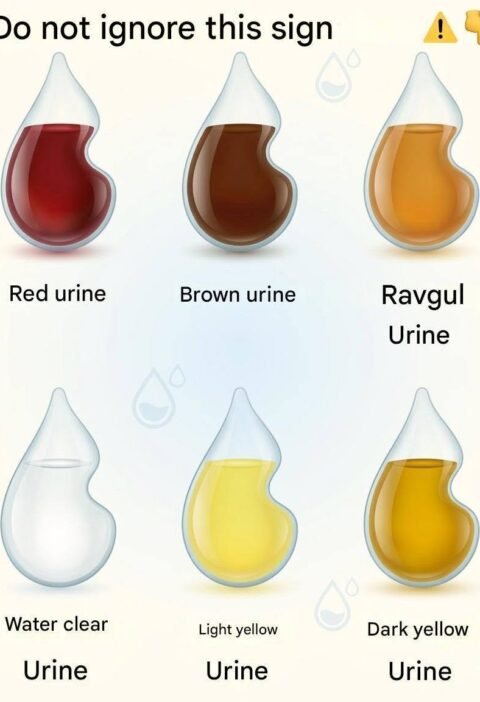
Rarely, atorvastatin can cause serious muscle injury (rhabdomyolysis). Seek medical advice promptly for unexplained severe muscle pain, tenderness, weakness, or cramps—especially if you feel unwell, have a fever, or notice red/brown urine. FDA Access Data+1
Liver problems are also uncommon but important. Yellow skin or eyes, dark urine, pale stools, unusual tiredness, loss of appetite, or upper-abdominal pain should be medically assessed. nhs.uk+1
🍊 Don’t overlook interactions
Some medicines can increase the risk of atorvastatin side effects. These include certain antibiotics and antifungals, some antiviral medicines, ciclosporin, warfarin, and certain heart medicines. Large amounts of grapefruit juice can also increase atorvastatin exposure. nhs.uk
Most important: don’t stop it on your own
Atorvastatin is often prescribed long-term because lowering cholesterol helps prevent cardiovascular events. If side effects are bothering you, talk with your doctor or pharmacist; the dose may be adjusted or another statin may be considered. nhs.uk+1
One important distinction: experiencing muscle pain while taking atorvastatin doesn’t automatically mean the medicine is damaging your muscles. Your clinician can determine whether the symptom is medication-related and whether testing or a treatment change is appropriate.