10 Possible Warning Signs of Artery Blockage
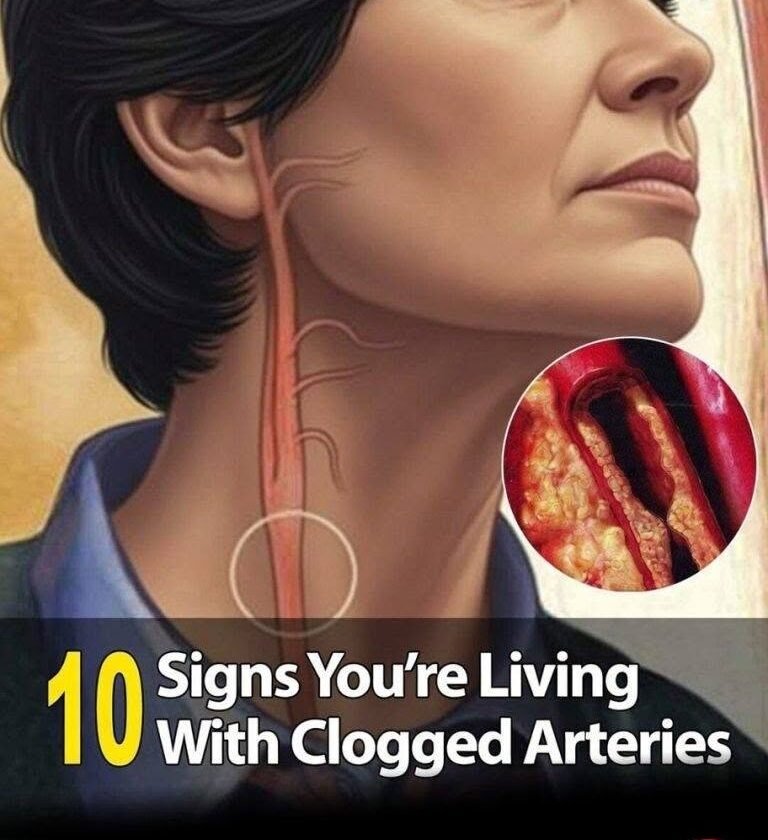
“Blocked arteries” usually refers to atherosclerosis, where plaque builds up inside arteries and can restrict blood flow. Importantly, atherosclerosis can cause no symptoms until the blockage is significant, so symptoms alone cannot reliably tell you whether an artery is blocked.
Possible signs depend on which arteries are affected:
-
Chest pressure or pain — particularly with exertion, which can indicate reduced blood flow to the heart.
-
Shortness of breath — especially during physical activity.
-
Pain spreading to the arm, shoulder, neck, jaw, or back — particularly when accompanied by chest discomfort.
-
Unusual fatigue with exertion — sometimes associated with reduced blood flow to the heart.
-
Leg pain while walking that improves with rest — a classic symptom of peripheral artery disease., symptoms such as leg pain or fatigue have many possible causes. A healthcare professional may need blood-pressure measurements, blood tests, examination, and
-
Coldness or numbness in a foot or leg — especially if one side is noticeably different from the other.
-
Slow-healing wounds on the feet or legs — can occur when circulation is significantly impaired.
-
Weak or difficult-to-feel pulses in the legs — a finding that should be assessed by a healthcare professional.
-
Sudden weakness, numbness, trouble speaking, or vision loss — can occur when blood flow to the brain is interrupted and requires emergency attention.
-
Erectile dysfunction — in some men, reduced blood flow can be an early sign of vascular disease.
🚨 Don’t wait with emergency symptoms
Chest pressure/pain, severe shortness of breath, sudden one-sided weakness or numbness, difficulty speaking, or sudden vision loss can signal a heart attack or stroke. Seek emergency medical care immediately rather than trying to treat the problem at home.
Also, symptoms such as leg pain or fatigue have many possible causes. A healthcare professional may need blood-pressure measurements, blood tests, examination, and sometimes imaging to determine whether arterial disease is present.