10 early warning signs of a stroke everyone should know
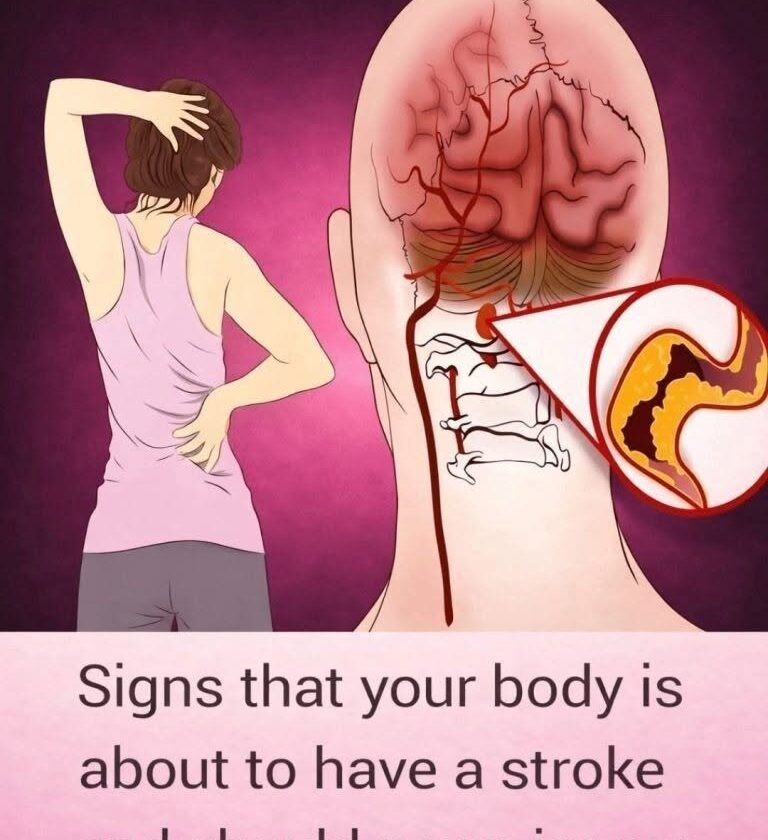
A stroke happens when blood flow to part of the brain is blocked or a blood vessel in the brain ruptures. Brain cells can begin to suffer damage within minutes, so recognizing the symptoms and getting emergency treatment quickly can save a life and reduce disability.
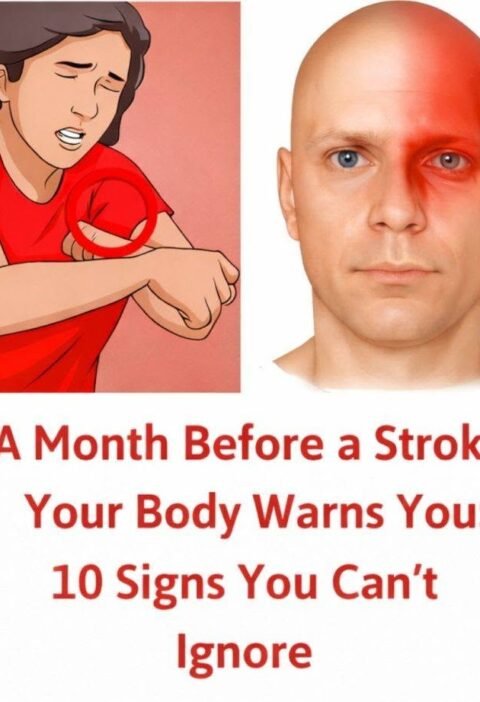
One side of the face may sag, or the smile may look uneven. Ask the person to smile and check whether both sides move normally.
One arm may feel weak, numb or heavy, or drift downward when both arms are raised. Weakness may also affect a leg or the entire side of the body.
Speech may suddenly become unclear, words may come out incorrectly, or the person may be unable to speak or understand simple sentences.
Blurred or double vision, loss of vision in one or both eyes, or a sudden visual disturbance can be a stroke warning sign.
The person may suddenly become unsteady, stumble, struggle to walk or lose coordination. Do not dismiss sudden symptoms as ordinary aging.
A sudden, extremely painful headache with no known cause can signal bleeding in or around the brain. It requires immediate emergency assessment.
The person may become disoriented, have difficulty understanding what is happening or struggle to follow a conversation. Sudden confusion has several possible causes, including stroke, and must be assessed urgently.
Someone who normally communicates well may suddenly be unable to understand familiar words or instructions, even if they can still hear you.
New clumsiness, difficulty controlling the hands or legs, or an inability to walk normally may indicate a problem affecting the brain’s movement and coordination pathways.
These symptoms can occur with certain strokes, especially those affecting the back of the brain. They are not specific to stroke, but sudden onset with imbalance, double vision, severe headache or difficulty walking is particularly concerning.
These signs are based on recognized stroke symptoms. Not every person will experience all ten, and some strokes occur without the more familiar facial or arm symptoms.
What to do if you suspect a stroke: Remember B.E. F.A.S.T.
B
Is the person suddenly dizzy or unable to walk steadily?
E
Is there sudden vision loss, double vision or another abrupt visual change?
F
Does one side of the face droop when smiling?
A
Does one arm drift down or feel weak?
S
Is speech slurred, unusual or difficult to understand?
If you notice even one sudden stroke warning sign, seek emergency help immediately. Do not wait for more symptoms.
Three critical rules that could save a life
-
Act immediately. Call your local emergency number and request an ambulance. Do not drive yourself or the affected person if an ambulance is available.
-
Record when symptoms began. If the person woke up with symptoms, note when they were last known to be well.
-
Do not wait for symptoms to disappear. Even if the person improves within minutes, they may have experienced a transient ischemic attack (TIA), sometimes called a mini-stroke. This is also a medical emergency. Do not give food, drink or medication by mouth if swallowing may be impaired, and do not give aspirin unless emergency clinicians advise it.CDC+2
The bottom line: A stroke can happen at any age, although risk increases as people get older. Knowing the warning signs, controlling blood pressure, managing diabetes and cholesterol, and seeking prompt medical care can make a real difference.
For more information, see the CDC’s official guide to stroke warning signs .