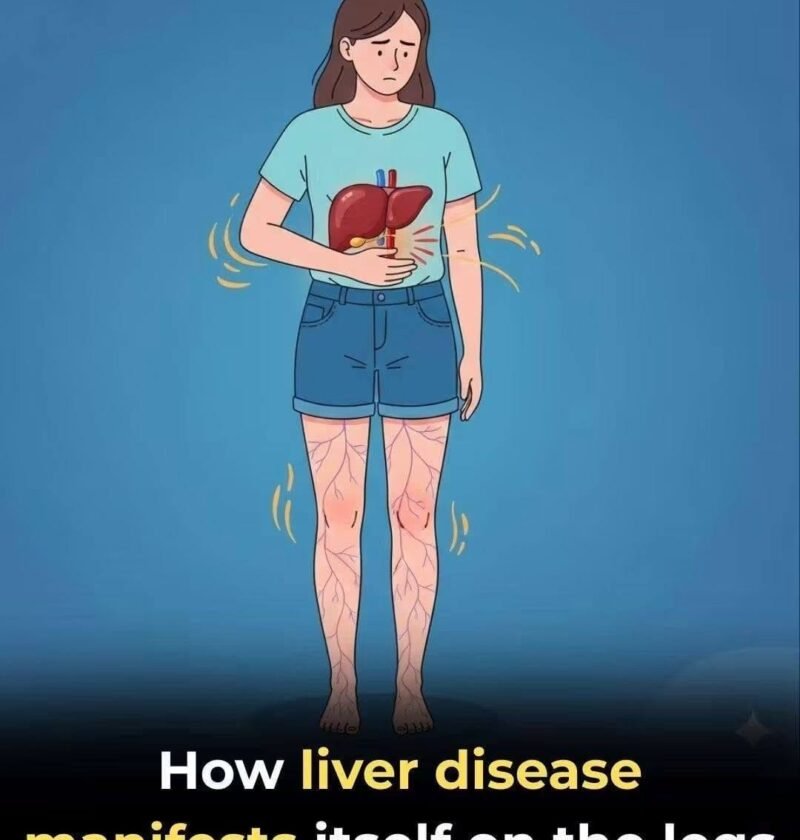
When viral health articles warn that your legs are “crying for help,” they are usually highlighting how your lower extremities act as an early warning system for cardiovascular, circulatory, metabolic, or neurological health. Because your legs are the furthest body parts from your heart and bear your entire weight, they are often the first to show visible or physical signs when something systemic is going wrong.
5 Critical Leg Warning Signals You Shouldn’t Ignore
-
1. Persistent Swelling (Edema) in Both Legs and Ankles:
-
What it means: While standing all day or a long flight can cause mild swelling, persistent fluid retention in both legs can point toward heart failure, kidney disease, or chronic venous insufficiency. When your heart pump weakens or valves in your leg veins fail, gravity pulls blood and fluid downward, causing noticeable swelling where a finger leaves an indent (“pitting edema”).
-
-
2. Cramping, Pain, or Heaviness When Walking (Claudication):
-
What it means: If your calves, thighs, or buttocks cramp, ache, or feel profoundly heavy every time you walk a certain distance—and the pain goes away quickly when you rest—it is a classic sign of Peripheral Artery Disease (PAD). This happens when plaque builds up in your arteries, restricting blood and oxygen flow to your leg muscles.
-
-
3. Shiny, Hairless Skin and Cold Feet:
-
What it means: If the skin on your lower legs becomes unusually smooth, tight, shiny, and loses its hair growth, accompanied by feet that feel constantly cold to the touch, it strongly suggests chronic poor arterial circulation. Without adequate blood supply, skin and hair follicles cannot thrive.
-
-
4. Slow-Healing Sores or Ulcers on Your Shins or Feet:
-
What it means: A minor scratch or bug bite on your leg that refuses to heal over weeks or months is a red flag. Poor circulation (from diabetes or vascular disease) starves your tissues of the oxygen and white blood cells needed for repair, turning minor wounds into chronic ulcers.
-
-
5. Sudden, Unexplained Pain, Swelling, and Redness in One Leg:
-
What it means: If one calf or thigh suddenly becomes swollen, warm to the touch, red, and intensely painful or tender, it can be a symptom of a Deep Vein Thrombosis (DVT)—a dangerous blood clot in a deep vein.
-
⚠️ Emergency Note: If a piece of a DVT breaks loose, it can travel to your lungs (pulmonary embolism), which is a life-threatening medical emergency. Seek immediate care if you experience this combined with sudden shortness of breath.
-
⚠️ A Quick Medical Reality Check
While these symptoms can point to serious underlying conditions, they can also stem from more common, benign causes like muscle fatigue, minor strain, dehydration, or standing for prolonged periods. However, if leg pain or swelling is persistent, asymmetrical (affecting one leg much more than the other), or accompanied by chest pain or shortness of breath, it is vital to consult a physician for a proper evaluation.