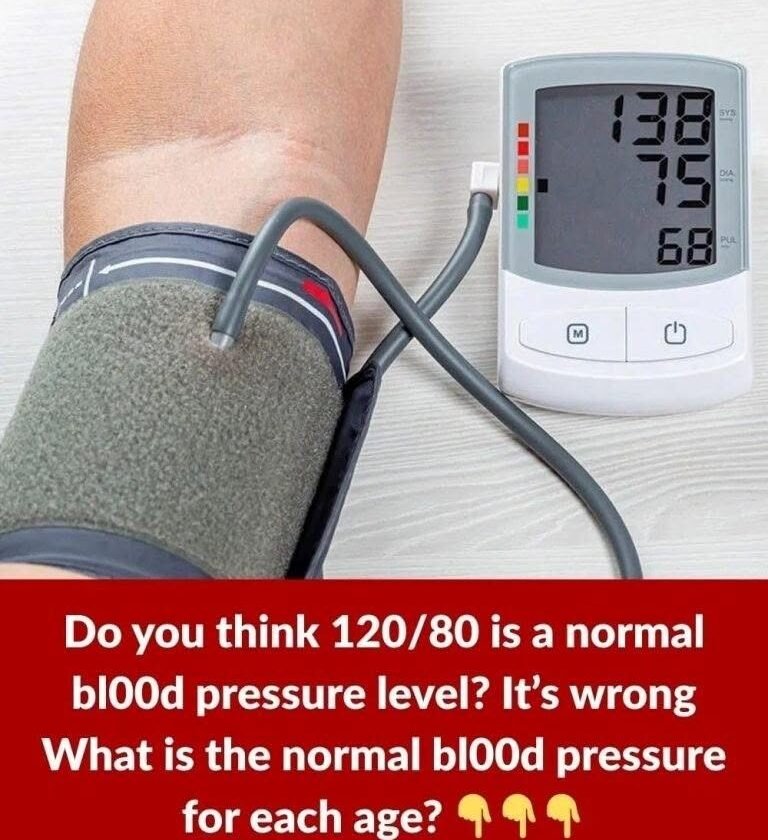
Understanding what constitutes a “normal” blood pressure reading can be confusing, especially since viral health charts often suggest that acceptable blood pressure rises automatically as you get older.
The medical reality is more nuanced: while blood pressure naturally tends to shift slightly with age due to changes in arterial stiffness, optimal blood pressure targets remain consistent for healthy adults, though diagnostic thresholds and treatment goals are tailored by doctors based on individual health risks.
Understanding Blood Pressure Numbers
Before looking at age categories, it helps to remember what the two numbers mean:
-
Systolic (Top Number): Measures the pressure in your arteries when your heart beats and pumps blood.
-
Diastolic (Bottom Number): Measures the pressure in your arteries when your heart rests between beats.
General Blood Pressure Categories for Adults
According to guidelines from major cardiovascular organizations (such as the American Heart Association), adult blood pressure is categorized as follows:
| Category | Systolic (Top) | Diastolic (Bottom) | |
| Normal | Less than 120 mmHg | AND | Less than 80 mmHg |
| Elevated | 120–129 mmHg | AND | Less than 80 mmHg |
| Stage 1 Hypertension | 130–139 mmHg | OR | 80–89 mmHg |
| Stage 2 Hypertension | 140 mmHg or higher | OR | 90 mmHg or higher |
| Hypertensive Crisis | Higher than 180 mmHg | AND/OR | Higher than 120 mmHg |
How Blood Pressure Changes Across the Lifespan
While the “ideal” target stays under 120/80 mmHg, average readings shift across different age groups:
1. Children and Teens (Ages 1 to 17)
-
How it works: Blood pressure in youth is evaluated differently than in adults. Pediatric normal ranges are not a single fixed number; instead, they are calculated based on a child’s age, height, and gender percentiles using specialized medical charts. A reading that is normal for a tall 14-year-old might be high for a shorter 10-year-old.
2. Young Adults (Ages 18 to 39)
-
The baseline: For most young adults, blood pressure should ideally stay well below 120/80 mmHg. Maintaining a healthy baseline during these years significantly reduces long-term strain on the heart and arteries. However, stress, lack of sleep, high sodium intake, and heavy caffeine use can cause temporary spikes.
3. Middle-Aged Adults (Ages 40 to 59)
-
The shift: During middle age, blood vessels naturally lose some of their elasticity, becoming slightly stiffer. This often causes the systolic (top) number to creep up. Doctors pay close attention to this age bracket because untreated hypertension during these decades is a major risk factor for future cardiovascular disease.
4. Older Adults (Ages 60 and Over)
-
The nuance: It is very common for older adults to experience isolated systolic hypertension (where the top number is high, e.g., 140+, but the bottom number remains normal, under 80), caused by stiffening of the major arteries.
-
Treatment targets: While the goal is still to keep blood pressure well-managed, geriatric guidelines often take a personalized approach. For robust older adults, a target below 130/80 mmHg is still standard, but for frail seniors or those prone to dizziness and fainting spells, doctors may set slightly more relaxed targets to prevent dangerous falls caused by sudden blood pressure drops.
Why Single Readings Can Be Misleading
Blood pressure is not a static number—it fluctuates constantly throughout the day depending on:
-
Physical activity and stress
-
Caffeine, alcohol, or heavy meals
-
Temperature and pain
-
“White Coat Syndrome”: Experiencing an anxiety-induced spike in blood pressure simply because a nurse or doctor is taking it in a clinical setting.
Because of these natural fluctuations, doctors diagnose hypertension based on multiple readings taken over several separate visits, often recommending home monitoring with a validated upper-arm cuff to get an accurate picture.
When to Seek Immediate Medical Help
If a blood pressure reading exceeds 180/90 mmHg, have the person rest for five minutes and re-test. If the reading remains at or above 180/120 mmHg—especially if it is accompanied by warning signs like chest pain, shortness of breath, sudden severe headache, numbness, weakness, or changes in vision—call emergency services immediately. This indicates a hypertensive crisis, which requires urgent medical intervention.