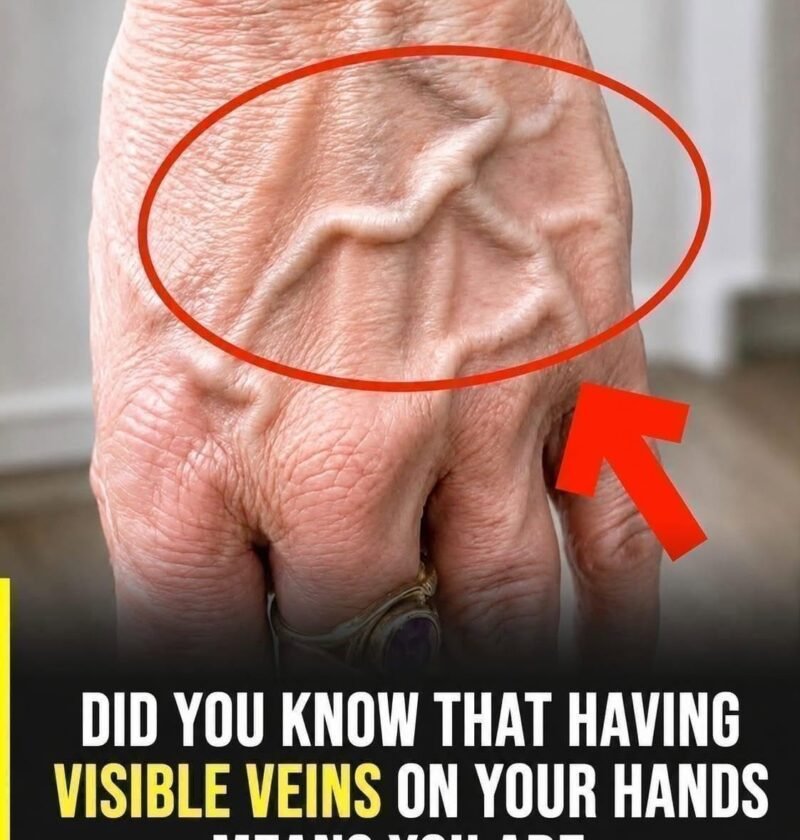
Visible veins are an extremely common occurrence, ranging from harmless cosmetic features to indicators of underlying vascular conditions. Understanding what causes them—and knowing when to seek professional medical advice—can help you manage your vascular health effectively.
Why Do Veins Become Visible?
Veins naturally lie beneath the skin, but certain factors can cause them to push closer to the surface or become enlarged:
-
Genetics and Skin Tone: Fair skin makes veins naturally more noticeable. If your parents or grandparents had prominent veins, you are more likely to develop them too.
-
Aging and Collagen Loss: As we age, skin thins and loses elasticity, making underlying structures like veins much more prominent.
-
Hormonal Fluctuations: Pregnancy, menopause, and hormonal birth control affect vein walls and valves due to surges in progesterone and estrogen.
-
Lifestyle Factors: Prolonged standing or sitting, lack of physical activity, and heavy lifting increase pressure on lower-extremity veins.
-
Body Fat Percentage: Lower levels of subcutaneous fat naturally bring veins closer to the surface (frequently seen in athletes or lean individuals).
Common Types of Visible Veins
| Type | Appearance | Common Location | Typical Cause |
| Spider Veins (Telangiectasias) | Tiny, red, blue, or purple lines resembling webs or branches | Face, legs | Sun damage, genetics, minor valve weakness |
| Varicose Veins | Thick, bulging, twisted, and raised cords | Calves, thighs | Weak or damaged one-way valves in the veins |
| Reticular Veins | Flat, blue-green feeder veins beneath the skin surface | Knees, ankles, thighs | Mild venous insufficiency or increased pressure |
Warning Signs: When Visible Veins Indicate an Issue
While surface spider veins are usually harmless, bulging varicose veins can signify chronic venous insufficiency (CVI)—a condition where blood struggles to pump efficiently back up to the heart, causing it to pool.
Red-flag symptoms to watch for include:
-
Persistent aching, heaviness, or cramping in the legs (especially after long periods of sitting or standing).
-
Swelling (edema) in the lower legs, ankles, or feet by the end of the day.
-
Itching, burning, or skin discoloration (brownish staining) around the lower calves.
-
Restless legs or throbbing sensations in the evening.
When to Seek Immediate Medical Advice
Consult a doctor or a vascular specialist if you experience any of the following severe symptoms:
-
Sudden swelling and pain: Rapid, painful swelling in one leg can indicate a blood clot, such as deep vein thrombosis (DVT), which requires urgent medical intervention.
-
Skin ulcers or open sores: Sores that develop near the ankle that are slow to heal.
-
Bleeding: If a varicose vein near the surface ruptures and bleeds.
-
Hard, warm, or tender cords: Signs of superficial thrombophlebitis (inflammation of a vein due to a blood clot).