

Blog

Who Is Most at Risk of Night Cramps?

If you mean nighttime leg cramps (painful muscle spasms that occur during sleep), they become more common with age, but several groups are at higher risk. People most at risk Older adults, particularly people over 60. People who are physically active or overuse their muscles, especially after strenuous exercise. Pregnant women, particularly later in pregnancy. …

Blog

#1 Vitamin to Eliminate Swollen Legs and Ankles

There is no single vitamin that reliably eliminates swollen legs or ankles. Swelling (edema) is usually caused by fluid buildup, and common causes include prolonged sitting/standing, high salt intake, certain medications, vein problems, and sometimes heart, kidney, liver, thyroid, or blood-clot problems. Mayo Clinic+1 What about vitamins? Vitamin B1 (thiamine): Deficiency can contribute to swelling …

Blog

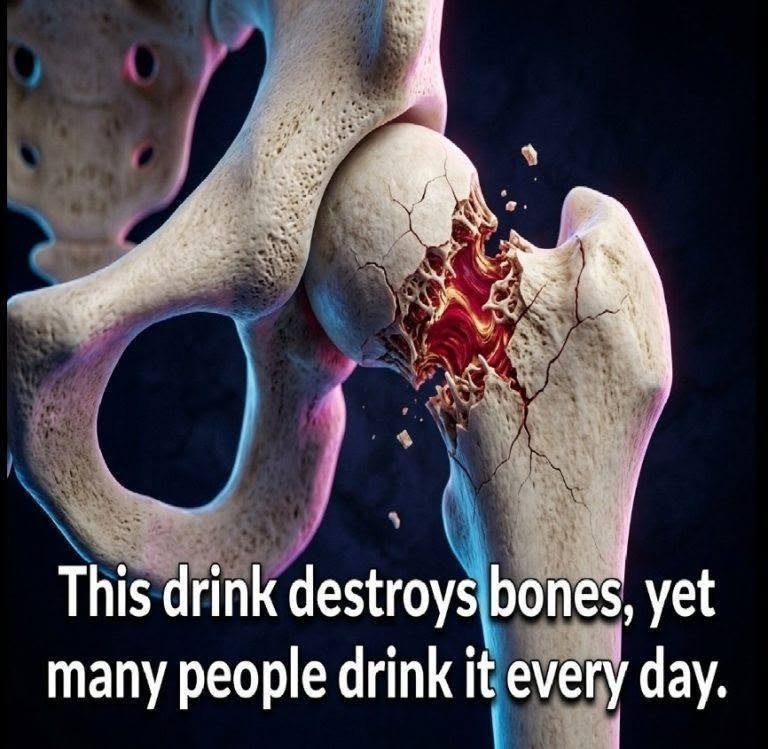
The five drinks that are most harmful to your bones, according to health experts.

There isn’t a scientifically established “top five” ranking, but bone-health experts consistently flag excessive intake of certain drinks. The main concerns are alcohol, sugary/cola soft drinks, and very high caffeine intake. 5 drinks to limit for better bone health Cola soft drinks 🥤 Cola consumption has been associated with lower bone mineral density in some …

Blog

Navigating Vitamin Habits: Understanding Stroke Risk for Older Adults and Brain Health

Vitamin habits, stroke risk, and brain health in older adults For older adults, vitamins can support overall health, but more is not necessarily better. Some supplements can interact with medicines or cause harm when taken in excessive amounts. Avoid megadoses. Taking large amounts of vitamins—especially vitamins A, E, B6, or niacin—without medical guidance can cause …

Blog

High blood pressure, high cholesterol: Avoid these 3 habits in the morning

If you have high blood pressure and high cholesterol, three morning habits worth avoiding are: Skipping prescribed medicines — Take blood-pressure or cholesterol medication exactly as prescribed. Don’t change or stop it based on how you feel. Eating a high-sodium, high-saturated-fat breakfast — Limit foods such as processed meats, salty packaged foods, butter/ghee-heavy dishes, and …