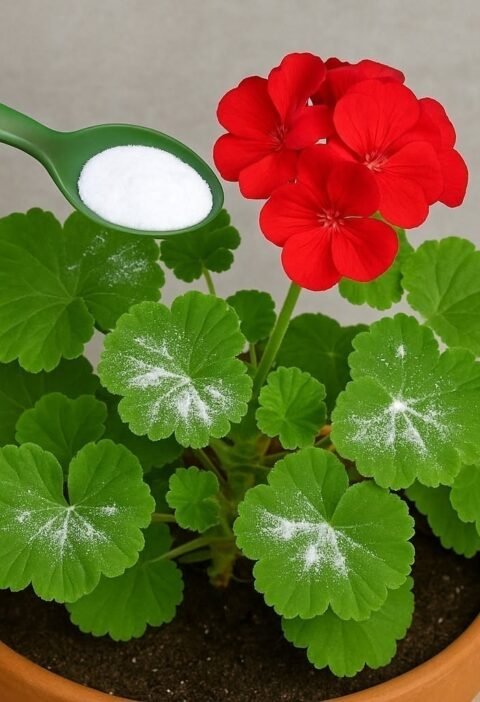
To break down the exact mechanics of these viral videos: creators typically instruct you to mix things like **garlic powder, crushed cloves, honey, or rice water**, and then spoon a small amount directly onto the orchid’s potting medium or roots under the promise of “non-stop, explosive blooms”.
Examining the actual breakdown reveals why this viral recipe behaves the way it does in a home environment:
### The Step-by-Step Breakdown of the “Hack”
1. **The Recipe:** A common variation involves dissolving about a teaspoon of garlic powder (or fresh crushed garlic and a drop of honey) into water, letting it steep, and applying a spoonful or a small pour to the plant.
2. **The Claim:** Videos promise zero mold, five times more flowers, and continuous year-round growth.
3. **The Biological Reality:**
* **Garlic compounds** (like allicin) do have mild, natural antifungal properties, which is why some gardeners historically used weak dilutions to deter pests. However, garlic contains virtually none of the primary macronutrients (nitrogen, phosphorus, and potassium) that a plant requires to build cellular tissue or construct flower spikes.
* **Honey and starches** introduce raw sugars into the pot. Instead of feeding the orchid, organic sugars feed opportunistic bacteria, fungi, and **fungus gnats**. Pouring sugary solutions onto orchid bark quickly triggers mold growth and rots the sensitive root system.
### What Actually Dictates Orchid Blooms?
Orchids do not respond to kitchen tonics because their blooming cycle is strictly governed by **genetics and environmental triggers**. For common indoor orchids (like *Phalaenopsis*), a flower spike is triggered by experiencing a slight, consistent drop in nighttime temperatures (about 10°F cooler than daytime) over a few weeks during the autumn months.
If you want reliable, stunning blooms year after year, skip the kitchen pantry experiments and stick to proper foundational care: bright indirect light, chunky bark media that lets air flow to the roots, and a balanced, commercial water-soluble fertilizer diluted to quarter-strength during their growing season.
*Have you ever experimented with any other viral household hacks for your indoor plants or garden?*