How to get rid of phlegm and mucus naturally
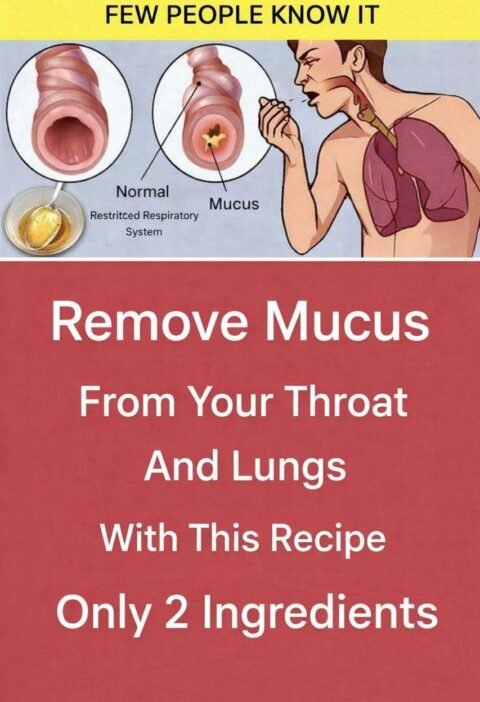
Phlegm is your body’s way of clearing irritants and infections from the airways. The goal isn’t necessarily to eliminate all mucus, but to make thick mucus easier to move out and address what’s causing it.
Things you can try
-
Drink plenty of fluids. Water and warm liquids can help keep mucus thinner and easier to cough up.
-
Use humidified air. A cool-mist humidifier can reduce irritation from dry air. Clean it regularly to prevent mold and bacteria.
-
Try saline for nasal congestion. A saline nasal spray or rinse can help if mucus is coming from postnasal drip. For nasal irrigation, use distilled, sterile, or previously boiled and cooled water.
-
Honey for cough: For adults and children over 1 year, a spoonful of honey may soothe a cough. Never give honey to an infant under 1 year.
-
Avoid smoke and vaping. They can increase airway irritation and mucus.
-
Gentle movement: Walking and other light activity can help mobilize respiratory secretions when you’re otherwise well enough to exercise.
-
Sleep with your head slightly elevated if mucus or coughing is worse when lying down, particularly if reflux or postnasal drainage may be contributing.
What about ginger, lemon, or “detox” drinks?
Warm tea with ginger or lemon can be soothing and help you take in fluids, but there’s no special recipe that cleanses mucus from the lungs. Avoid aggressive “lung detox” mixtures or essential oils taken internally.
Also, yellow or green phlegm doesn’t automatically mean you need antibiotics. Mucus color can change during ordinary viral infections and inflammation.
🚨 When to seek medical care
Get medical advice if your cough/phlegm persists for several weeks, keeps returning, or is accompanied by fever, wheezing, unexplained weight loss, or worsening shortness of breath.
Seek urgent care for severe difficulty breathing, chest pain, coughing up significant amounts of blood, or rapidly worsening symptoms.
Bottom line: The most useful natural measures are adequate fluids, humidified air, saline for nasal symptoms, honey for cough when appropriate, and avoiding smoke. Persistent chest mucus should be evaluated rather than repeatedly treated with home remedies.