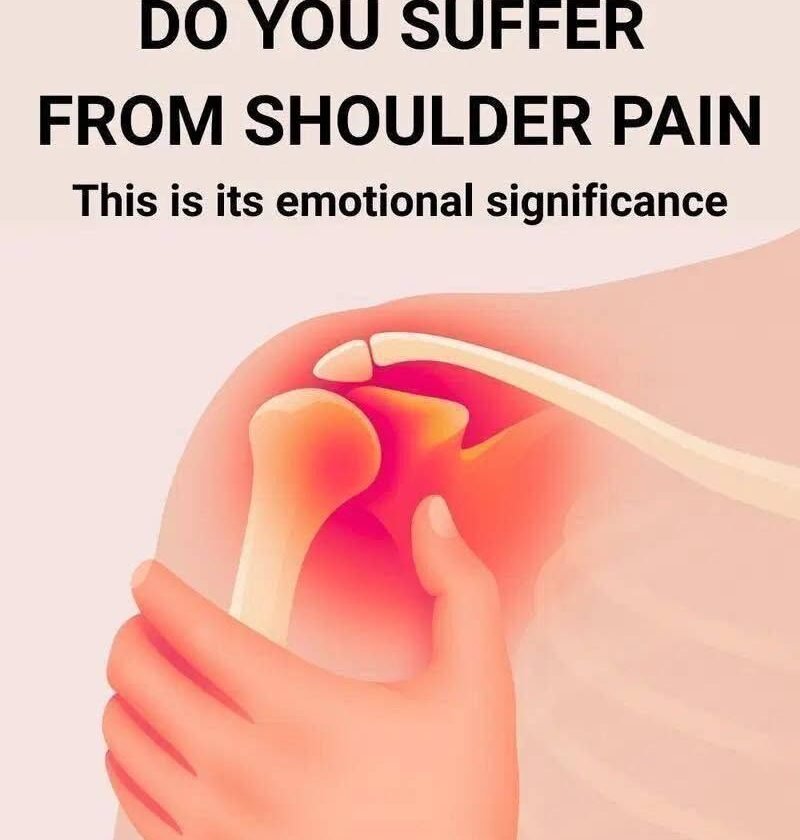
If you’re referring to the viral idea that shoulder pain has a specific emotional meaning, it’s important to separate that from medical causes.
There isn’t good scientific evidence that pain in a particular shoulder reliably means you’re carrying “emotional burdens,” “stress from relationships,” or similar specific emotions.
What shoulder pain can actually be related to
-
Muscle strain or overuse
-
Poor posture or prolonged computer/phone use
-
Rotator cuff problems
-
Tendinitis or bursitis
-
Arthritis
-
A neck problem or pinched nerve, which can cause pain that travels into the shoulder or arm
-
Injury
Stress and anxiety can contribute to muscle tension and make pain feel worse, so there can be a real connection between emotional stress and physical discomfort—but it doesn’t mean the pain has a particular emotional message.
🚨 Seek urgent medical attention if sudden shoulder pain occurs with chest pressure, shortness of breath, sweating, nausea, fainting, or pain spreading to the jaw or arm, because heart problems can sometimes present with shoulder or arm discomfort.
If your shoulder pain has lasted more than a few weeks, keeps returning, or limits your movement, it’s worth having it assessed.