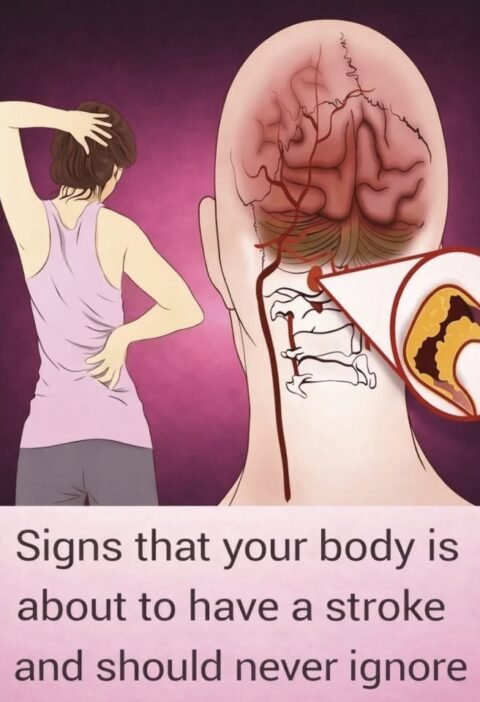
That viral headline leans into typical clickbait formatting, but the underlying premise—that **diet plays a powerful role in supporting healthy blood circulation and preventing dangerous blood clots**—is entirely true.
While no single food acts as a magical cure-all, incorporating specific nutrient-dense foods into your daily routine helps maintain vascular health, reduces chronic inflammation, and naturally supports healthy blood flow.
Here is the complete breakdown of the foods doctors and dietitians recommend for promoting good circulation and preventing clots, along with the science behind them:
—
### 1. Natural Blood-Thinning and Anti-Inflammatory Foods
Certain foods contain natural compounds that gently discourage platelets from clumping together abnormally or help reduce inflammation in the blood vessel walls.
* **Garlic and Onions:** These contain sulfur compounds (likeallicin in garlic) that have been shown in studies to help prevent platelets from sticking together and modestly lower blood pressure.
* **Turmeric:** Curcumin, the active compound in turmeric, is a powerful anti-inflammatory agent. Chronic inflammation damages endothelial tissue (the inner lining of blood vessels), which increases clot risk. Turmeric helps protect this lining.
* **Ginger:** Long used in traditional medicine, ginger contains gingerols and acts as a mild, natural anticoagulant by inhibiting certain clotting factors.
### 2. Berry and Citrus Powerhouses (Rich in Flavonoids)
* **Berries (Blueberries, Blackberries, Raspberries):** Packed with antioxidants called anthocyanins, berries protect blood vessel walls from oxidative stress, improve vascular elasticity, and promote smooth blood flow.
* **Citrus Fruits (Oranges, Grapefruits, Lemons):** High in vitamin C and flavonoid antioxidants, citrus fruits help reduce arterial stiffness and lower blood pressure, making it easier for blood to circulate smoothly.
### 3. Leafy Greens and Nitrate-Rich Vegetables
* **Dark Leafy Greens (Spinach, Kale, Swiss Chard):** Rich in **Vitamin K**, greens are essential for overall blood health, though people taking prescription blood thinners (like Warfarin/Coumadin) need to keep their Vitamin K intake consistent rather than avoiding them entirely.
* **Beets and Beetroot Juice:** Beets are exceptionally high in dietary nitrates, which your body converts into nitric oxide. **Nitric oxide** is a powerful vasodilator—meaning it relaxes and widens your blood vessels, improving circulation and lowering blood pressure.
### 4. Healthy Fats and Omega-3 Fatty Acids
* **Fatty Fish (Salmon, Mackerel, Sardines):** Rich in Omega-3 fatty acids, which actively reduce inflammation, prevent plaque buildup in arteries, and decrease the stickiness of blood platelets.
* **Nuts and Seeds (Walnuts, Chia Seeds, Flaxseeds):** Excellent plant-based sources of omega-3s, fiber, and magnesium, all of which support relaxed, flexible blood vessels.
* **Extra Virgin Olive Oil:** A staple of the heart-healthy Mediterranean diet, olive oil prevents LDL (“bad”) cholesterol from oxidizing and helps maintain healthy endothelial function.
### 5. Hydration: The Simplest “Food” for Circulation
While not a solid food, **water** is vital for preventing blood clots. Dehydration causes blood volume to drop and blood to become more concentrated (viscous), which significantly increases the likelihood of sluggish flow and clot formation. Staying well-hydrated keeps blood moving freely.
—
### Important Medical Note on “Natural Thinners”
If you are already taking prescription anticoagulant or antiplatelet medications (such as Aspirin, Plavix, or Warfarin), consuming very high amounts of foods like garlic, ginger, turmeric, or high-dose vitamin E can amplify their effects and increase your risk of bruising or bleeding. Always check with a doctor before making radical changes to your diet if you have a history of clotting disorders or heart conditions.
Are you looking to improve your overall cardiovascular health, or are you managing a specific circulation concern?