Showing 3,003 Result(s)
Blog

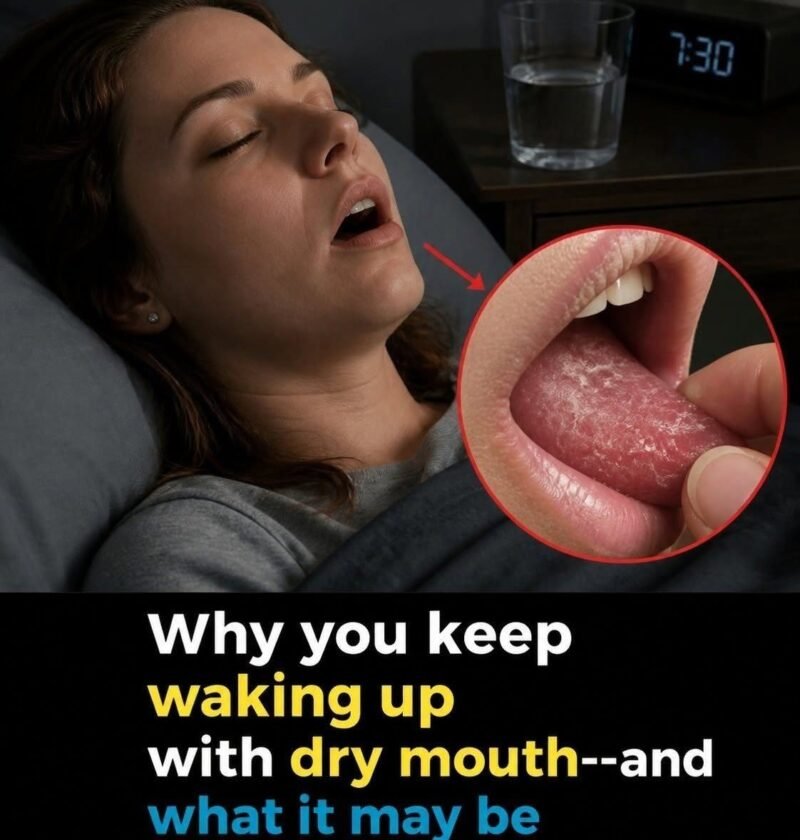
Waking up with a dry, sticky mouth is a very common experience, but it is often your body’s way of signaling that something in your environment, daily habits, or health needs attention. Here are the most common messages your body might be sending when you experience morning dry mouth:1. “I’m Breathing Through My Mouth”The Cause: If your nasal passages are blocked due to allergies, a cold, a deviated septum, or general sinus issues, you naturally resort to mouth breathing while asleep. Because air constantly flows over your tongue and oral tissues all night, it rapidly evaporates your saliva. Snoring and obstructive sleep apnea (OSA) are also heavily linked to chronic mouth breathing at night. 2. “You’re Dehydrated”The Cause: Saliva production naturally slows down while you sleep, but if your overall fluid intake during the day was low, your body simply won’t have enough water to spare for adequate saliva generation. Consuming alcohol or caffeine close to bedtime also acts as a diuretic, pulling moisture from your system and worsening overnight dryness. 3. “Check Your Medication Side Effects”The Cause: Hundreds of prescription and over-the-counter medications list dry mouth (xerostomia) as a primary side effect. Common culprits include antihistamines, decongestants, high blood pressure medications, muscle relaxants, and certain antidepressants or anxiety drugs. 4. “The Bedroom Air is Too Dry”The Cause: Environmental factors play a major role. Sleeping in a room with a heater, air conditioner, or low ambient humidity can strip moisture from the air, drying out your nasal passages, lips, and throat before morning. 5. “An Underlying Health Factor Needs a Look”The Cause: If morning dry mouth is persistent and unaffected by drinking water, it can occasionally point to underlying medical conditions. Unmanaged blood sugar levels (such as in diabetes) or autoimmune disorders that affect moisture-producing glands (such as Sjögren’s syndrome) frequently present with chronic dry mouth. Simple Ways to Find ReliefHydrate smartly: Drink water consistently throughout the day, but avoid chugging massive amounts right before bed to prevent waking up for bathroom trips. Use a humidifier: Running a cool-mist humidifier in your bedroom adds moisture back into the air and protects your throat and airways. Practice nasal strips or rinses: If congestion is forcing you to mouth breathe, saline sprays or nasal strips can help keep your nasal passages open. Avoid evening triggers: Limit alcohol, heavy caffeine, and smoking, especially in the hours leading up to sleep.

Waking up with a dry, sticky mouth is a very common experience, but it is often your body’s way of signaling that something in your environment, daily habits, or health needs attention. Here are the most common messages your body might be sending when you experience morning dry mouth: 1. “I’m Breathing Through My Mouth” …

Blog

6 things at home that reveal a dirty woman: if she doesn’t take care of these things, she doesn’t take care of herself either.

While keeping a home spotless is challenging for anyone—especially with a busy schedule, work, or family life—certain household areas can reflect how someone manages their personal routines, self-care, and overall well-being. Here are 6 common areas or habits around the home that often indicate whether someone is neglecting both their living space and personal self-care: …

Blog

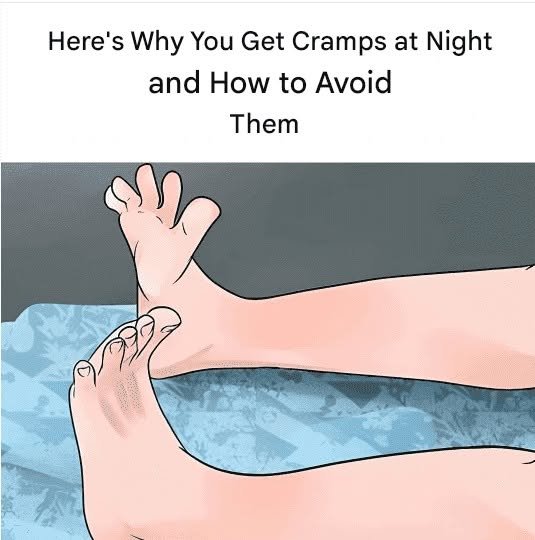
If you mean **why leg cramps happen at night**, common reasons include: – Muscle fatigue or overuse during the day – Dehydration or heavy sweating – Holding a muscle in one position for a long time – Pregnancy or increasing age – Certain medicines or medical conditions Nighttime cramps are often called **nocturnal leg cramps**. They can happen suddenly while you’re asleep and usually affect the calf or foot. If you meant something specific by “this,” send me the image or explain what you’re referring to, and I’ll explain it.

If you mean why leg cramps happen at night, common reasons include: Muscle fatigue or overuse during the day Dehydration or heavy sweating Holding a muscle in one position for a long time Pregnancy or increasing age Certain medicines or medical conditions Nighttime cramps are often called nocturnal leg cramps. They can happen suddenly while …

Blog

The gynecologist explains what happens to the female body when there is a long period of intimacy: Many women are ashamed to admit this.

If you want to turn that into a more accurate, non-sensational health headline, you could use: Health-focused headline What Happens to the Female Body During a Long Period Without Sexual Intimacy? A Gynecologist Explains A long period without sex does not generally cause harmful physical changes to a woman’s body. Some people may notice changes …