Ectomorph, mesomorph, or endomorph? What the science says
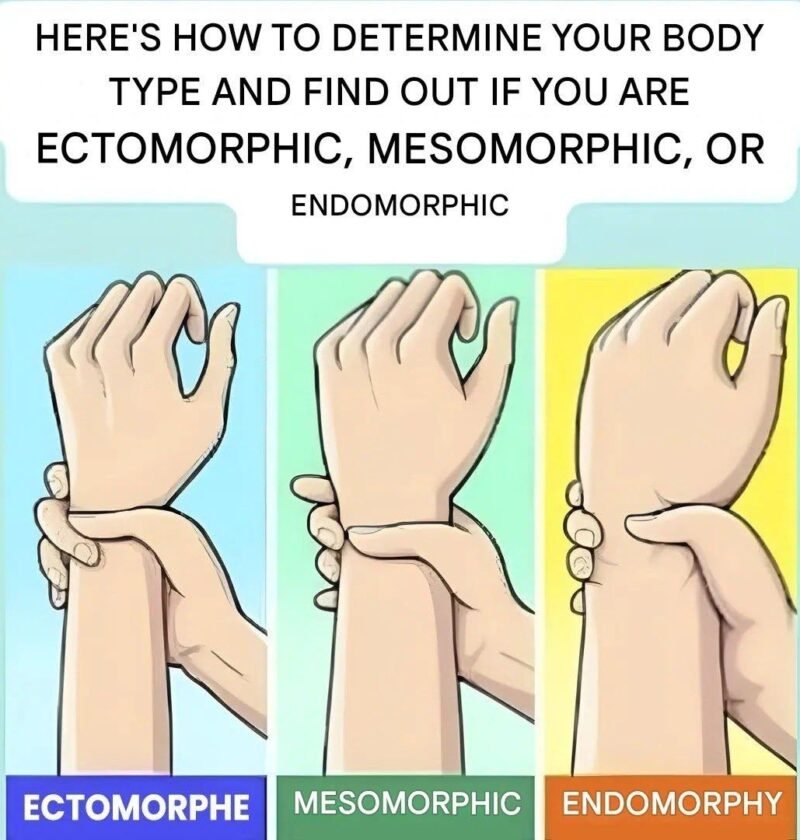
You may have heard that everyone fits into one of three body types: ectomorph, mesomorph, or endomorph. These are called somatotypes, but they aren’t a scientifically reliable way to classify metabolism or determine the best diet and exercise plan.
The traditional descriptions
-
Ectomorph: Often described as naturally lean, with a smaller frame and difficulty gaining weight.
-
Mesomorph: Traditionally described as more muscular or athletic, with relatively easy muscle gain.
-
Endomorph: Traditionally described as having a softer or rounder build and a tendency to gain weight more easily.
Most people don’t fit neatly into one category. Body composition is influenced by genetics, age, hormones, activity, nutrition, sleep, and many other factors.
How to actually make the most of your body
Rather than choosing a diet based on a somatotype:
-
🥗 Eat a balanced diet with adequate protein, vegetables, fruit, whole grains, and healthy fats.
-
🏋️ Do resistance training regularly to build or maintain muscle.
-
🚶 Include aerobic activity and everyday movement.
-
😴 Get adequate sleep and recovery.
-
📈 Track measurable goals—such as strength, waist circumference, body weight, or fitness—rather than trying to fit yourself into a body-type label.
Bottom line: You don’t need to identify as an ectomorph, mesomorph, or endomorph to choose an effective fitness or nutrition plan. Your actual body composition, goals, health, and response to training and nutrition are much more useful guides.