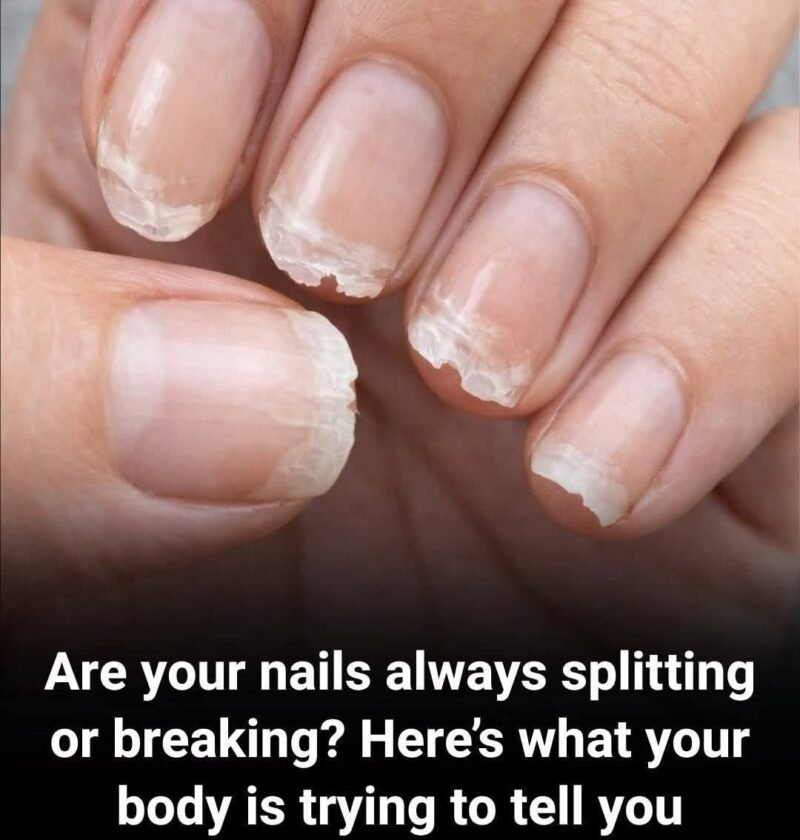
Brittle, peeling, or weak nails that chip and break easily are often blamed entirely on harsh hand soaps, frequent washing, or too many manicures. While external factors certainly play a role, your nails can also act as a physical window into your overall nutritional status and internal health.
Because nail plate cells grow continuously from the matrix under your cuticle, any long-term nutrient deficiency, hormonal shift, or systemic stress gets literally “written” into the structure of your nail as it grows out.
Common Nutritional Deficiencies Linked to Weak Nails
When your body is running low on essential building blocks, non-essential functions like producing thick, resilient keratin for your nails take a backseat.
-
Iron Deficiency (Anemia): Low iron levels (or depleted ferritin stores) are a classic culprit behind weak nails. Severe iron deficiency can cause koilonychia—a condition where the nails become thin, brittle, and concave (spoon-shaped), curving upward at the edges.
-
Biotin (Vitamin B7) and B-Vitamins: Biotin is essential for producing keratin, the structural protein that makes up your nails. While true biotin deficiency is rare, supplementing with it is often recommended to improve nail thickness and reduce splitting.
-
Zinc Deficiency: Zinc is required for cell division and protein synthesis, both of which are vital for rapid nail growth. A lack of zinc can lead to weak, brittle nails accompanied by white spots or bands.
-
Protein Shortages: Since nails are entirely made of protein (keratin), a diet chronically low in quality protein will directly result in weak, slow-growing nails.
-
Dehydration: Just like hair and skin, nails need moisture. Dehydrated nails lose their flexibility, turning dry, brittle, and prone to peeling in layers.
Underlying Health Conditions and Hormones
Sometimes, brittle nails point beyond diet to broader physiological changes:
-
Thyroid Disorders: Both hypothyroidism (underactive thyroid) and hyperthyroidism slow down your metabolism and cellular turnover. This often results in dry, brittle, slow-growing nails that easily crack or separate from the nail bed.
-
Hormonal Shifts: Fluctuations in estrogen—such as those experienced during menopause, postpartum, or with certain birth control changes—can alter nail hydration and strength.
-
Age-Related Changes: Just as our skin thins and loses moisture with age, nails naturally become drier, ridged, and more brittle as we get older due to slower cellular regeneration.
External Factors to Rule Out
Before looking inward, check your daily habits. External damage is frequently the primary cause of nail weakness:
-
Excessive Moisture Exposure: Frequently washing your hands or keeping them submerged in water without gloves causes nails to repeatedly expand and contract, breaking down the bonds between keratin cells and causing peeling.
-
Harsh Chemicals: Frequent use of acetone-based nail polish removers, harsh household cleaning agents, or low-quality acrylics and gels strips natural oils and moisture away.