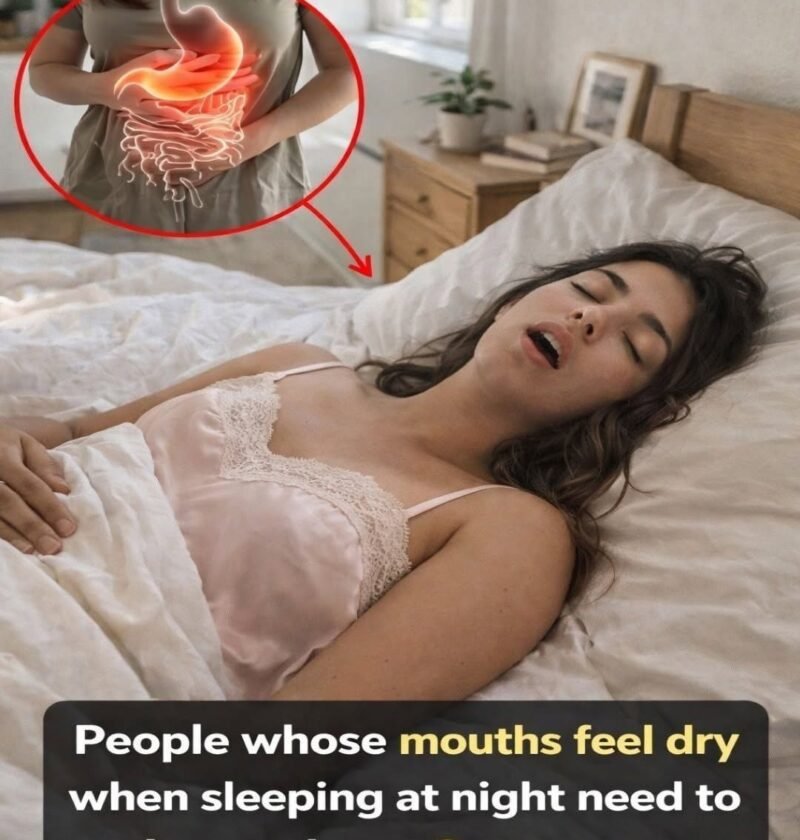
Waking up in the middle of the night or every morning with a mouth that feels like the Sahara desert is more than just an uncomfortable annoyance—it is a clear sign that your body’s natural saliva production has slowed down significantly while you slept.
Saliva is your mouth’s frontline defense system. It washes away food debris, neutralizes plaque acids, protects your tooth enamel, and keeps your oral tissues moist and healthy. When salivary flow drops, your risk of tooth decay, gum inflammation, chronic bad breath, and oral fungal infections (like thrush) rises sharply.
Let’s look past the typical internet quick fixes to examine why dry mouth (xerostomia) happens during sleep, and what you can do to find lasting relief.
Why Does Your Mouth Dry Out at Night?
During sleep, your body naturally decreases saliva production to conserve energy and fluids. However, if you wake up completely parched, one of these common factors is usually at play:
1. Mouth Breathing (The #1 Culprit)
-
What happens: If your nasal passages are blocked due to allergies, a deviated septum, sinus congestion, or sleep apnea, you naturally breathe through your open mouth all night. The constant airflow acts like a blow-dryer on your oral mucosa, evaporating every drop of moisture by morning.
2. Medication Side Effects
-
What happens: Hundreds of common prescription and over-the-counter medications—especially those taken by older adults—list dry mouth as a primary side effect. This includes blood pressure medications (like diuretics and beta-blockers), antihistamines, antidepressants, and anti-anxiety drugs.
3. Dehydration and Evening Habits
-
What happens: Not drinking enough water throughout the day, or consuming alcohol, sugary beverages, or caffeinated drinks close to bedtime, will rapidly deplete your body’s fluid balance and reduce nocturnal saliva flow.
4. Age-Related Salivary Gland Changes
-
What happens: While normal aging doesn’t automatically stop saliva production, older adults are much more likely to take multiple medications and experience underlying systemic conditions that impair the salivary glands.
5. Obstructive Sleep Apnea (OSA)
-
What happens: Intermittent pauses in breathing during sleep force you to gasp and breathe heavily through your mouth, making severe morning dry mouth a very common hallmark of untreated sleep apnea.
Practical, Dentist-Approved Strategies for Relief
If you want to protect your teeth and wake up feeling comfortable, try incorporating these practical strategies into your routine:
-
Clear Your Airways Before Bed: Use a saline nasal spray or a nasal dilator strip if you struggle with congestion. If allergies are the root cause, addressing them with your doctor can help you keep your mouth closed naturally while sleeping.
-
Run a Cool-Mist Humidifier: Placing a humidifier in your bedroom adds moisture back into the air, preventing the ambient air from drying out your airways and oral tissues while you sleep.
-
Keep Water Close By: Keep a glass of water on your nightstand to take small sips if you wake up parched. Avoid sugary or acidic drinks, which can damage enamel in a dry mouth environment.
-
Use Specialized Dry Mouth Products: Over-the-counter artificial saliva sprays, moisturizing gels, and specialty mouthwashes formulated for dry mouth contain enzymes and lubricants that mimic natural saliva and protect your teeth overnight. (Avoid harsh alcohol-based mouthwashes, which dry oral tissues out even further).
-
Chew Xylitol Gum During the Day: Stimulate your salivary glands during daylight hours by chewing sugar-free gum sweetened with xylitol, which also helps prevent cavities.
🩺 When to Consult Your Doctor:If persistent dry mouth is accompanied by chronic fatigue, loud snoring, waking up gasping for air, or difficulty swallowing, mention it to your physician or dentist. It is vital to rule out underlying conditions like sleep apnea or medication interactions that require professional management.