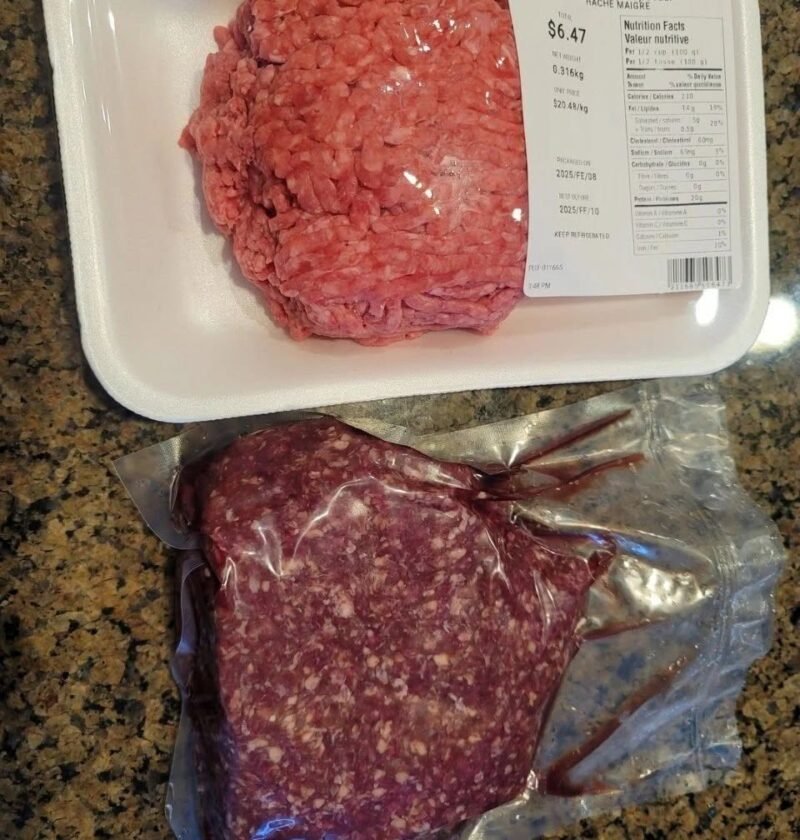
The classic “Don’t get fooled by the supermarkets—they’re selling you meat from…” hook is a staple of viral social media sensationalism. Usually, these posts or videos go on to claim shocking things about mystery meats, expired cuts being repackaged with new dates, or hidden chemical preservatives designed to trick your eyes into thinking grey meat is fresh.
While it is always wise to be an informed, mindful consumer, looking at how supermarkets actually source, handle, and label meat helps separate genuine food safety practices from viral clickbait fear-mongering.
The Reality Behind Supermarket Meat Practices
-
Repackaged Expiration Dates and “Grey” Meat:
-
The Viral Claim: Supermarkets wash expired meat with bleach or chemicals and put new expiration stickers on it.
-
The Reality: While unethical practices can occasionally happen in isolated, poorly managed rogue stores, major supermarkets operate under strict health department regulations and heavy fines. Meat often turns a slightly greyish-brown color in vacuum-sealed packaging simply because it lacks exposure to oxygen (myoglobin), not because it is spoiled. However, reputable butchers and stores rely on smell and touch standards, and state health inspectors routinely audit inventory.
-
-
The “Glue” Meat Myth (Transglutaminase):
-
The Viral Claim: Grocery stores take cheap meat scraps, glue them together with chemical adhesives (“meat glue”), and sell them as premium steaks.
-
The Reality: Meat glue (transglutaminase) is an enzyme used in high-end culinary arts and commercial food processing to bind proteins together (often in formed products like imitation crab or specific sausages). However, food regulations require clear labeling if formed or restructured meat is sold, and standard whole cuts of steak or chicken breasts cannot be artificially glued together without it being blatantly obvious to the consumer upon cooking.
-
-
Injected Solutions (Plumping):
-
The Reality: This isn’t a secret, but it is something to watch out on labels. Some commercial poultry and pork are injected with a solution of saltwater, broths, or phosphates to enhance tenderness and weight (which you pay for by the pound). Checking the ingredient label for “contains up to X% solution” is the best way to avoid buying pumped-up water weight.
-
How to Shop Smart and Choose Quality Meat
If you want complete peace of mind about what’s on your dinner plate, you don’t need to fall for internet conspiracy theories—you can simply adjust your buying habits:
-
Read the Ingredient Labels: For fresh cuts of beef, pork, or lamb, the only ingredient listed should be the meat itself. For chicken, check to ensure it hasn’t been heavily injected with sodium solutions.
-
Support Local Butchers: Building a relationship with a local independent butcher allows you to know exactly where your meat is sourced (often local farms), how it was raised, and when it was processed.
-
Trust Your Senses at Home: The ultimate test isn’t a social media video; it’s your own senses. Fresh meat should have a clean, neutral scent (never sour or ammonia-like), firm texture, and appropriate coloring for its cut.