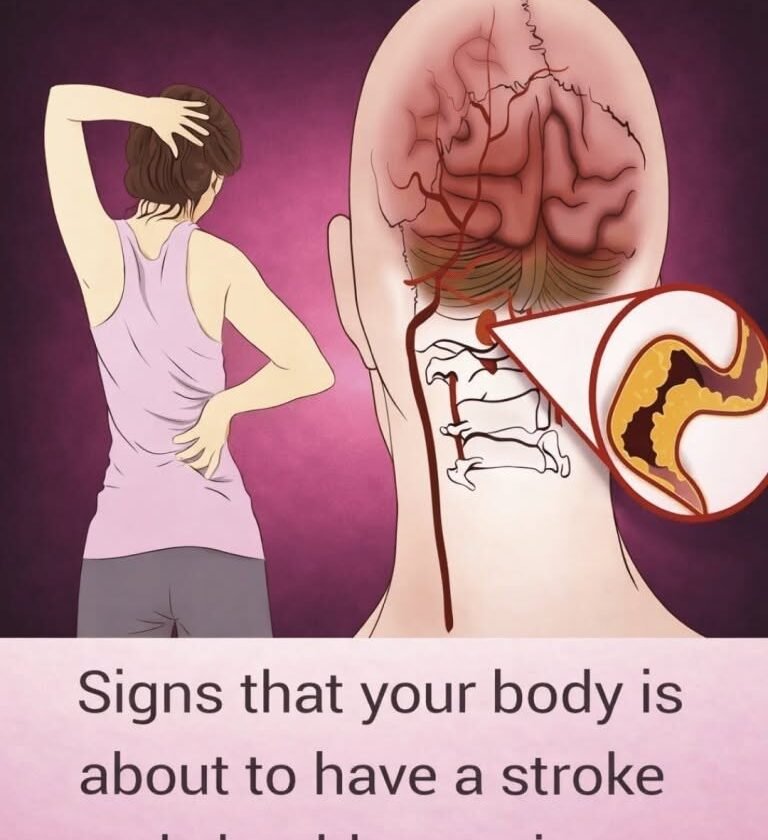
Recognizing the early warning signs of a stroke can quite literally save a life. When a stroke occurs, blood flow to part of the brain is interrupted, starving brain cells of oxygen. Because brain tissue dies rapidly when deprived of blood, every minute counts.
To make recognizing these signs fast and memorable, medical professionals widely use the FAST acronym, along with a few other critical indicators.
The FAST Warning Signs
-
F – Face Drooping: Does one side of the face droop, or is it numb? Ask the person to smile to check for unevenness.
-
A – Arm Weakness: Is one arm weak or numb? Ask the person to raise both arms. Does one drift downward, or is it unable to rise?
-
S – Speech Difficulty: Is their speech slurred, are they unable to speak, or do they sound hard to understand? Ask them to repeat a simple sentence (e.g., “The sky is blue”).
-
T – Time to Call 911 (or Emergency Services): If you observe any of these signs—even if they go away—call emergency services immediately. Note the exact time the symptoms first appeared, as this helps doctors determine treatment options.
6 Additional Critical Warning Signs
Beyond the classic FAST indicators, a stroke can present in other sudden ways depending on which part of the brain is affected:
-
Sudden Confusion: Trouble understanding speech, sudden disorientation, or mental fog.
-
Sudden Trouble Seeing in One or Both Eyes: Sudden blurring, blackened vision, or double vision.
-
Sudden Trouble Walking: Loss of balance, dizziness, unsteadiness, or a sudden lack of coordination.
-
Sudden Severe Headache: An abrupt, intensely severe headache with no known cause, often described as a “thunderclap.”
-
Sudden Numbness or Weakness on One Side: Paralysis or a heavy, unresponsive feeling affecting an entire half of the body (leg, arm, or face).
-
Sudden Dizziness or Vertigo: A sudden, overwhelming spinning sensation, particularly when combined with any of the other neurological signs above.
Why “Wait and See” Is Dangerous
A common and dangerous mistake is waiting to see if symptoms “wear off.” Sometimes, people experience a Transient Ischemic Attack (TIA or mini-stroke) where symptoms resolve quickly, but this is a critical warning sign of a larger stroke ahead. Never wait to see if stroke symptoms improve.
CRITICAL EMERGENCY DIRECTIVE: If you suspect someone is having a stroke—even if the symptoms fluctuate or disappear—call emergency services immediately and get them to the nearest stroke-certified emergency room.
Are you reviewing these signs for general health knowledge, or is this regarding a specific situation you or someone nearby is experiencing right now?