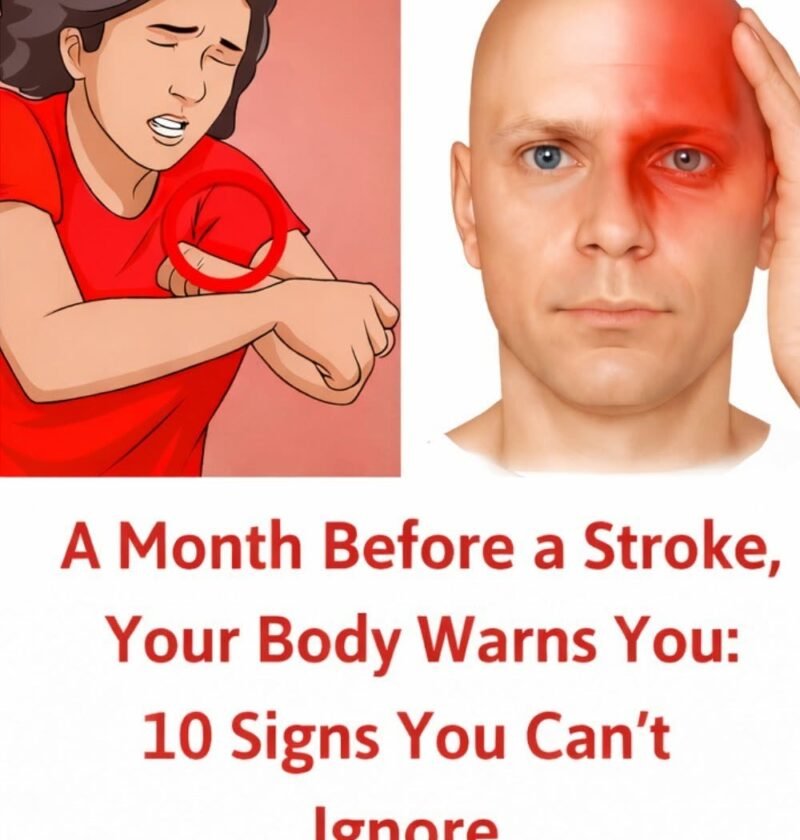
While strokes are widely known for striking suddenly, medical research and clinical observations indicate that many individuals experience subtle warning signs—often weeks or even up to a month in advance. These early flags are frequently tied to temporary reductions in blood flow to the brain, sometimes referred to as Transient Ischemic Attacks (TIAs) or “mini-strokes”.
Recognizing these precursors can provide a critical window for medical intervention. Ten signs that should never be ignored include:
1. Intermittent Numbness or Weakness
-
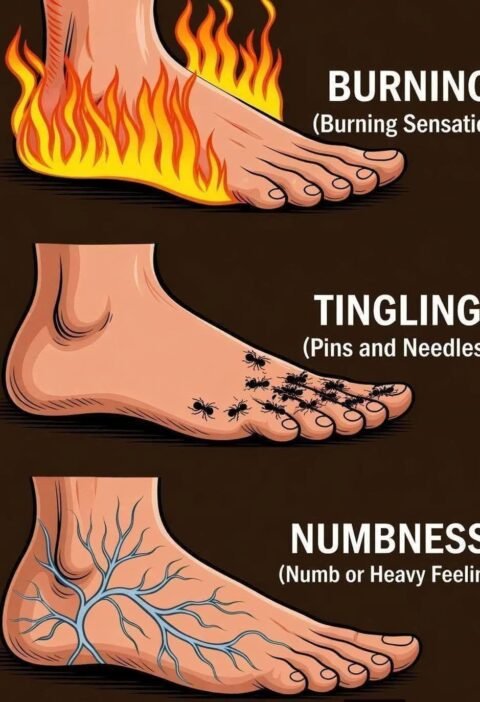
What it looks like: A fleeting tingling sensation, weakness, or a heavy feeling, typically restricted to one side of the body (affecting the face, arm, or leg). You might find yourself accidentally dropping items or struggling to grip objects.
-
Why it happens: Brief, unstable disruptions in blood flow to the areas of the brain controlling motor function.
2. Sudden Speech Difficulties (Aphasia)
-
What it looks like: Brief episodes of slurred speech, trouble finding the right words, or difficulty comprehending what others are saying. Family members might notice that your speech suddenly “sounds different” or confused.
-
Why it happens: Temporary oxygen deprivation in the brain’s language centers.
3. Visual Changes
-
What it looks like: Sudden blurred vision, double vision, or a temporary loss of sight in one or both eyes. It can feel like a shade pulling down over your field of vision.
-
Why it happens: Interrupted blood supply to the visual cortex or the optic nerve.
4. Unexplained, Persistent Headaches
-
What it looks like: A sudden, unusually severe headache that bears no resemblance to your normal headache patterns, often striking without a clear trigger and failing to respond to over-the-counter pain medications.
-
Why it happens: Can indicate pressure shifts or minor vascular events inside the skull.
5. Dizziness and Loss of Balance
-
What it looksLike: Sudden bouts of vertigo, lightheadedness, unsteadiness while walking, or unexplained falls. You might feel as though the room is spinning or find it difficult to walk in a straight line.
-
Why it happens: Reduced blood flow to the cerebellum, the brain structure responsible for balance and coordination.
6. Short-Term Memory Problems & Cognitive Fog
-
What it looks like: Struggling to recall recent conversations, forgetting common words, or occasionally getting disoriented in familiar surroundings.
-
Why it happens: The brain struggling to function efficiently under chronic, low-level oxygen stress.
7. Unusual, Overwhelming Fatigue
-
What it looks like: Extreme exhaustion that persists despite getting adequate sleep. Basic, everyday tasks feel daunting, and you experience a heavy, mental lethargy.
-
Why it happens: The body signaling that internal systems—particularly cardiovascular and neurological pathways—are under severe strain.
8. Sudden Mood and Behavioral Shifts
-
What it looks like: Uncharacteristic irritability, sudden bouts of anxiety, depression, or emotional instability.
-
Why it happens: Neurological stress affecting the brain’s emotional regulation centers.
9. Difficulty Swallowing (Dysphagia)
-
What it looks like: Brief instances of choking on food or liquids, or feeling like food is getting stuck in your throat.
-
Why it happens: Minor compromise to the cranial nerves responsible for throat and mouth muscle control.
10. Brief Loss or Change of Consciousness
-
What it looks like: Fleeting episodes of feeling faint, “spacing out,” or sudden mild confusion that resolves on its own.
Crucial Note on TIAs (Mini-Strokes):Symptoms that resolve entirely within a few minutes or hours are classic signs of a TIA. According to health authorities, roughly 1 in 3 people who experience a TIA will go on to have a major stroke, often within a few weeks or months.
What to Do If You Spot These Signs
-
For early, recurring symptoms (weeks before): Schedule an urgent appointment with your primary care physician or a neurologist. Diagnostic tools like a brain MRI/CT scan, a carotid ultrasound, or an echocardiogram can pinpoint hidden vascular issues.
-
For an active stroke (Right Now): Always remember the BE-FAST acronym:
-
Balance loss
-
Eyesight changes
-
Face drooping
-
Arm weakness
-
Speech difficulty
-
Time to call emergency services immediately
-