High cholesterol is famously known as a “silent condition” because it typically produces no symptoms at all in its early and intermediate stages. A person can have dangerously high LDL (“bad”) cholesterol for years without feeling any physical pain or discomfort.
However, when high cholesterol goes unmanaged for a long time, it contributes to atherosclerosis—the buildup of fatty plaque inside the arteries. When these plaques significantly narrow the blood vessels and restrict blood flow to vital organs, distinct pain and warning signs can emerge.
If persistent pain occurs in specific parts of the body, it often signals that cardiovascular complications are developing. Three critical body areas that warrant immediate medical evaluation include:
1. The Chest (Angina or Heart Distress)
-
What it feels like: A tight, squeezing, heavy, or pressing sensation in the center or left side of the chest. It may feel like a heavy weight is resting on your chest, sometimes radiating to the shoulder, arm, or back. It often occurs during physical exertion or emotional stress and subsides with rest.
-
Why it happens: This is known as angina. It occurs when coronary arteries narrowed by cholesterol plaque cannot supply enough oxygen-rich blood to the heart muscle.
-
Action: Never ignore chest pain. It is a major red flag for coronary artery disease and can be a precursor to a heart attack. Seek immediate medical evaluation.
2. The Legs and Calves (Peripheral Artery Disease)
-
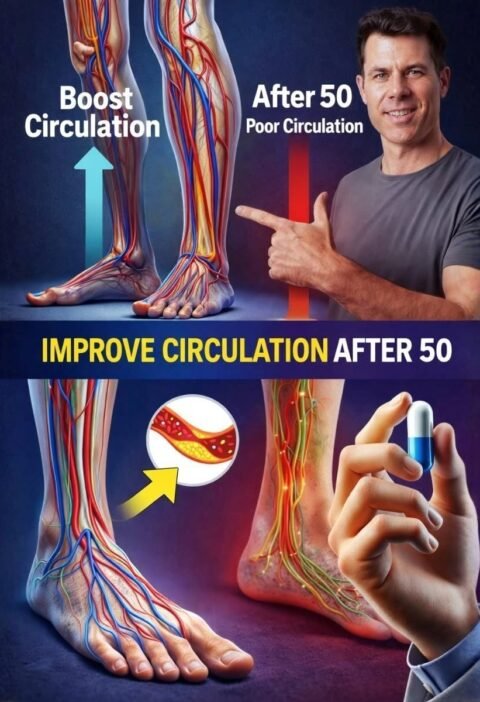
What it feels like: A cramping, aching, heaviness, tiredness, or sharp pain in the legs, calves, thighs, or buttocks that consistently triggers while walking or exercising and goes away shortly after resting (a condition called claudication).
-
Why it happens: Plaque buildup is not exclusive to the heart; it can affect systemic circulation. Peripheral Artery Disease (PAD) occurs when narrowed arteries restrict blood flow to the lower extremities, depriving active leg muscles of adequate oxygen.
-
Action: Persistent exercise-related leg pain should be evaluated by a doctor, as PAD significantly increases the overall risk of heart attacks and strokes.
3. The Jaw, Neck, Upper Back, or Arms (Radiating Ischemic Pain)
-
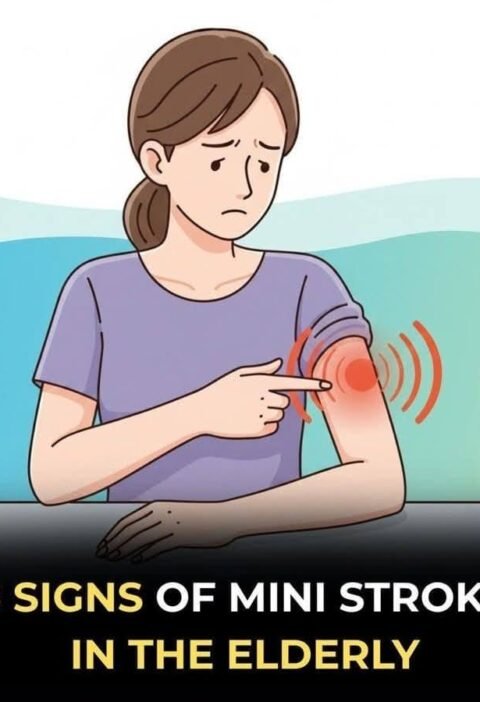
What it feels like: A dull, persistent ache, tightness, or pressure radiating into the lower jaw, teeth, neck, upper back, or down one or both arms (frequently the left arm).
-
Why it happens: Cardiac nerves share overlapping neurological pathways with the upper body. When the heart is starved of oxygen due to blocked arteries, the brain can misinterpret or “refer” the pain signal, making it feel like it is coming from the jaw, neck, or back rather than the chest.
-
Action: Unexplained, recurring pain or tightness in these areas—especially if it accompanies physical activity, shortness of breath, or cold sweats—requires urgent medical screening.
The Takeaway
While these localized pains can sometimes stem from musculoskeletal issues (like muscle strain or arthritis), they can also be the body’s way of signaling advanced vascular restriction.
Because high cholesterol itself causes no physical symptoms, waiting for pain to appear is a risky strategy. Regular blood tests (a standard lipid profile) are the only reliable way to catch high cholesterol early—long before it ever has a chance to impact your chest, legs, or heart.