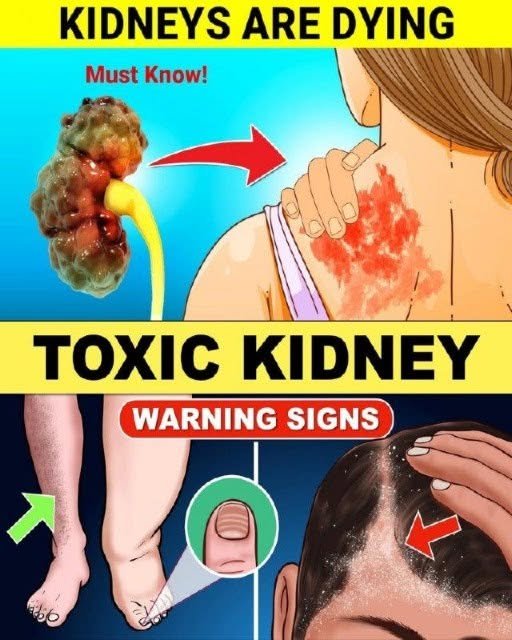
Headlines or videos highlighting warning signs of kidney failure and tests to avoid dialysis point to a critical health reality: chronic kidney disease (CKD) often progresses silently until advanced stages, making early recognition and proactive management vital.
Understanding what these warning signs mean and which diagnostic tests actually matter can help catch issues long before dialysis ever enters the picture.
Understanding Kidney Warning Signs
When kidney function declines significantly, toxins (like urea) and excess fluids build up in the bloodstream—a state that triggers distinct systemic signals:
-
Changes in Urination: This can include waking up multiple times during the night to urinate (nocturia), or noticing that urine is foamy or bubbly (which often indicates protein leaking through the filters, known as proteinuria).
-
Swelling (Edema): Failing kidneys cannot effectively remove extra sodium and fluid, leading to puffiness around the eyes in the morning and swollen ankles, feet, or hands by evening.
-
Persistent Fatigue: Healthy kidneys make a hormone called erythropoietin (EPO), which tells the body to produce oxygen-carrying red blood cells. When kidney function drops, EPO falls, leading to anemia and deep, unrelenting exhaustion.
-
Shortness of Breath: This can happen due to fluid accumulation in the lungs (pulmonary congestion) or secondary to anemia.
-
Skin Issues: Severe, unremitting itching and dry skin often occur due to imbalances in phosphorus and calcium and waste buildup.
-
Nausea and Metallic Taste: A buildup of waste products (uremia) can cause morning nausea, a loss of appetite, an aversion to meats, and a strange metallic taste in the mouth.
-
Muscle Cramps: Electrolyte imbalances, particularly involving calcium, phosphorus, or potassium, frequently trigger painful nighttime muscle spasms, especially in the legs.
-
Difficulty Concentrating (“Brain Fog”): Toxin accumulation can subtly affect neurological function, making it harder to focus or remember things.
-
High Blood Pressure: Kidneys play a major role in regulating blood pressure; when they are damaged, hypertension often worsens or becomes harder to control—creating a dangerous cycle of ongoing vascular damage.
Key Tests to Monitor and Protect Kidney Health
The phrase “tests to avoid dialysis” usually refers to catching kidney disease early through routine screening, allowing doctors to intervene with medications and lifestyle changes that halt progression. The primary evaluations include:
-
Serum Creatinine and eGFR (Blood Test): Creatinine is a waste product from muscle breakdown. Doctors use your blood creatinine level, alongside your age and sex, to calculate your estimated Glomerular Filtration Rate (eGFR). This score tells you roughly how well your kidneys are filtering blood.
-
Urine Albumin-to-Creatinine Ratio (UACR): This urine test checks specifically for albumin, a type of protein. Finding microscopic amounts of protein in the urine is often the earliest red flag of kidney stress, appearing long before eGFR numbers drop.
-
Blood Pressure Monitoring: Because hypertension is both a primary cause and a major consequence of kidney disease, keeping strict tabs on blood pressure is essential.
-
Blood Sugar (HbA1c): Since unmanaged diabetes is the leading cause of kidney failure, routine glucose monitoring is a cornerstone of kidney protection.
Protecting Your Kidneys Early
If you are at risk due to high blood pressure, diabetes, a family history of kidney disease, or regular use of nonsteroidal anti-inflammatory drugs (NSAIDs like ibuprofen), simple preventive steps—like optimizing blood sugar, keeping blood pressure tightly controlled, staying well-hydrated, and avoiding overuse of pain relievers—go a long way toward preserving kidney function.
Are you looking into these symptoms for a specific health concern, or trying to understand how to monitor your kidney function with your doctor?
[For a visual breakdown of symptoms that warrant a medical check, you can watch this overview of kidney disease warning signs.]
This video provides a helpful summary of common physical changes linked to declining kidney health and what to discuss with a healthcare provider.