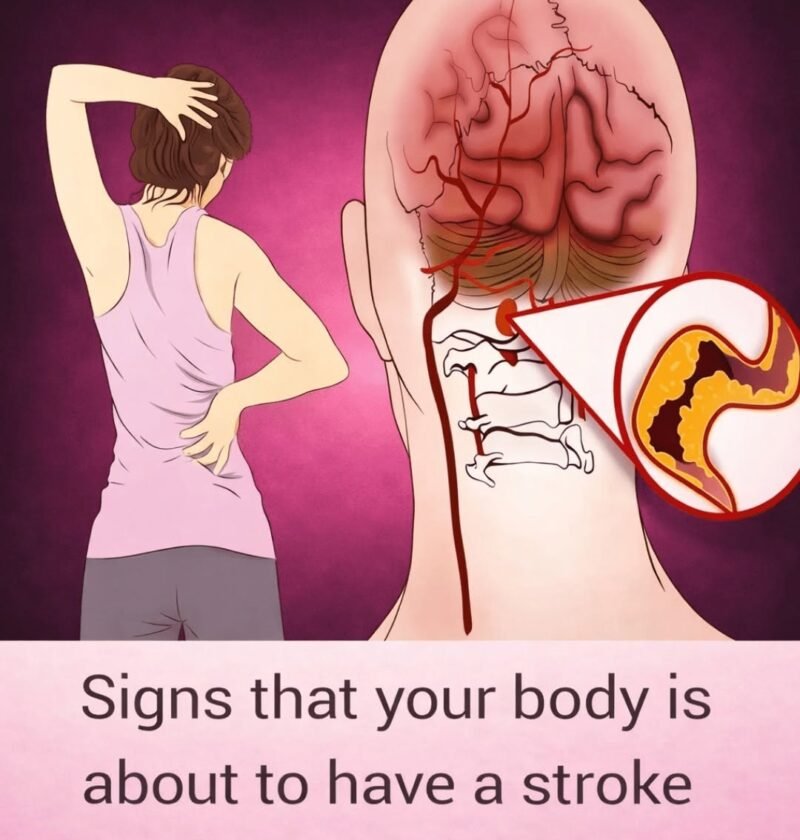
When a stroke strikes, time is brain. Every minute that blood flow is blocked to a region of the brain, millions of neurons are deprived of oxygen and nutrients. Knowing how to spot the early warning signs can mean the difference between full recovery and permanent disability.
While emergency medical teams use the popular B.E.F.A.S.T. acronym to catch the most common symptoms, a stroke can manifest in several distinct ways depending on which area of the brain is affected.
Here are 10 critical warning signs of a stroke that everyone should recognize:
The Core B.E.F.A.S.T. Indicators
1. Sudden Loss of Balance, Coordination, or Dizziness (B)
-
What it looks like: A sudden, overwhelming loss of balance, unsteadiness on the feet, or severe dizziness that makes walking straight impossible, often originating from disruption in the brainstem or cerebellum.
2. Sudden Vision Changes in One or Both Eyes (E)
-
What it looks like: Sudden blurring, double vision, partial loss of sight, or a sudden “blackout” in one eye that cannot be blinked away.
3. Facial Drooping or Numbness (F)
-
What it looks like: One side of the face suddenly drops or feels stiff. If you ask the person to smile, the smile will appear uneven or lopsided.
4. Sudden Arm or Leg Weakness (A)
-
What it looks like: Sudden weakness, numbness, or inability to lift one arm or leg. If asked to close their eyes and hold both arms out straight, one arm will drift downward uncontrollably.
5. Slurred Speech or Difficulty Understanding (S)
-
What it looks like: Speech that sounds slurred, garbled, or completely nonsensical. Alternatively, the person may struggle to find words or look blankly confused when you speak to them.
Additional Critical Warning Signs
6. Sudden, Severe “Thunderclap” Headache
-
What it looks like: A blinding, excruciating headache that hits with absolute maximum intensity out of nowhere—often described as the “worst headache of my life”—which can signal a hemorrhagic stroke (bleeding in the brain).
7. Sudden Confusion or Disorientation
-
What it looksLike: An abrupt shift in mental state where a person suddenly does not know where they are, what day it is, or fails to recognize familiar people.
8. Sudden Numbness or “Pins and Needles” on One Side
-
What it looks like: A sudden loss of sensation affecting an entire vertical half of the body—such as the right arm, right leg, and right side of the torso simultaneously.
9. Sudden Memory Lapses or Cognitive Fog
-
What it looks like: An abrupt inability to recall recent events, follow a simple train of thought, or process standard instructions.
10. Sudden Difficulty Swallowing (Dysphagia)
-
What it looks like: An unexpected struggle or choking sensation when trying to swallow saliva, water, or food, caused by sudden impairment of the cranial nerves controlling throat muscles.
The Golden Rule: Time is Critical (T)
If you observe even a single one of these symptoms appearing suddenly, do not wait to see if it passes. Note the exact time the symptoms started, and call emergency services immediately. Quick intervention with clot-busting medications or specialized surgical retrieval can dramatically minimize long-term damage