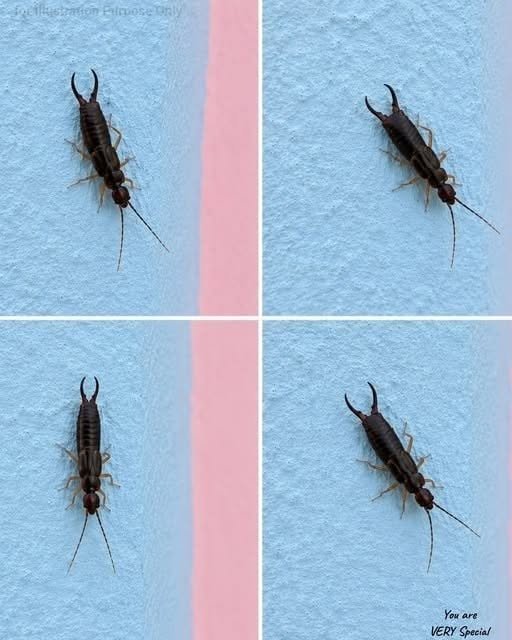
Those classic clickbait social media posts love to use shadowy, panic-inducing insect photos paired with “see more” to make you think your house is moments away from collapsing. While finding an unexpected bug indoors can certainly be startling, insects are almost always responding to basic environmental cues rather than serving as an apocalyptic omen.
Different household insects point to very different household conditions. Here is what common indoor pests are actually trying to tell you about your home:
1. Silverfish or Springtails (Moisture and Humidity)
-
What they look like: Silverfish are small, silvery, teardrop-shaped insects that scuttle rapidly across baseboards or bathroom floors. Springtails are tiny, jumping bugs often found near sinks or damp window sills.
-
What they mean: They thrive exclusively in damp, humid environments. Finding them is a clear sign of hidden moisture, poor ventilation, a slow plumbing leak, or high indoor humidity in spaces like bathrooms, basements, or crawlspaces.
2. Grain Weevils or Pantry Beetles (Expired Food Storage)
-
What they look like: Tiny brown or black beetles crawling inside flour, rice, oatmeal, or pet food containers.
-
What they mean: They didn’t march in from outside—they were likely brought into your home already inside the packaging as microscopic eggs. Finding them simply means it’s time to audit your pantry, throw out compromised dry goods, and store future grains in airtight glass or plastic containers.
3. Drain Flies (Organic Sludge in Pipes)
-
What they look like: Tiny, fuzzy, moth-like flies hovering near shower drains, kitchen sinks, or utility basins.
-
What they mean: They breed in the thin layer of organic slime and hair buildup lining the inside of your drain pipes. Seeing them is a prompt to clean out your traps with a stiff brush, boiling water, or a biological drain cleaner rather than harsh chemical
4. Carpet Beetles (Natural Fibers and Dust)
-
What they look like: Small, oval beetles with patterned shells, or their fuzzy, caterpillar-like larvae.
-
What they mean: The larvae feed on natural animal fibers—such as wool, silk, feathers, leather, and pet hair—as well as accumulated dust bunnies in dark corners. Their presence is a reminder to vacuum deeply, move furniture periodically, and wash stored woolens.
The Realistic Action Plan
When you spot an unfamiliar insect indoors, the goal isn’t panic—it’s detective work:
-
Check the Environment: Is the area damp? Is there an open food source? Is it near an unsealed window or door gap?
-
Seal and Clean: Fix minor moisture leaks, keep food in sealed containers, and maintain regular sweeping and vacuuming.
-
Identify First: If you ever spot an insect you truly can’t identify (especially wood-boring pests like termites or certain ants), snapping a clear photo and checking with a local extension office or pest professional is much safer than relying on dramatic internet warnings.
Did you recently spot a specific type of bug in your home, or are you just brushing up on common household pest clues?