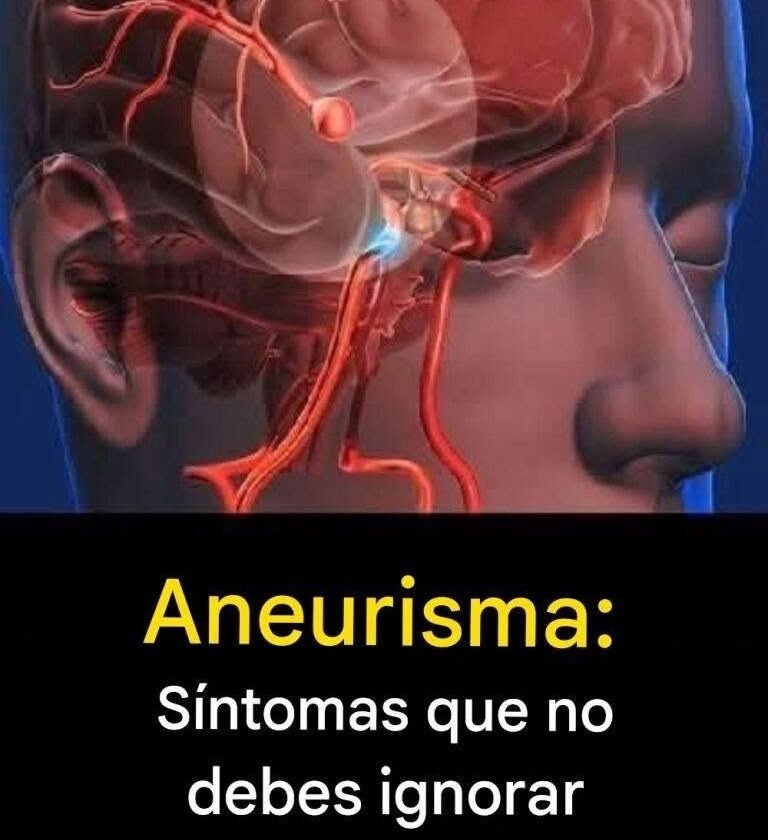
When viral health articles warn about an “aneurysm: signs you shouldn’t ignore,” they are touching on a terrifying and high-stakes medical emergency. Because a brain (cerebral) or aortic aneurysm can develop silently over years without symptoms before suddenly rupturing, it occupies a massive space in public health anxiety.
To separate genuine clinical red flags from panic-inducing clickbait, it is essential to understand what an aneurysm actually is, how it behaves before rupture versus during a rupture, and which symptoms require an immediate emergency room visit.
Here is the clinical reality behind aneurysms, their true warning signs, and what you need to know:
What is an Aneurysm?
An aneurysm is a localized, balloon-like bulge or weakness in the wall of an artery.
-
Why It Happens: As blood pumps through the artery, constant pressure pushes against the weakened section, causing it to stretch out over time like a thin-skinned bubble on a bicycle tire.
-
The Danger: If the wall becomes too thin, it can burst (rupture), causing severe internal bleeding or a hemorrhagic stroke.
Unruptured Aneurysms: Do They Cause Symptoms?
Most small, unruptured aneurysms do not cause any symptoms at all. People can live with them for decades without knowing they exist, often discovering them incidentally during an MRI or CT scan done for an unrelated reason.
However, a growing or unusually large unruptured aneurysm can occasionally press on surrounding brain tissue or nerves, causing warning signs:
-
The “Sentinel Headache”: A sudden, unusual, localized headache that feels different from your normal headaches, often described as a steady, throbbing ache behind one eye or in a specific spot.
-
Vision Changes: Sudden double vision, blurred vision, or drooping of one eyelid (if the aneurysm presses on the cranial nerves controlling eye movement).
-
Numbness or Weakness: A localized weakness or tingling on one side of the face or body.
The True Emergency: Signs of an Aneurysm Rupture
When an aneurysm bursts, it is a catastrophic medical emergency. The symptoms depend entirely on where the aneurysm is located:
1. Ruptured Brain (Cerebral) Aneurysm
-
The “Thunderclap” Headache: The hallmark symptom of a ruptured brain aneurysm is a headache of unimaginable severity—often described by patients as “the worst headache of my life” that strikes instantly, like a sudden clap of thunder or being hit in the head with a baseball bat.
-
Rapidly Declining Consciousness: Sudden nausea, vomiting, dizziness, confusion, sensitivity to light (photophobia), a stiff neck, or sudden loss of consciousness.
2. Ruptured Aortic Aneurysm (Abdominal or Thoracic)
-
Sudden, Excruciating Pain: A tearing, ripping, or sharp, stabbing pain in the center of the chest (for thoracic aortic aneurysms) or deep in the lower back and abdomen (for abdominal aortic aneurysms) that radiates through to the back.
-
Signs of Shock: Sudden profound dizziness, cold sweats, a rapid drop in blood pressure, and fainting as internal bleeding depletes circulating blood volume.
Risk Factors You Can Control
While you cannot change genetic predispositions, the two leading modifiable risk factors for the formation and rupture of aneurysms are uncontrolled high blood pressure and cigarette smoking. Both damage arterial walls over time, making them stiffer and more prone to ballooning. Keeping your blood pressure in a healthy range and avoiding tobacco are the single most effective ways to protect your vascular system.
Emergency Note: If you or someone near you experiences a sudden “thunderclap” headache of unmatched severity, or sudden tearing chest/back pain accompanied by dizziness and confusion, call 911 or rush to the nearest emergency room immediately. Do not wait to see if it passes.
Are you looking into aneurysm risks for general health awareness, or is there a specific symptom or family history on your mind today?